






by Billy Boey . on 26/02/2026 ...
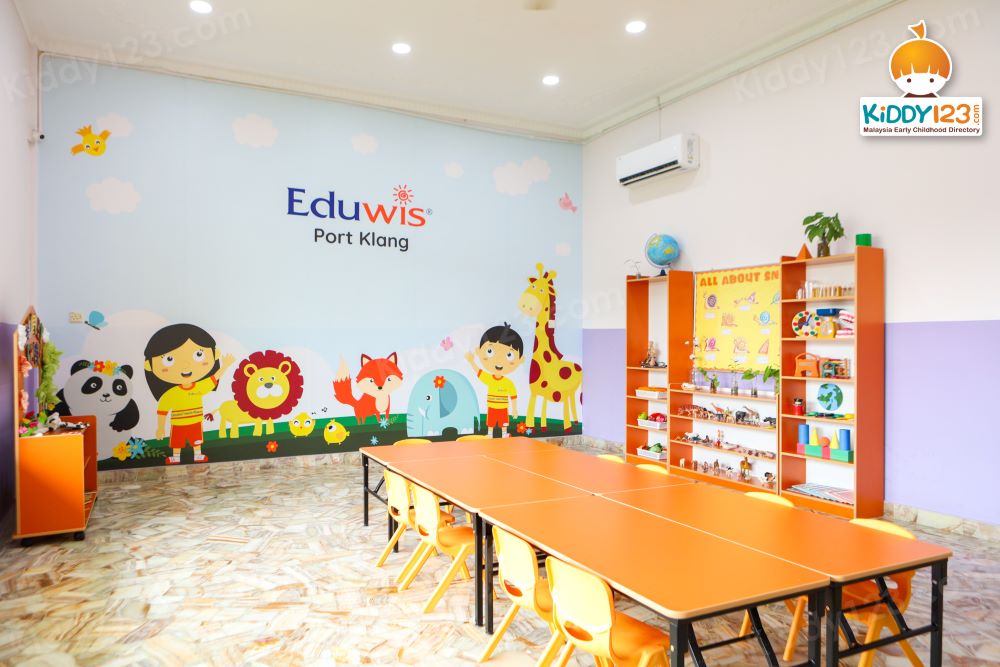
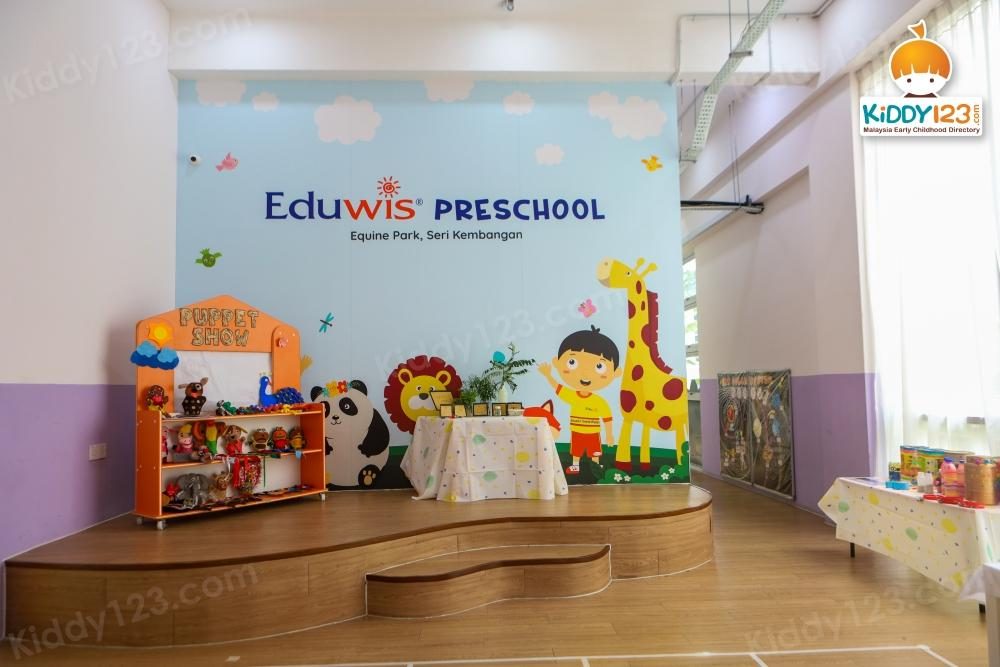
In a time when early childhood education is crowded with buzzwords – sustainability, innovation, holistic learning – Eduwis stands apart by doing something far more revolutionary: it transforms education at its roots. Not through slogans or surface-level programmes, but through pedagogical transformation and sustainable living as daily practice.
With over 90 centres nationwide, Eduwis is often recognised as one of Malaysia’s most established preschool brands. Yet its true significance lies not in its footprint, but in its method. Eduwis is not simply a preschool chain; it is a progressive organisation, one that has deliberately chosen to grow with quality, ethics, and human development firmly at its core.
Founded in 1987 by visionary educator Ms. Amanda Tan, Eduwis was built on a belief that education should shape human beings before it chases academic outcomes. Nearly four decades on, that belief has evolved into a coherent educational philosophy that aligns deeply with the United Nations’ Sustainable Development Goals (SDGs), particularly those centred on education, sustainability, well-being, equality, peace and compassion.
Many schools speak of interdisciplinary learning, linking subjects together to create relevance. Eduwis goes further. Its approach is transdisciplinary, transcending decisively from rigid, subject-based teaching towards learning that mirrors real life.
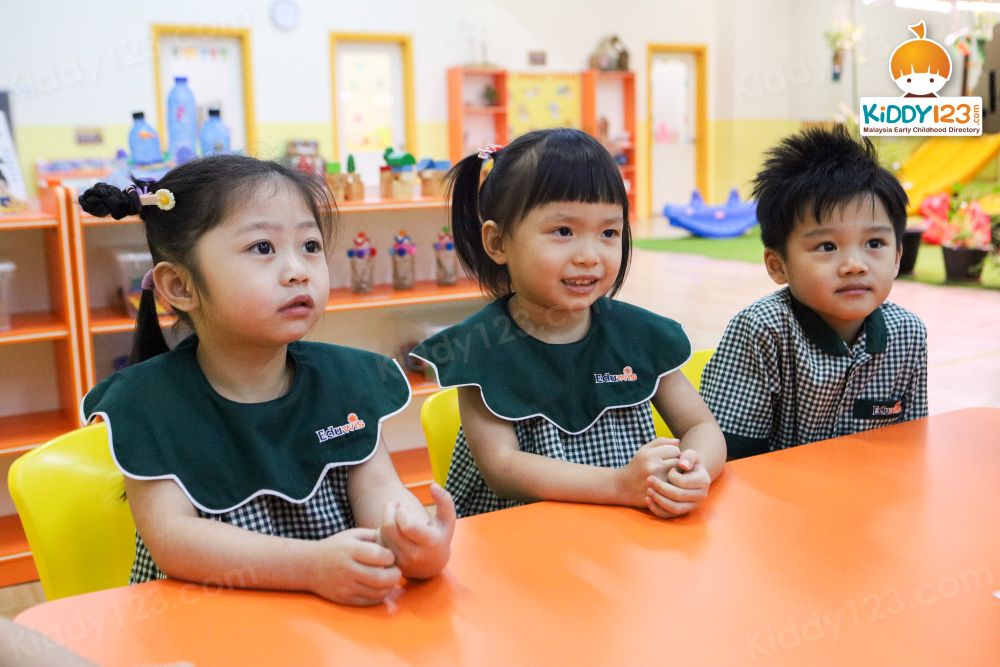
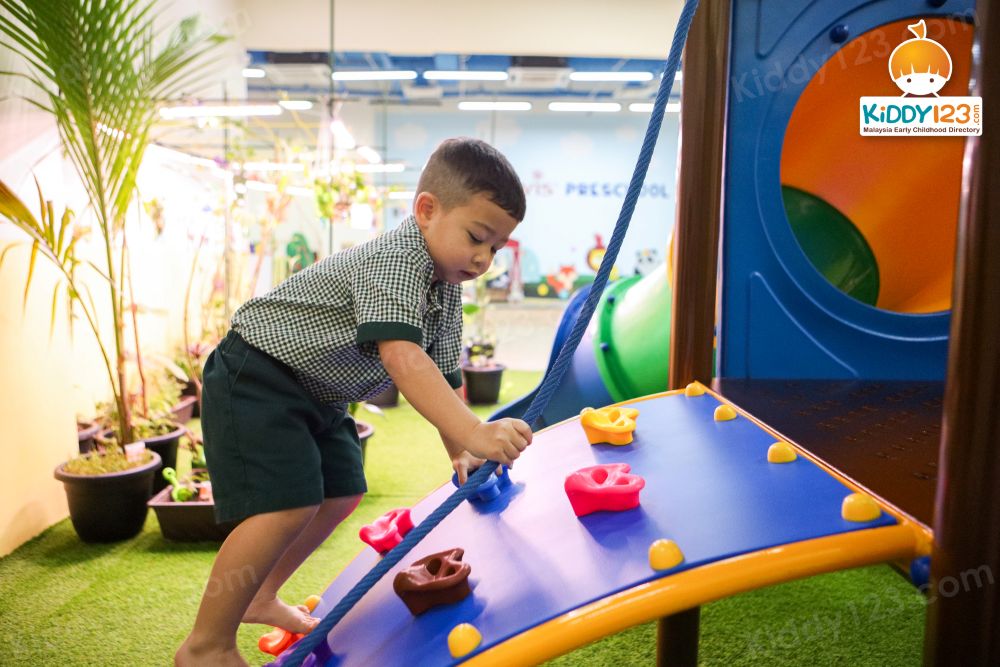
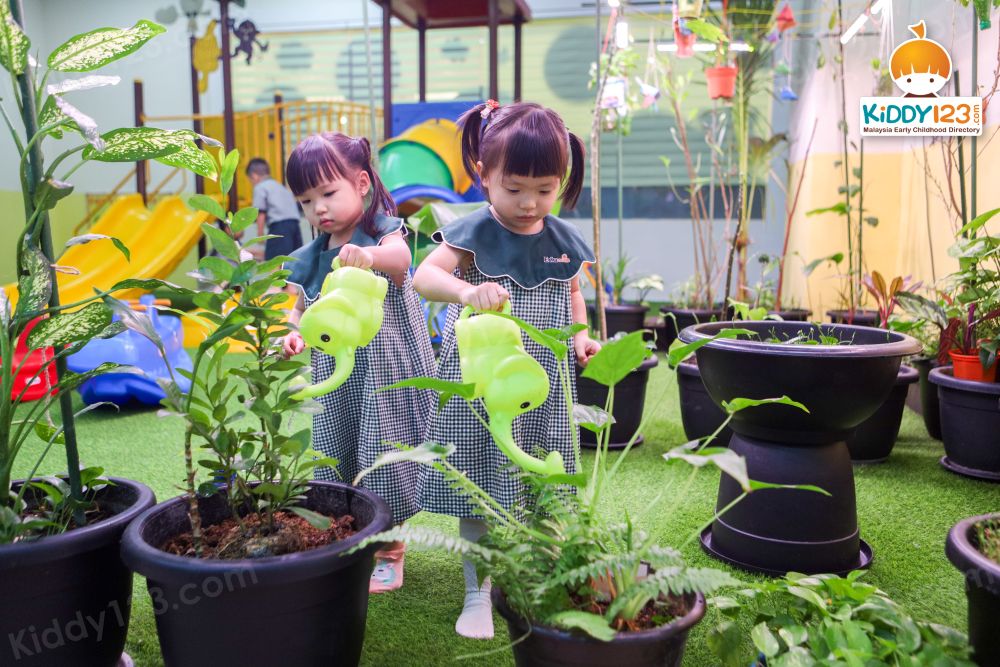
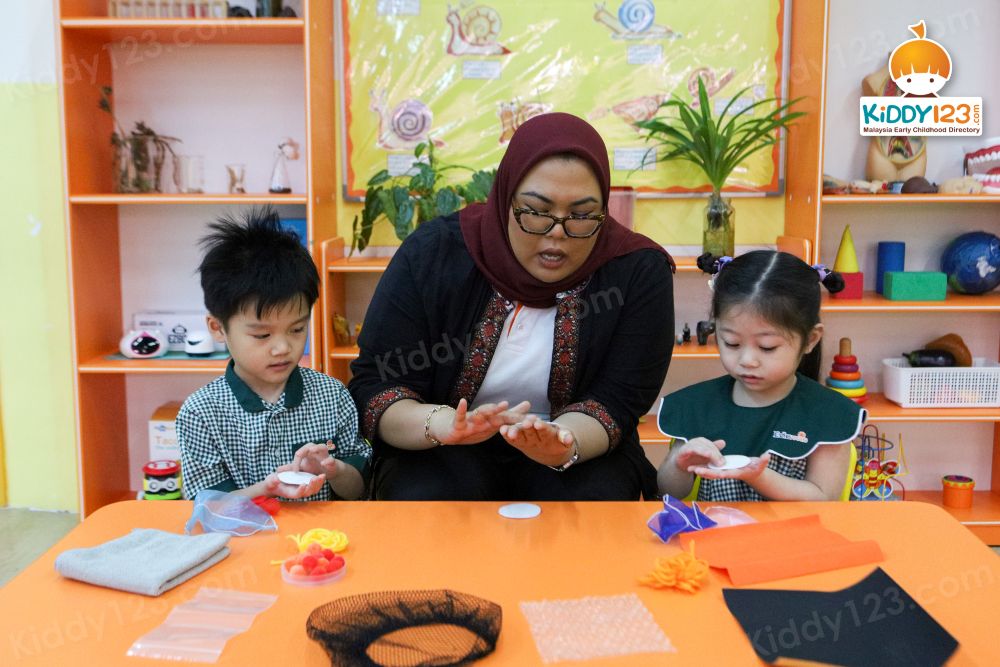
At Eduwis, learning does not sit neatly under labels like “science”, “language”, or “moral studies”. Instead, children engage in experiences where theory, practice, soft skills, values, emotions, and real-world context intersect naturally. A gardening project becomes a lesson in science, responsibility, cooperation, language, ethics, and care for the environment, all at once.
“Education should reflect how life works,” shares Amanda Tan. “Life is not divided into subjects, so learning shouldn’t be either.”
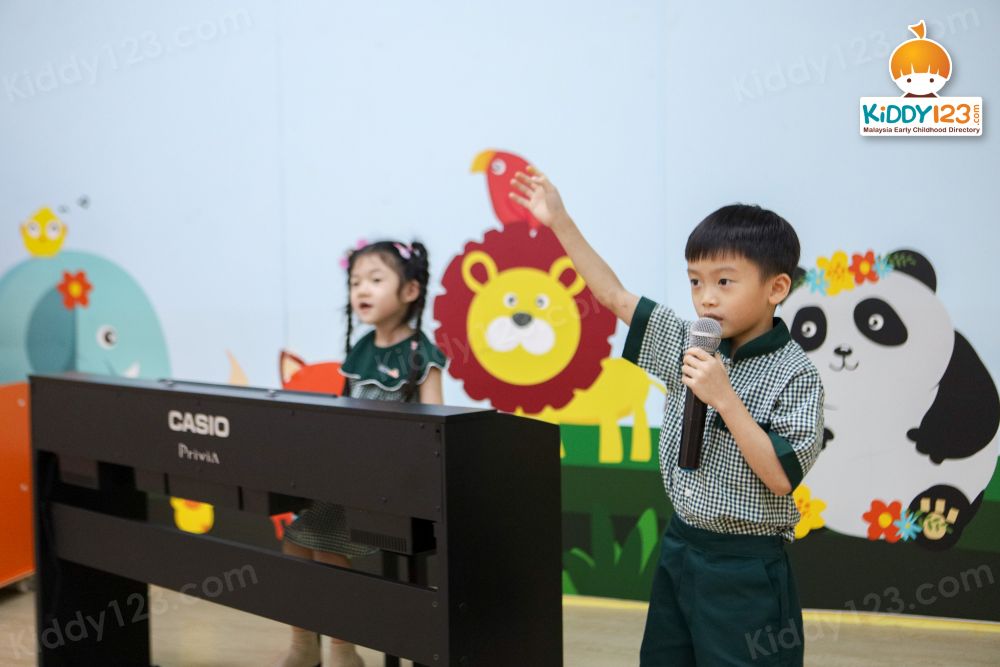
This transdisciplinary philosophy is informed by the wisdom of eight educational giants – Erik Erikson, Friedrich Froebel, Loris Malaguzzi, Maria Montessori, Jean Piaget, Shinichi Suzuki, Lev Vygotsky, and Confucius – not as rigid frameworks, but as living, evolving principles. With more than 1,600 experiential activities annually, children are guided to think critically, communicate confidently, and act with empathy.
This is SDG 4: Quality Education in its truest sense, education that is inclusive, meaningful, and transformative, rather than accelerated or exam-driven.
All this while, Eduwis naturally fulfils SDG 12 (Responsible Consumption and Production), SDG 13 (Climate Action), SDG 15 (Life on Land), and even SDG 14 (Life Below Water) through their lessons and living values.
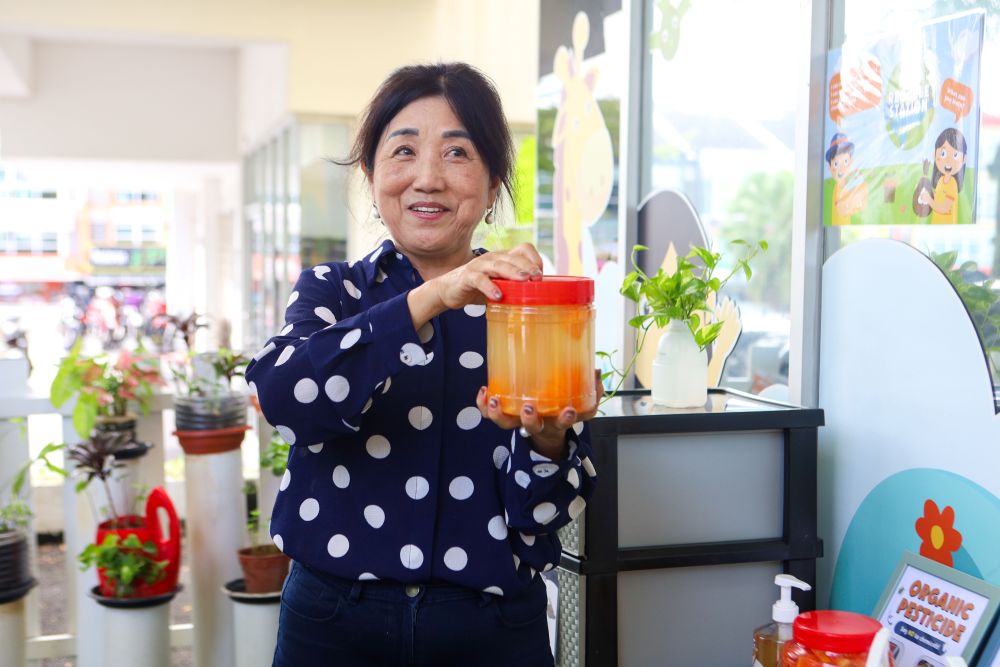
At Eduwis, sustainability is not a topic taught during a special week. It is a lived experience, woven quietly and consistently into everyday life. Children practise sustainability through daily habits: a zero food waste culture, composting, gardening, reusing and repurposing materials, and understanding where food comes from. Costumes are reused, borrowed, and shared. Materials are repurposed creatively. Even clothing becomes a lesson in responsibility rather than consumption.
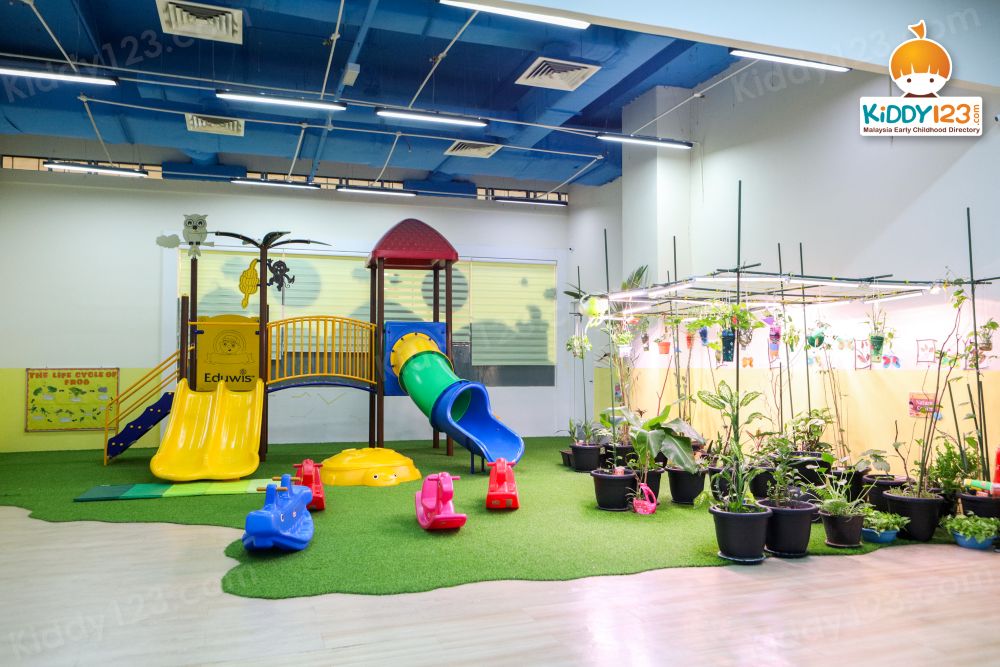
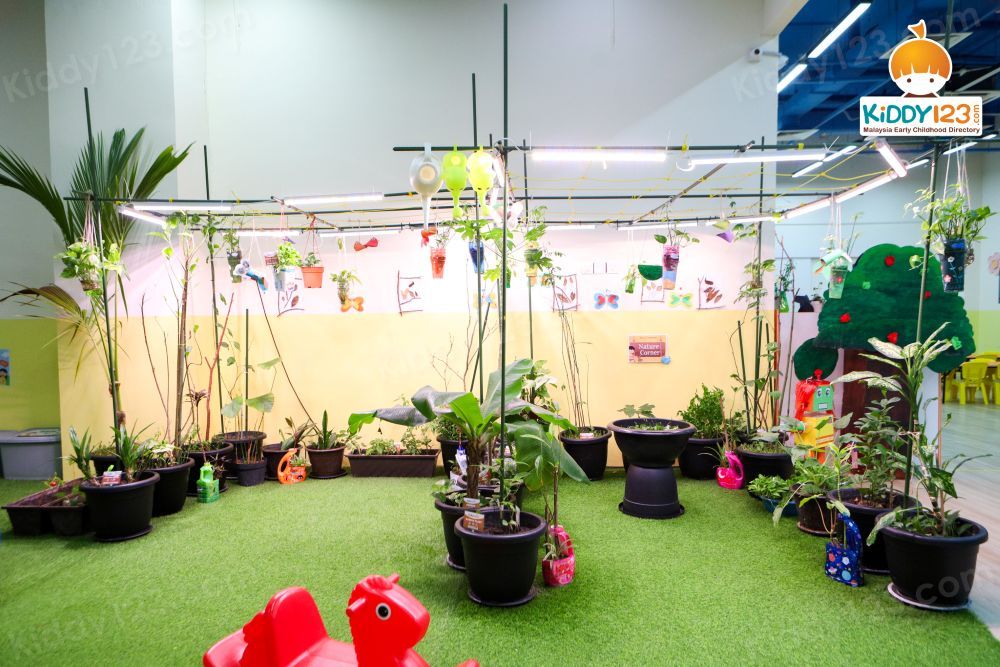
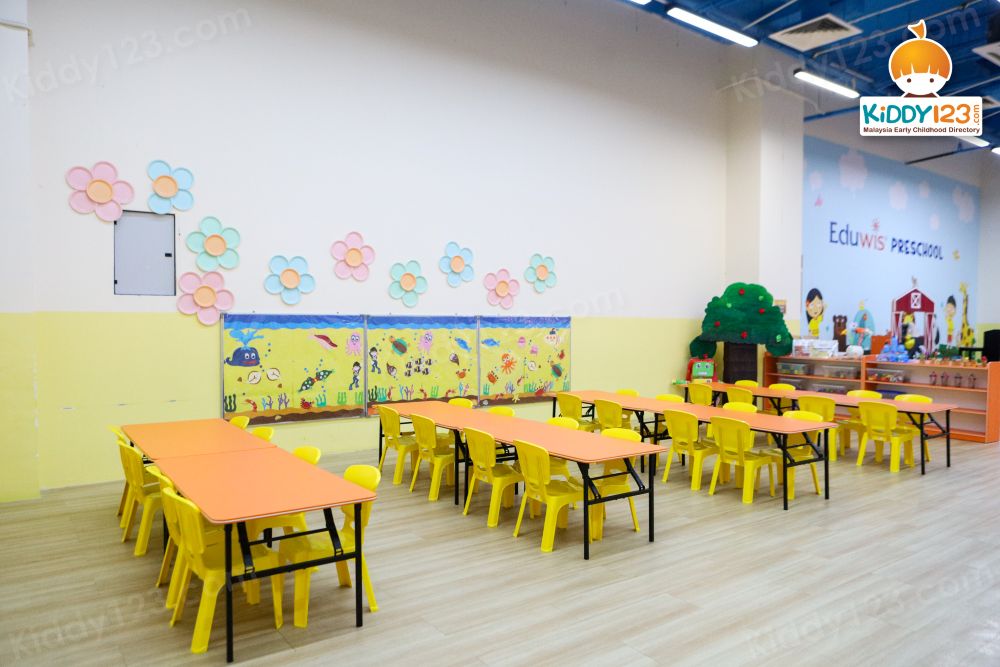
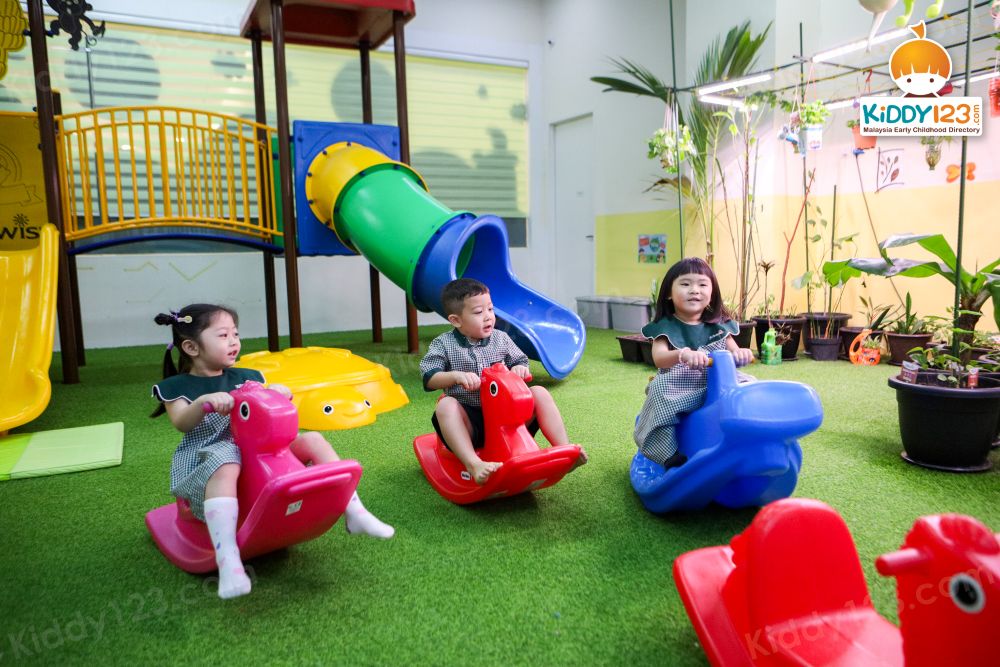
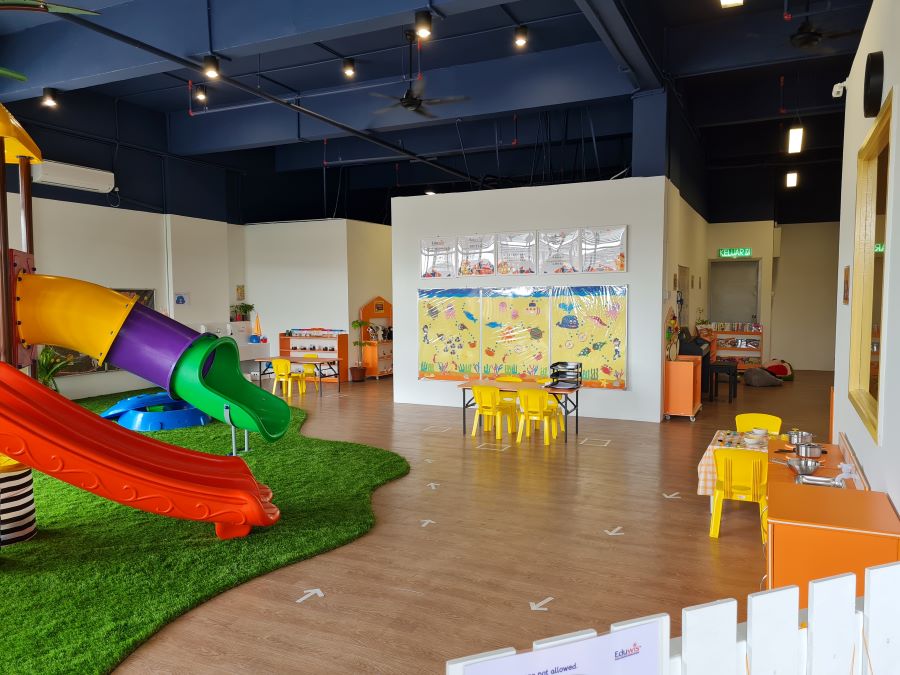
What makes Eduwis particularly distinctive is its ability to adapt sustainability to urban realities. Many centres operate in shoplot environments, yet sustainability is never abandoned. Instead, Eduwis innovates by creating indoor gardens supported by UV lighting, allowing children to grow plants, understand soil, and observe life cycles even without outdoor land.
“We don’t just teach children what sustainability means,” Amanda explains. “We help them live it, in ways they can understand and practise.”
Environmental learning extends beyond school walls through thoughtfully designed collaborations with organisations such as World Wide Fund for Nature (WWF). Projects like bee conservation and marine life awareness follow a meaningful learning cycle: preparation before the experience, engagement during it, and reflection afterwards through drawing, storytelling, drama, and discussion. This ensures sustainability is internalised.
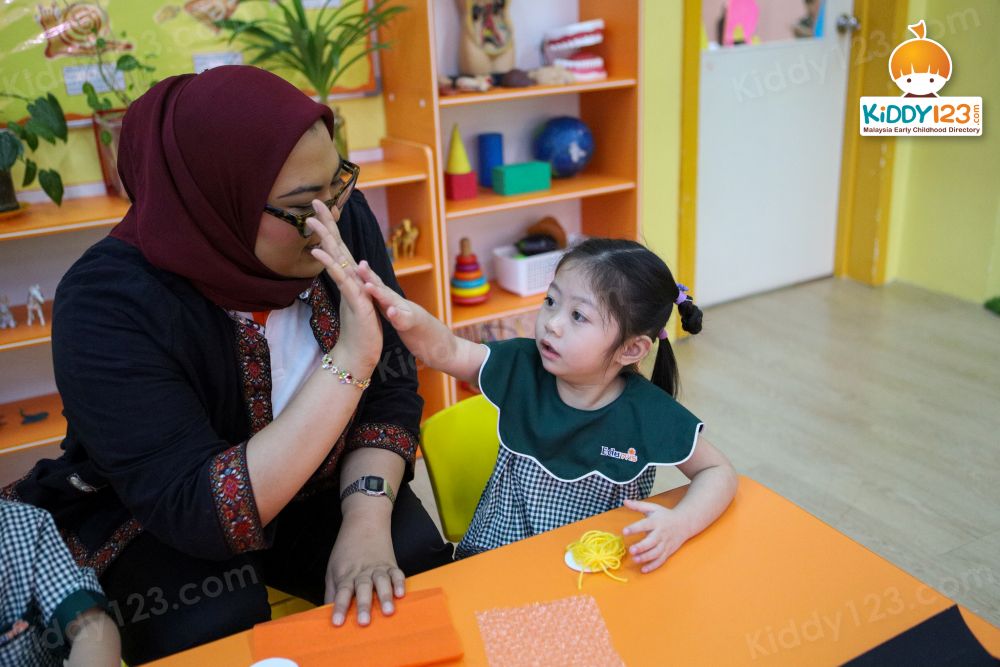
If children are the heart of Eduwis, teachers are its backbone. One of Eduwis’ most defining and courageous commitments is its uncompromising focus on teacher quality.
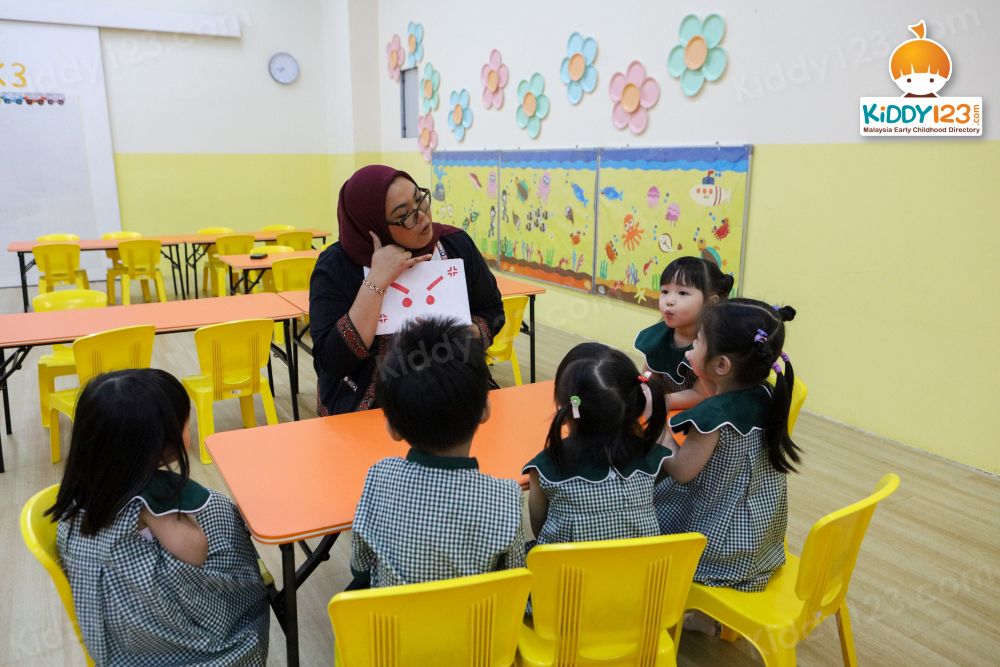
Teacher training at Eduwis is compulsory, continuous, and deeply practice-based. Monthly professional development sessions go far beyond theory, focusing instead on child development, classroom realities, emotional intelligence, ethics, and reflective practice.
“A diploma or degree does not automatically prepare someone for the classroom,” Amanda states candidly. “Higher education institutions must do better. Teaching young children requires understanding children as human beings, not just delivering content.”
Eduwis deliberately fills the gap left by universities and colleges, nurturing teachers to become lifelong learners and better human beings. This commitment has tangible consequences: expansion is slowed when quality is at risk, underperforming franchisees are discontinued, and consistency across centres is prioritised above scale.
It is a rare stance in a growth-driven industry, and one that speaks volumes about Eduwis’ integrity. In doing so, Eduwis contributes meaningfully to SDG 16: Peace, Justice, and Strong Institutions, recognising that strong education systems are built on principled educators.
At Eduwis, experiential learning is not about photo opportunities or occasional outings. It is a structured, intentional process.
Every excursion begins with preparation; children learn what to expect, ask questions, and build context. Experiences are purpose-driven, whether visiting farms, conservation sites, or community services. Learning continues after returning to school through reflection, creative expression, and dialogue. Assessment is based on experience and understanding, not worksheets.
Incursions are equally intentional, involving real partners such as WWF representatives, police officers, ambulance teams, dentists, and community professionals. These encounters connect children to society in meaningful, age-appropriate ways.
As one guiding belief puts it:
At Eduwis, learning does not end when the bus returns to school.
Eduwis places strong emphasis on emotional well-being, inclusivity, and moral development, aligning naturally with SDG 3 (Good Health and Well-being), SDG 5 (Gender Equality), and SDG 10 (Reduced Inequalities).
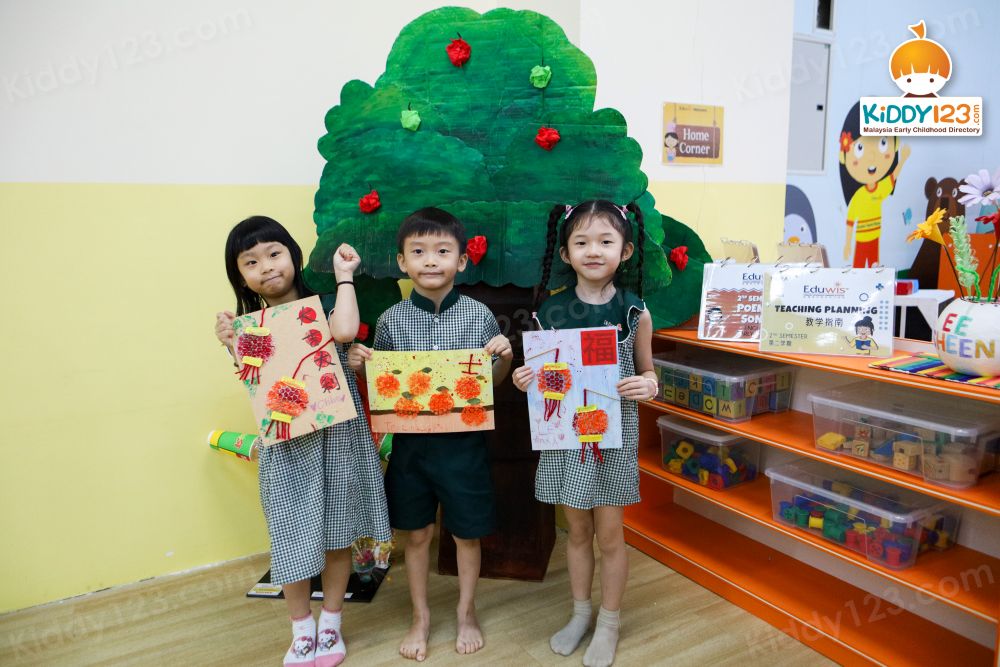
Cultural celebrations are approached with depth rather than spectacle. Children learn the meaning behind traditions, values, and histories, fostering respect and understanding in a multicultural society. Parents are active contributors, not passive spectators, strengthening school-home partnerships.
Confucian values of compassion, integrity, justice, and respect are woven gently into daily interactions, teaching children that character comes before achievement. These early lessons lay the foundation for social harmony and peaceful communities.
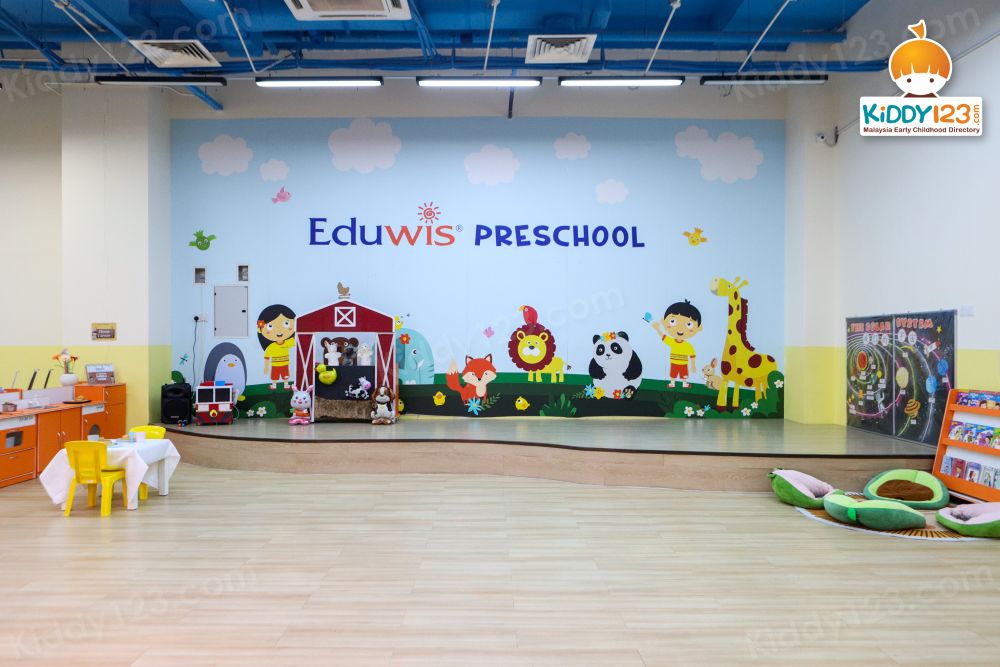
In today’s urban landscape, many children grow up surrounded by buildings, screens, and busy schedules, with limited access to nature. Eduwis’ Garden in the City concept brings nature back into children’s daily lives, even within shopping malls. Through thoughtfully designed indoor and small-space gardens, children experience planting, caring, and observing growth firsthand, helping modern families ensure their children stay connected to nature despite city living.
More than simply enhancing early childhood education, Eduwis is shaping a new way forward, one rooted in purposeful learning, everyday sustainability, strong teacher development, and a deep respect for each child’s growth. As Amanda reflects, “We are preparing children for life, and for the kind of world we hope they will help build.” In a fast-changing world driven by trends, Eduwis remains anchored in what truly matters: nurturing confident, compassionate, and responsible individuals from the very beginning, giving parents a place where their children can grow into the archetype of tomorrow.
While all school information provided on this website has been presented with due care, Kiddy123.com is not accountable for school licensing issues. This is not within our control, and under no circumstances shall Kiddy123 be held liable for any damages arising from the use of the information on this website. Before making any decisions based on the information contained here, we strongly recommend scheduling a school visit to determine which is the best fit for your child.
Contact: Eduwis Education
No. 1 Malaysia Early Childhood Directory. We help parents to find preschools, enrichment programs, and more!