






by Billy Boey . on 22/01/2026 ...
Helping your child take their first steps into a preschool can feel like steering a ship through fog. There’s so many to choose, yet so hard to settled. You want the right school to build the foundation for who they’ll become; curious, confident, kind, and capable. These first five years shape more than reading or counting; they build the architecture of the brain, emotional resilience, and the habits of lifelong learning.
In Malaysia’s diverse early education landscape, parents are spoilt for choice, yet, facing much uncertainties. So, which preschool is “the one” for your child? This guide blends expert insight with practical wisdom to help you make an informed, confident choice.
By age five, a child’s brain forms more than 90% of its adult size. These years aren’t just about play, they’re a critical window for building neural pathways, language, self-regulation, and empathy.
High-quality early education provides experiences that boost all areas of development; cognitive, social, emotional, and physical. According to UNICEF and Malaysia’s Ministry of Education, children who attend quality preschools demonstrate stronger school readiness, problem-solving ability, and emotional well-being compared to those who do not.
But “quality” isn’t one-size-fits-all. The best preschool is one that aligns with your child’s temperament, your family’s values, and a philosophy that encourages exploration and growth.
Taska: Caters to children aged 0–4 years, regulated by the Department of Social Welfare (Jabatan Kebajikan Masyarakat).
Tadika: For ages 4–6, under the purview of the Ministry of Education, following the Preschool Curriculum (KP 2026).
Beyond these official frameworks, many private and international centres blend global educational philosophies. Understanding these approaches helps you see what resonates with your child’s personality and your goals as parents.
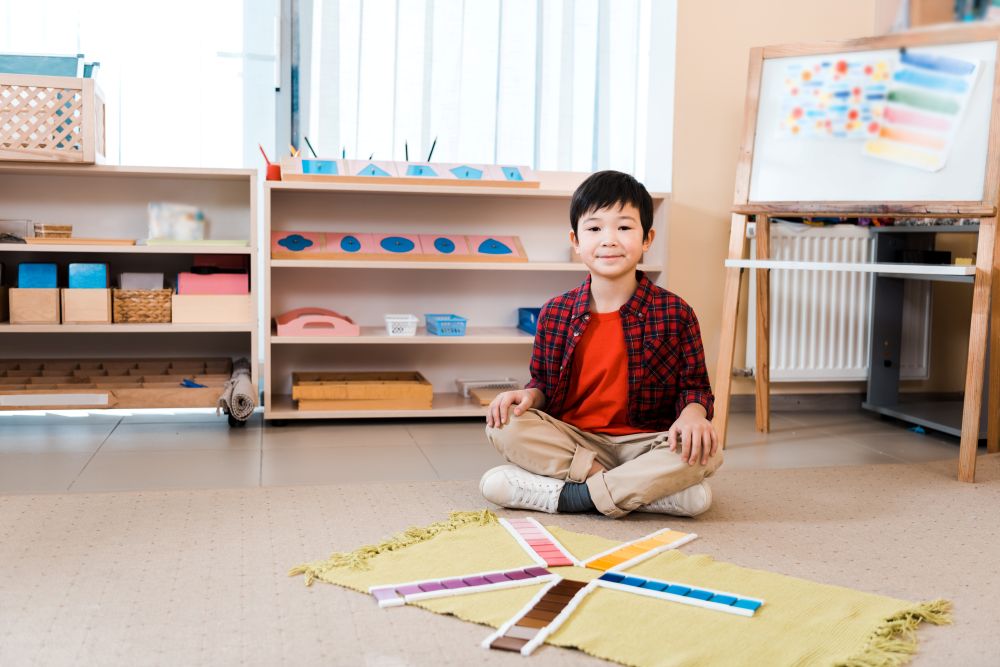
Developed by Dr. Maria Montessori, this approach promotes independence, focus, and hands-on learning. Children explore tactile materials at their own pace under gentle teacher guidance. Many Malaysian Montessori schools blend moral and multilingual learning with practical life skills.
Best for: Independent, focused learners who enjoy self-directed exploration.
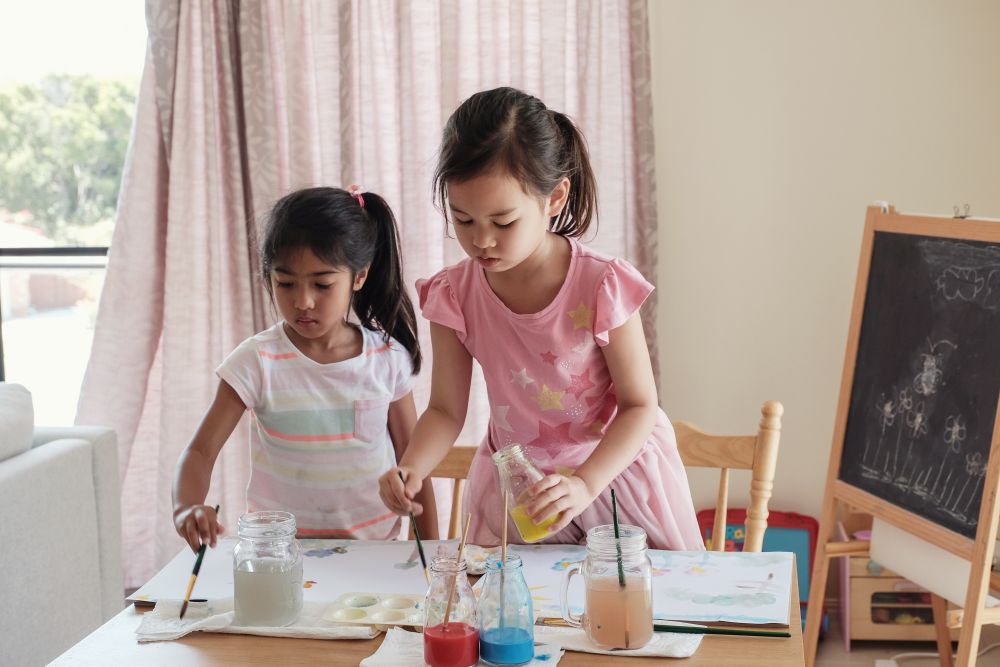
Originating in Italy, Reggio Emilia views children as capable, creative learners. Projects emerge from children’s interests and are expressed through art, storytelling, and collaboration. Malaysian Reggio schools often feature open spaces, creative studios, and strong home–school partnerships.
Best for: Creative, expressive, and curious children who thrive in teamwork.
This holistic, art and nature-inspired method nurtures imagination, rhythm, and emotional balance. Learning unfolds through storytelling, music, and play, with minimal screen time or early academics. Waldorf preschools in Malaysia appeal to families seeking gentle, soulful education.
Best for: Sensitive, imaginative children who need calm and rhythm in learning.
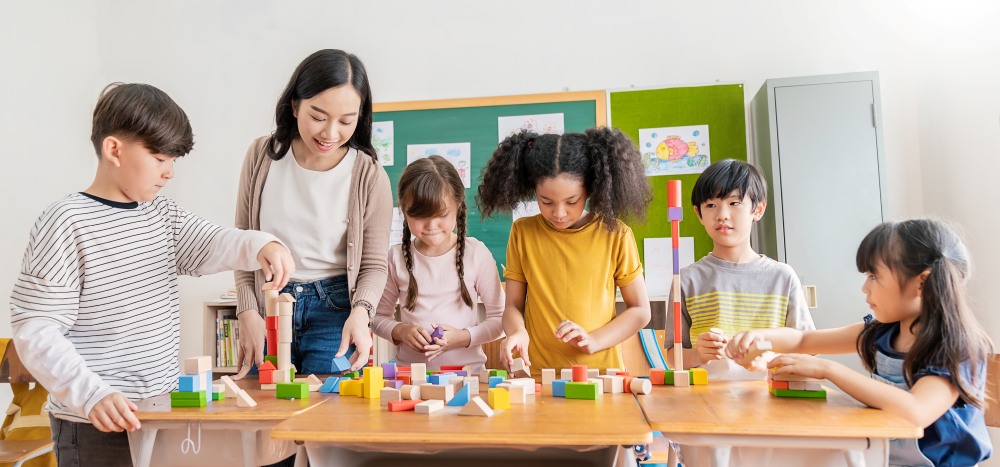
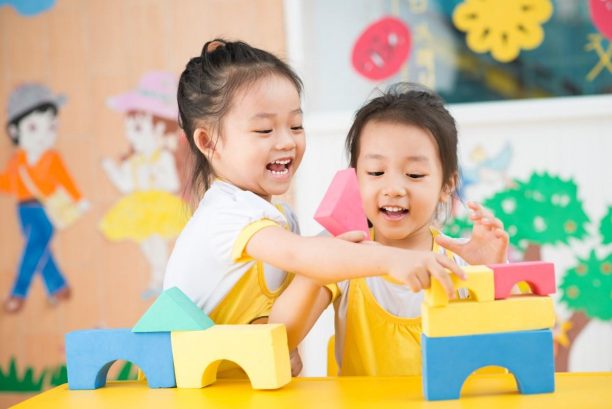
Play is a child’s natural way of understanding the world. Through pretend play, sensory exploration, and outdoor activities, children develop creativity, problem-solving, and social-emotional skills. Teachers guide rather than instruct, turning play into meaningful learning.
Best for: All children, especially those who learn through movement and imagination.
Popular in many Malaysian preschools, this approach organises lessons around engaging themes like “My Family” or “The Ocean.” It weaves literacy, math, science, and art together, helping children make real-world connections.
Best for: Children who enjoy variety, structure, and learning through stories.
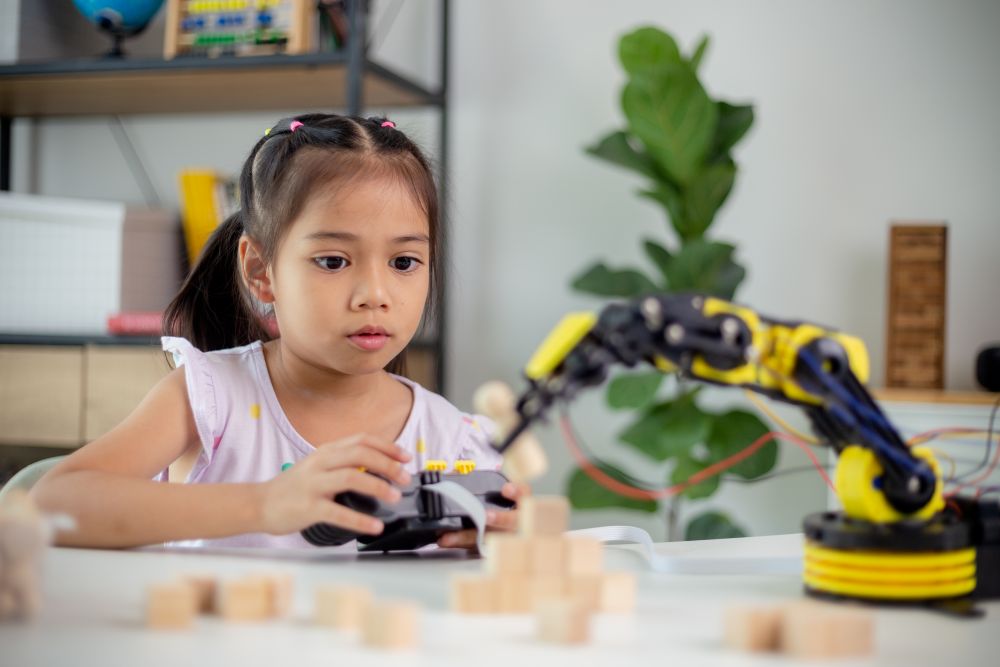
Driven by curiosity and discovery, this approach encourages children to question, experiment, and innovate. Integrating Science, Technology, Engineering, Arts, and Mathematics, it builds problem-solving, teamwork, and creative thinking which are skills vital for the future.
Best for: Young explorers who love to build, ask questions, and find solutions.
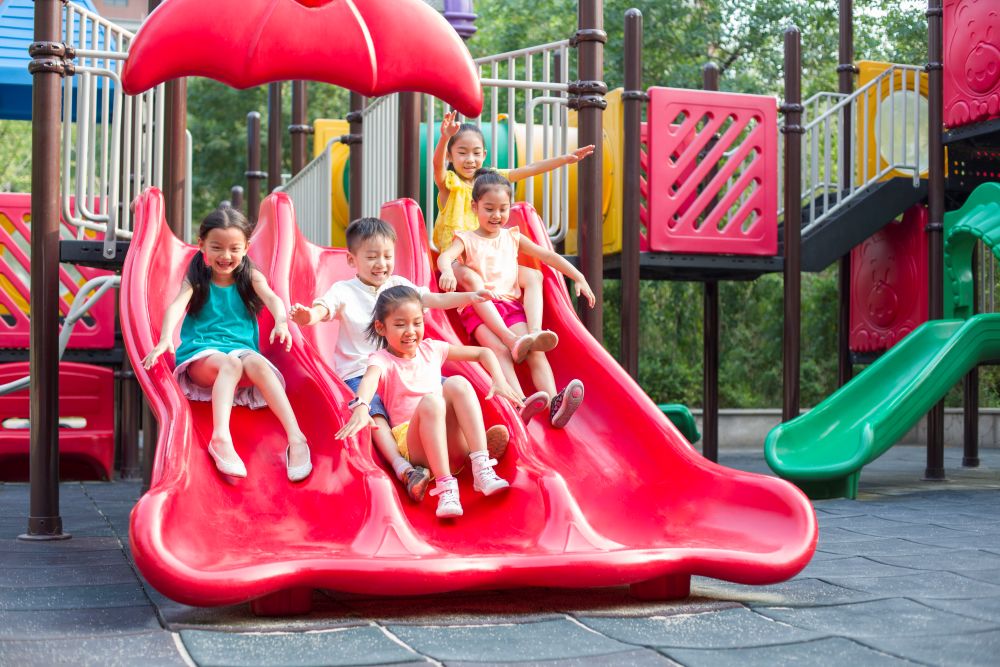
Inspired by Finland’s globally admired education model, this child-centred philosophy values joy, well-being, and freedom. Learning happens through play and outdoor exploration, not pressure or testing. Malaysian Finnish-inspired preschools focus on emotional security, autonomy, and lifelong curiosity.
Best for: Families seeking a happy, pressure-free environment where children grow naturally.
When comparing preschools, look beyond brochures and slogans. Focus on the people, environment, and values that will shape your child’s earliest years.
Teachers are the heart of any preschool. Look for those with recognised ECE qualifications, ongoing training, and low turnover — children thrive with consistent, caring adults. Staff trained in first aid, safety, and child psychology are also signs of a responsible, nurturing school.
Smaller classes mean more attention and deeper relationships. Aim for ratios around 1:8 to 1:12, depending on age. With fewer children per teacher, educators can offer more personalised guidance and emotional support, helping each child learn confidently at their own pace.
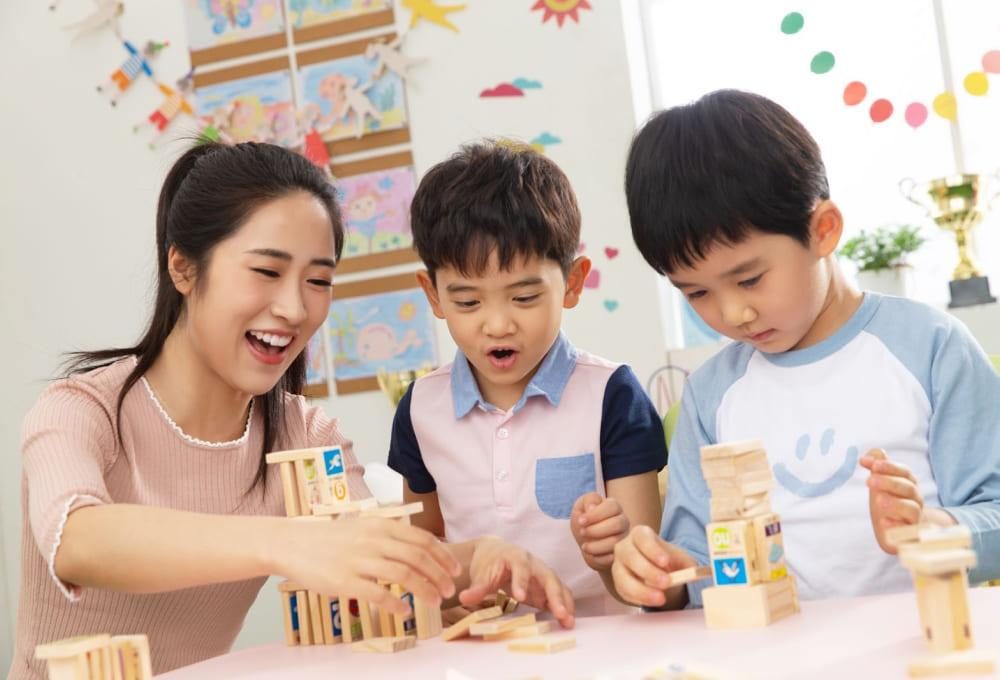
A good preschool feels safe, bright, and welcoming. Look for clean, well-ventilated classrooms, secure entry systems, and age-appropriate indoor and outdoor play areas. Check hygiene standards and safety measures like fire exits and first aid readiness. If possible, visit during school hours to see how teachers interact naturally with children.
Strong communication builds trust. Quality preschools keep parents informed through regular updates, photos, or progress reports and welcome participation through meetings or workshops. Teachers should be open about behavioural or emotional issues and work closely with parents to support each child’s growth.
Preschools should support family routines, not complicate them. Check whether they offer half-day, full-day, or after-school options, plus flexibility during holidays. A convenient location and reasonable pickup times reduce stress and make it easier for parents to stay involved.
Early education is a valuable investment. Ask for a full breakdown of fees — including meals, materials, and uniforms — and understand refund or payment policies. Compare what you’re getting for the price, not just the numbers. Quality often means better-trained teachers and richer learning experiences.
Many preschools offer trial sessions or observation days. Watch how your child reacts whether are they curious, comfortable, and engaged? Beyond curriculum or décor, it’s the warmth, atmosphere, and teacher–child connection that matter most. If it feels right, it probably is.
There is no universally “perfect preschool.” The right one is the one that matches your child’s temperament, your family’s values, and your logistical reality.
When the preschool offers warmth, responsive care, relationships, opportunities to explore and fail safely, thoughtful scaffolding, and strong communication with you, it becomes more than just “school.” It becomes an early home of learning and belonging.