















Upcoming Under-16 Social Media Ban Reflects Global Shift to Protect Children | KiddyNews
by Kiddy123.com . on 01/04/2026 ...
Early Childhood at the Centre of a Global Digital Reset
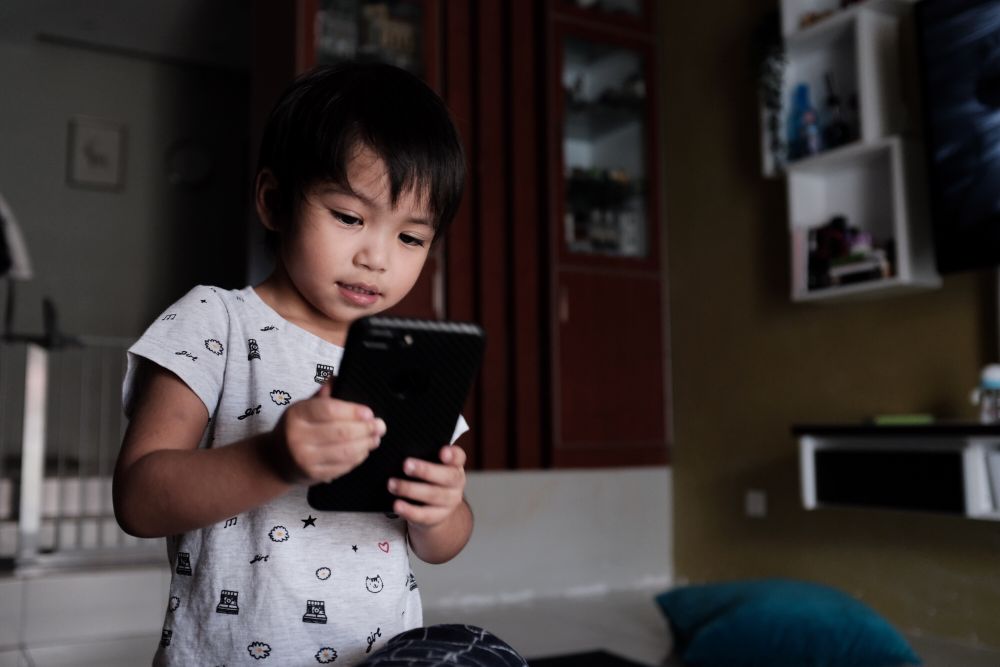
A growing number of countries are tightening social media rules as concerns mount over how digital exposure affects children, particularly in their early and formative years.
From attention and behaviour to emotional wellbeing, policymakers worldwide are increasingly recognising that unrestricted access to social media may interfere with healthy childhood development. This has sparked a wave of regulations aimed at protecting children before harmful habits take root.
Malaysia Targets End-June Rollout
Malaysia is now moving closer to implementing its own under-16 social media ban, with Communications Minister Datuk Fahmi Fadzil indicating that enforcement could begin by the end of June 2026, or earlier.
The government plans to restrict children under 16 from opening new social media accounts, while also requiring platforms to clean up existing underage accounts. At the same time, authorities are working with major tech companies to establish reliable age-verification systems before full enforcement begins.
Parent-managed accounts may still be allowed, signalling a balanced approach between protection and guided exposure for children.
Australia Sets the Benchmark
Australia has led the global movement with one of the world’s strictest policies, enforcing a nationwide ban on social media for under-16s in December 2025.
The law requires major platforms to block underage users or face heavy penalties, marking a significant shift in how governments regulate children’s digital environments.
The move was driven by concerns over addictive platform design, harmful content, and the long-term impact of screen exposure on young users.
Europe Tightens Rules Across Multiple Countries
Across Europe, countries are adopting a mix of bans and stricter controls:
- France is pushing to ban social media for children under 15 due to cyberbullying and mental health concerns.
- Austria plans to ban access for children under 14, with legislation in progress.
- Denmark has proposed a ban under 15, with limited parental exceptions.
- Norway is consulting the public on a similar ban for under-15s.
- Germany, Italy and Portugal already require parental consent for younger users instead of full bans.
In the United Kingdom, lawmakers are also considering an Australia-style ban, alongside measures like limiting addictive features and introducing usage curfews.
Together, these efforts reflect a broader European shift towards safeguarding children’s early development in the digital age.
Asia Moves Quickly, Including Southeast Asia
In Asia, governments are also taking decisive action:
- Indonesia has introduced a ban on social media for children under 16, targeting high-risk platforms linked to cyberbullying, scams and harmful content.
- China uses a “minor mode” system that limits screen time and restricts access based on age.
- India has begun implementing bans at the state level, with more regions considering similar policies.
These measures highlight growing urgency in the region to address the risks children face online, especially as digital usage continues to rise among younger age groups.
The Americas’ Focus on Parental Control and Platform Responsibility
In the United States and Brazil, the approach has been slightly different, focusing more on parental control and platform accountability:
- Several US states require parental consent and age verification for minors.
- Brazil now requires children under 16 to link accounts to a legal guardian and has banned addictive features like infinite scrolling.
Rather than outright bans, these policies aim to create safer digital ecosystems while maintaining access under supervision.
What This Means for Children and Early Education in Malaysia
Malaysia’s upcoming ban is more than a regulatory move it signals a shift in how childhood itself is being protected.
For younger children, especially those in preschool and primary years, reduced exposure to social media may:
- Support healthier brain development and attention spans
- Encourage real-world play, interaction and learning
- Reduce risks of early exposure to harmful or inappropriate content
For educators and preschools, this could reinforce the importance of hands-on learning, social interaction, and guided digital literacy, rather than early dependence on screens.
A Global Movement to Reclaim Childhood
From Australia to Europe and across Asia, one message is becoming clear: childhood is being redefined in the digital era.
Malaysia’s move to implement an under-16 social media ban aligns with a growing global consensus that protecting children’s early years requires not just access to technology, but thoughtful boundaries around it.
As the policy takes shape, the focus will remain on ensuring that children grow up in environments that nurture their wellbeing, development and future, both online and offline.
Source:
Sky News – “The countries that have social media bans, or are planning to implement one”
The Edge Malaysia – “Fahmi expects ban on social media for children under 16 by end-June”
Thoughtfully adapted by KiddyNews. Keeping parents and educators informed with the latest ECCE developments from Malaysia and beyond