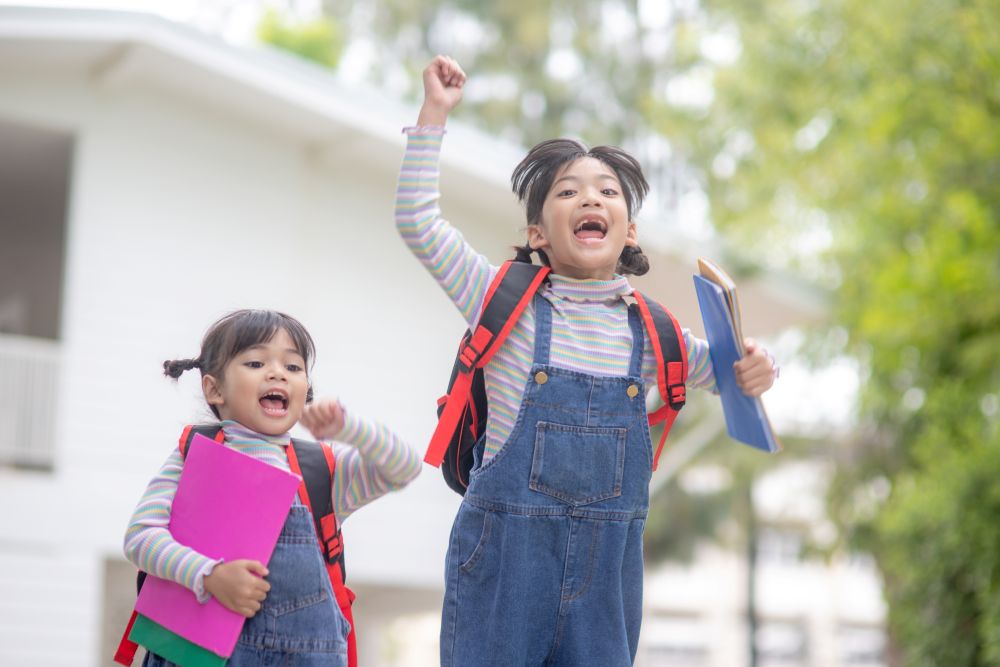
Malaysia’s move towards an earlier start to formal education presents an opportunity to nurture not only academic readiness, but also healthier and more socially connected children. Observers note, however, that long-term success depends on how thoughtfully early education is designed and delivered.
Rising Concerns Over Children’s Mental Health
Educators and practitioners have observed increasing levels of anxiety, stress and behavioural challenges among young children, often extending into adolescence. Drawing from over two decades of experience in psychology and school-based interventions, including work with United Nations Children’s Fund, practitioners emphasise that academic achievement is closely linked to children’s social and emotional well-being.
Learning Environments That Support Development
Experts highlight the learning environment as a key factor in children’s mental health. Young children, they note, are developmentally wired for movement, exploration and sensory engagement. Expecting prolonged stillness in crowded classrooms can lead to frustration and disengagement. Open, safe spaces in schools and neighbourhoods that allow for varied forms of play are seen as essential, with the environment itself functioning as a “third teacher” that encourages curiosity, collaboration and physical activity.
Curriculum Grounded in Empathy and Emotional Safety
Beyond academic content, early education curricula are urged to place social-emotional learning at their core. Consistent modelling of empathy, kindness and respectful communication by adults is viewed as critical. Children learn compassion through daily interactions, not slogans, and benefit when their voices and feelings are acknowledged. Psychological safety in classrooms, where conflict is resolved through dialogue rather than fear or humiliation, is identified as a foundation for healthy development.
Inclusion as Everyday Practice
Inclusive classrooms that welcome neurodiverse children, including those with ADHD, autism and learning differences, are described as practical expressions of empathy. With appropriate support, such environments help all children appreciate diversity, develop generosity and recognise multiple ways of learning and being.
Supporting Teachers and Families
The effectiveness of these approaches depends on teacher well-being, strong parent-teacher collaboration and community support. Stressed or burnt-out educators, practitioners warn, cannot consistently model calm and kindness. Alignment between home and school, alongside access to community mental health resources, is seen as essential to sustaining positive outcomes.
Building Resilience Through Compassion
The goal of these early education approaches is not to shield children from challenge, but to build resilience rooted in empathy. Children who experience understanding and kindness are better equipped to self-regulate, form strong relationships and cope with stress. Such environments, experts say, foster confident individuals who can think critically, care for others and contribute positively to society.
Call for Collective Action
Stakeholders are urged to work together to support this shift. Policymakers are encouraged to fund training in empathetic classroom practices and reduce reliance on punitive discipline. Teacher training institutions are called to strengthen their focus on developmental psychology and child-centred approaches, while schools and communities are urged to create spaces where empathy and kindness are actively practised.
Source:
The Sun – “Prioritising children’s well-being in early education”
Thoughtfully adapted by KiddyNews. Keeping parents and educators informed with the latest ECCE developments from Malaysia and beyond.