












Project-Based Learning: Why it’s the Most Important Shift in Preschool Education, and for the Future of Malaysia
by Billy Boey . on 29/12/2025 ...
In a world where change is constant and the future is increasingly unpredictable, early childhood education can no longer rely on routines of the past. The question is no longer what children should memorise, but who children are becoming and how education can nurture their curiosity, confidence, character, and capacity to adapt.
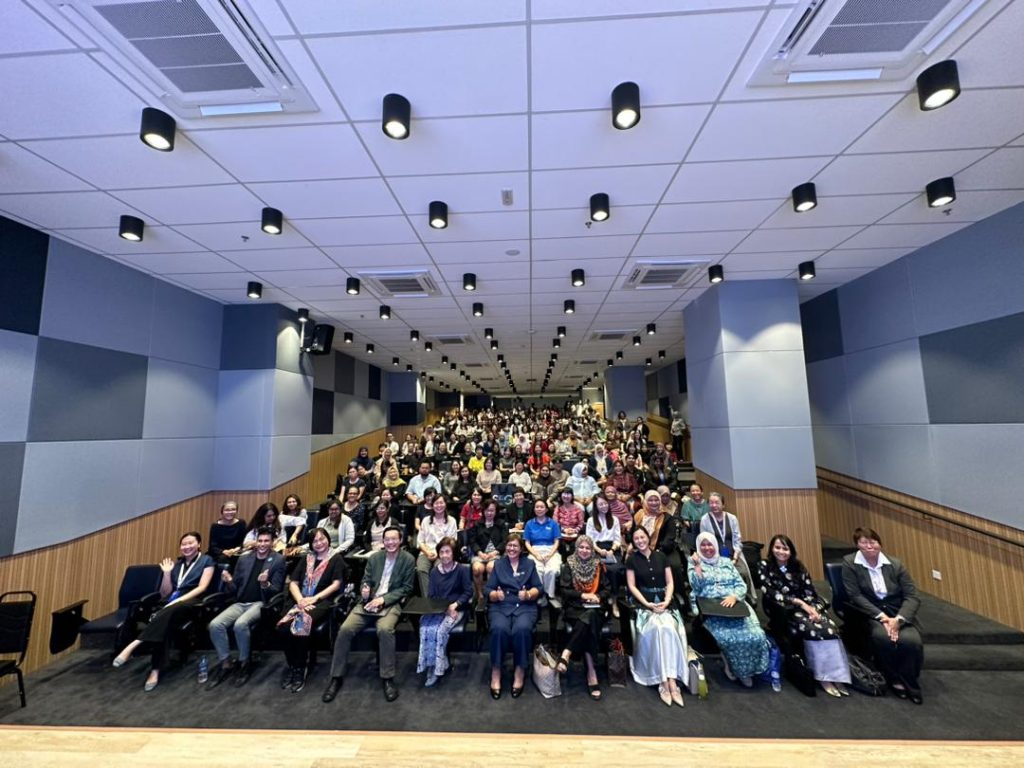
This was the central message that resonated powerfully throughout Be the Change: Empowering Educators for the Ever-Changing Early Childhood Landscape, a landmark early childhood education event held on 14 November 2025 at SEGi College, Subang Jaya. Bringing together educators, school leaders, policymakers, and practitioners from Malaysia and Singapore, the event made one thing abundantly clear:
Project-Based Learning (PBL) is no longer an option. It is the foundation for future-ready education.
Why Project-Based Learning, and Why Now?
Opening the conference, Arjuna Raj, Head of Transformation at Twinklekidz Group and Co-founder of Littlelives, set the tone with a compelling reminder: education does not happen in isolation. It takes a village to raise a child, and today, that village must evolve together.
In Singapore, Project-Based Learning has already been embedded through national initiatives such as Start Small Dream Big, encouraging children to take on meaningful community projects from a young age. Malaysia, too, is now moving decisively in this direction through the Kurikulum Prasekolah 2026 (KP 2026), which places PBL at the heart of early learning.
As Arjuna aptly quoted, “Education is not the filling of a bucket, but the lighting of a fire.” Project-Based Learning does exactly that, it lights curiosity, agency, and purpose in children, while reigniting passion and meaning in teachers.
Understanding PBL: Not a Project, but a Way of Learning
Keynote speaker Elizabeth Wu, Co-founder and COO of Trehaus and a curriculum thought leader at Little Lab, addressed a crucial misconception: many educators think they are already doing PBL, but they are not.
Traditional “projects” are often teacher-directed, short-term activities with predetermined outcomes. Children follow instructions, complete tasks, and produce a display. Project-Based Learning is fundamentally different.
True PBL is:
- Sustained over time
- Inquiry-driven
- Rooted in real-world questions
- Guided by children’s curiosity
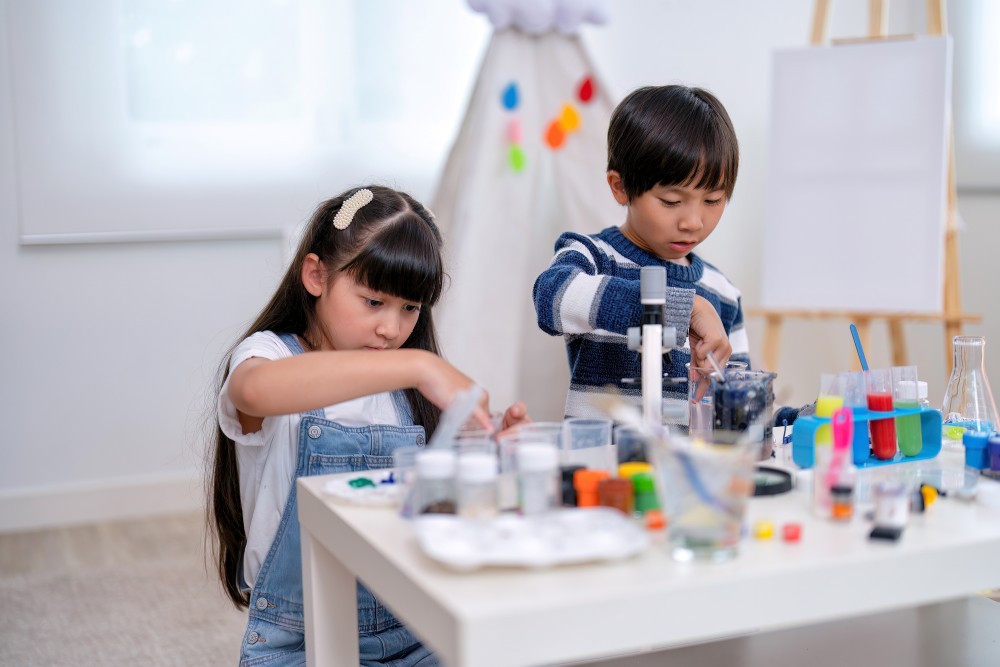
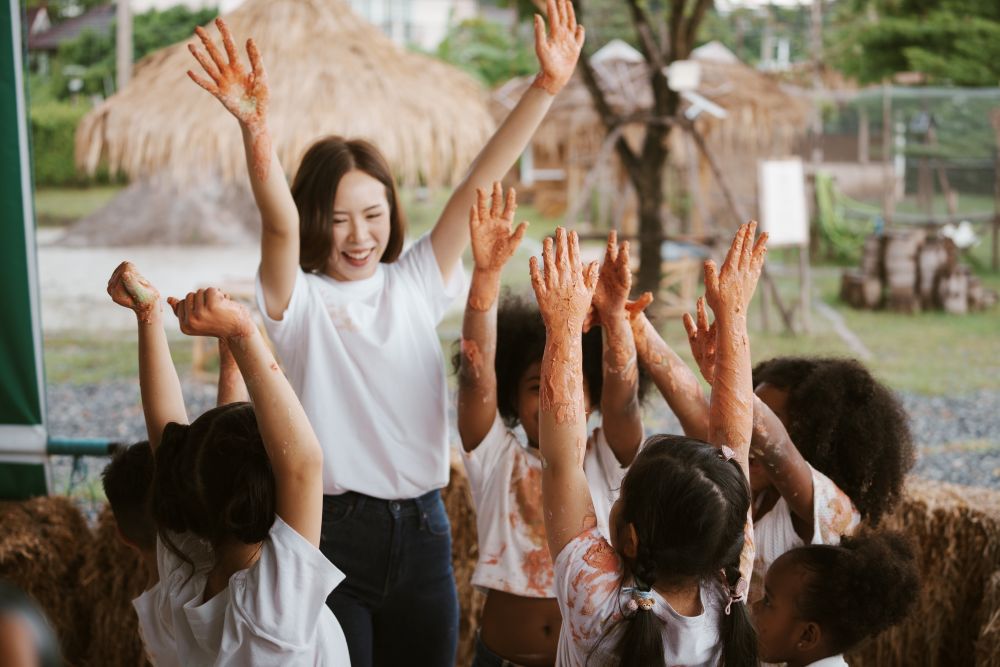
In PBL, teachers do not dictate answers. They design the environment, pose meaningful provocations, and journey alongside children as curious partners. Learning shifts from adult-centred instruction to child-centred exploration, nurturing critical thinking, creativity, collaboration, and problem-solving. These are the very skills demanded by the 21st century.
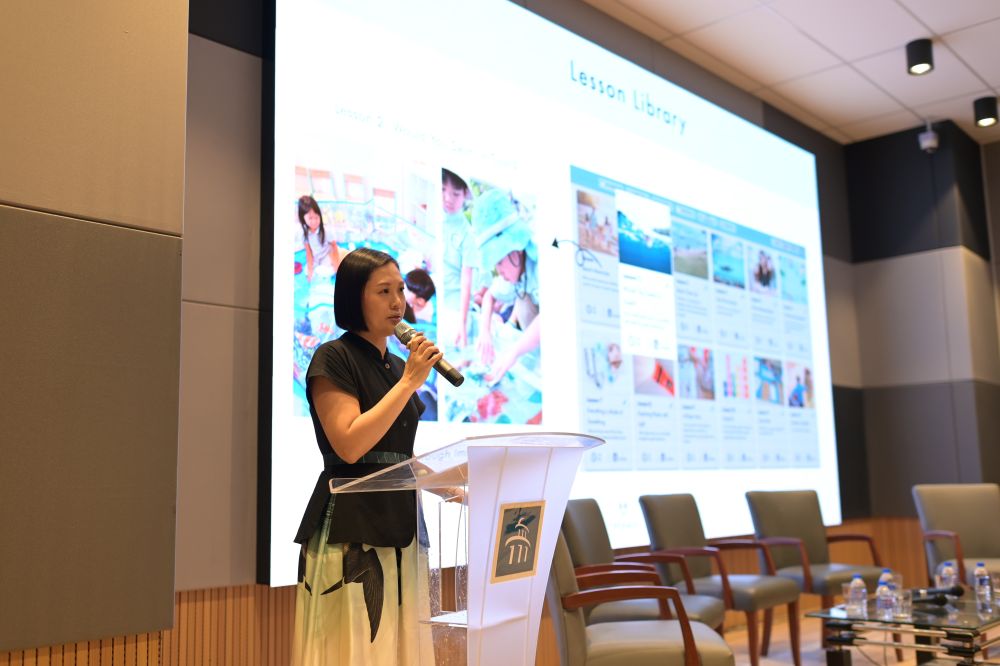
Elizabeth also outlined the three stages of PBL:
- Piquing curiosity through a big, meaningful question
- Investigation and exploration, where children research, experiment, and collaborate
- Reflection and purpose, where learning is consolidated and shared
This process transforms classrooms into vibrant ecosystems of inquiry, joy, and deep learning.
Why KP 2026 Places Project-Based Learning at the Centre
Pn. Sarina binti Salim, Senior Deputy Director of the Curriculum Development Division, Ministry of Education, powerfully articulated the policy rationale behind this shift.
Malaysia’s preschool landscape has evolved steadily:
- 1960s: Initiatives led by religious bodies and NGOs
- 1970s: KEMAS and PERPADUAN
- 1993 onwards: MOE-operated preschools
Today, with 10,197 MOE preschool classes in 2025 and 350 new expansions planned for 2026, early childhood education is a national priority. The proposed establishment of a Bahagian Pra-Sekolah reflects a serious commitment to coordination, funding, and quality across all providers.
But structural growth alone is not enough.
From the Balanced Child to the Harmonious Child
Under the 2027 School Curriculum Framework, Malaysia is making a profound philosophical shift from nurturing a balanced child to a harmonious child. This means recognising children as whole human beings, not academic outputs.
KP 2026 prioritises:
- Self-development: spiritual, physical, emotional, self-awareness, self-management
- Communication: intrapersonal, interpersonal, intercultural, global
- Responsibility: citizenship, entrepreneurship, sustainability, community service, inclusivity
- Digital fluency: computational thinking, data literacy, problem-solving
- Multiliteracies: media, visual, cultural, critical, digital literacy
- Thinking skills: critical, creative, innovative
- Lifelong learning: learning how to learn, reading culture
Learning areas no longer revolve around subjects. They revolve around the child. In this framework, Project-Based Learning is the most natural and effective strategy to integrate all these domains meaningfully.
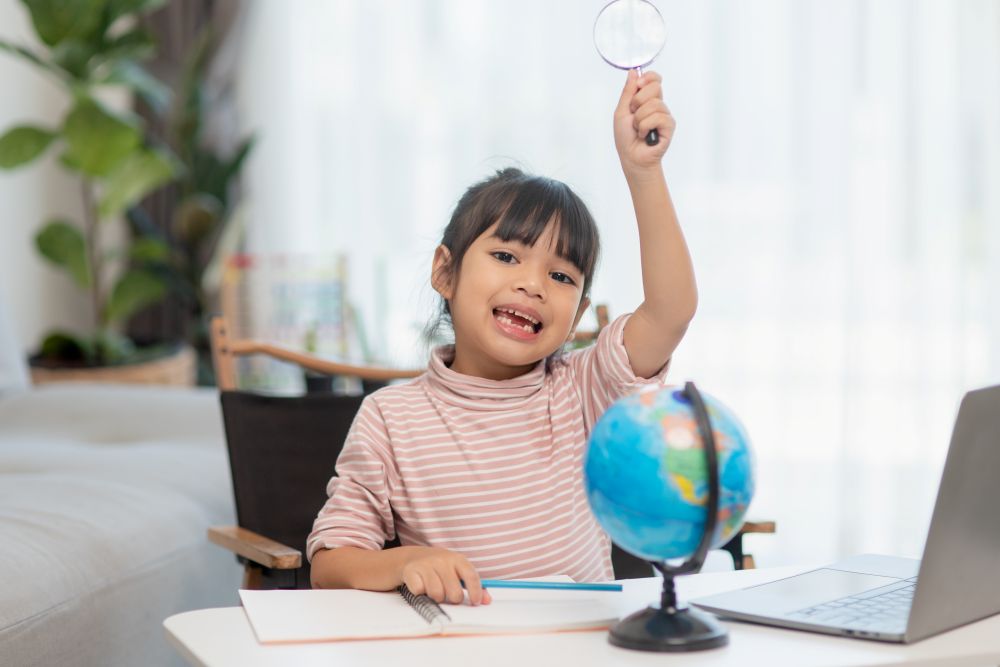
Project-Based Learning Works in Preschool
Despite being included in the syllabus, Malaysia remains heavily exam-oriented. Parents worry about worksheets. Tuition begins earlier and earlier. Children have fun at school and return home to pressure.
PBL challenges this culture by starting where children naturally are: curious, inquisitive, and eager to ask “why.”
Project-Based Learning:
- Begins with the child
- Focuses on the learning process, not just outcomes
- Creates a democratic learning environment
- Reveals children’s personalities, leadership styles, and social dynamics
- Encourages learning by doing
Importantly, PBL does not require expensive resources. It requires creativity, intention, and a thoughtfully designed environment.
How Children Learn Better Through Project-Based Learning
The most compelling evidence for PBL came not from theory, but from lived classroom experiences.
Kitakids Preschool: Learning Through Joy and Creativity
Aqilah Che Azizuddin, Founder and Director of Kitakids Preschool, shared how one of their most successful projects began with something simple: children’s love for LEGO.
From this spark emerged Kita Town, a two-week project where teachers acted as facilitators, guiding children to co-create a miniature town filled with imagination, collaboration, and problem-solving. Laughter filled the classrooms, creativity flourished, and learning unfolded naturally.
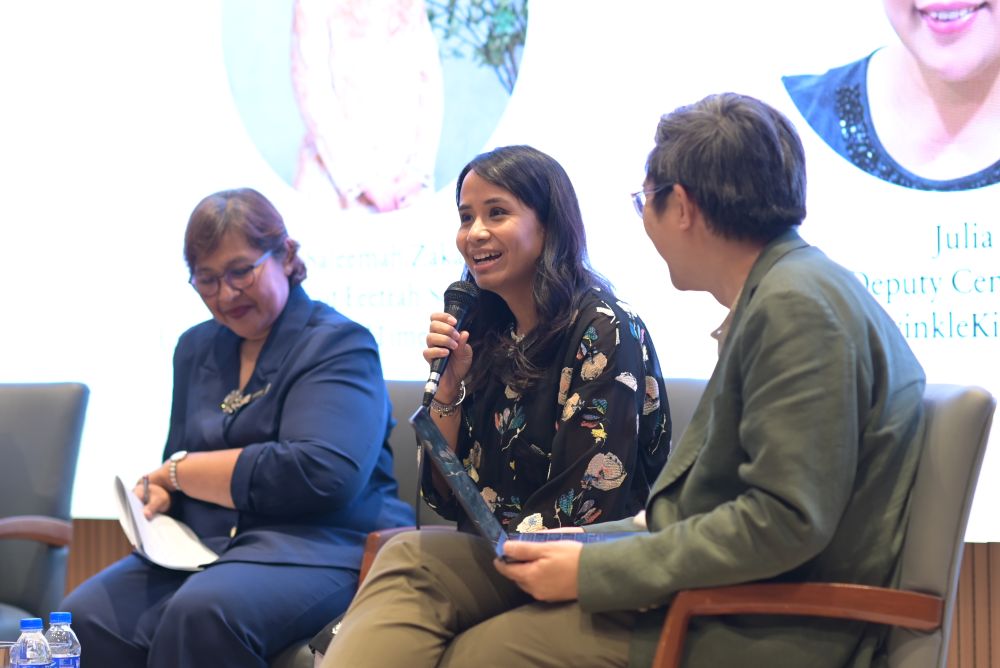
While children were fully immersed in play, teachers were carefully observing, documenting, and ticking developmental milestones. At the end of the project, parents were invited to an exhibition to admire outcomes and to witness the learning journey.
With five centres to manage, Aqilah emphasised that consistency comes from strong teacher support: continuous training, clear learning goals, professional exposure through conferences and study tours, and importantly, giving teachers a voice.
Her guiding philosophy? Genuine. Present. Joyful.
When educators are genuine and present, joy flows – not just to children, but to teachers themselves.
Assessment, she stressed, can coexist seamlessly with PBL. Counting, measuring, problem-solving, communication – all naturally emerge through projects, observed through thoughtful documentation rather than rigid testing.
Little Feetrah & The ChildTime®: A Mother’s Journey into PBL
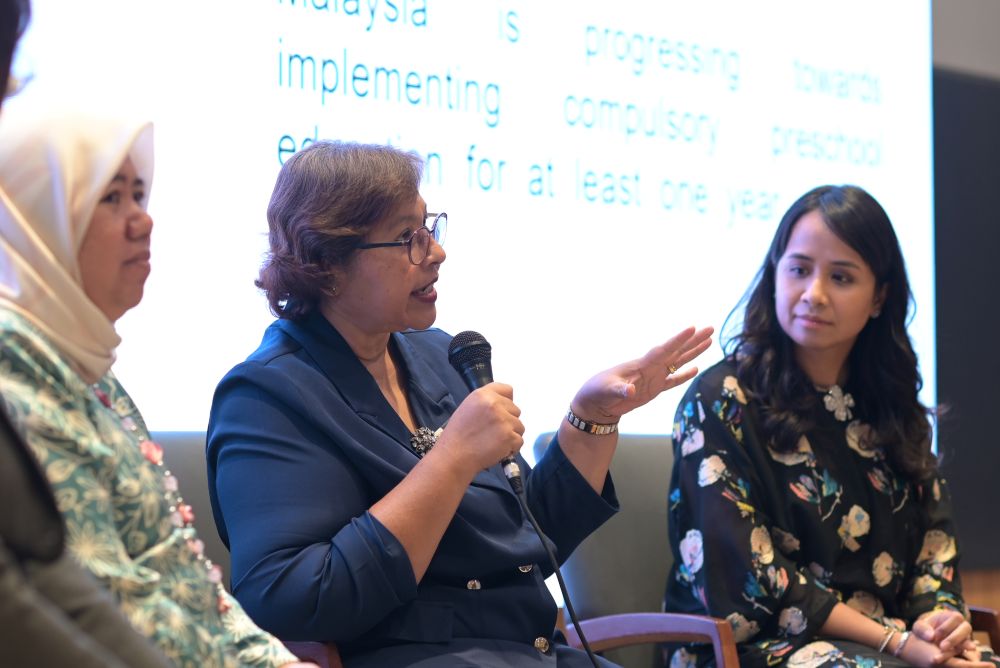
For Nur Saleemah Zakaria, founder of Little Feetrah and The ChildTime®, Project-Based Learning began not in a classroom, but at home during the COVID-19 lockdown.
Her son Salman’s passion for Minecraft became the gateway to deep, meaningful learning. Through a government-supported DELIMA initiative, Salman embarked on a Minecraft project to design an SDG Mall. What began as a game evolved into a powerful learning process involving sustainability, economics, design thinking, and problem-solving.
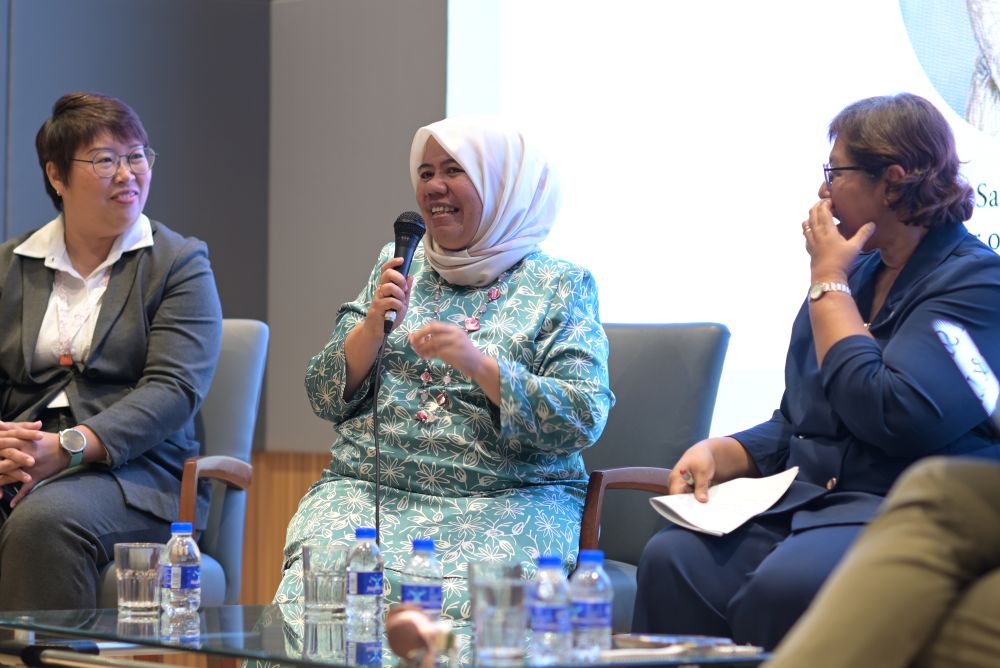
With parents as co-learners, Salman explored questions like:
- Why do we need Sustainable Development Goals?
- How does a mall generate income?
- How can solar energy reduce costs?
Although Salman initially struggled with reading, motivation through the project led him to willingly learn Bahasa Malaysia and mathematics. This experience inspired Saleemah to open her own preschool, grounded in the belief that projects motivate children to learn when learning is meaningful.
Twinklekidz Singapore: PBL as Community and Citizenship
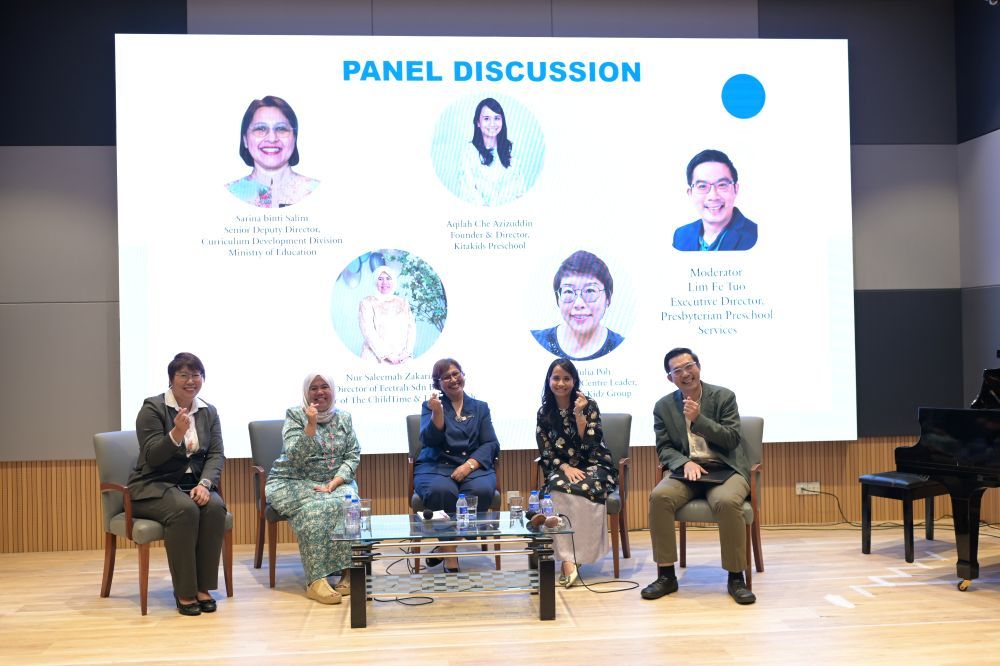
Julia Poh, Deputy Centre Leader at Twinklekidz Group Singapore, shared how PBL has been embedded through Start Small Dream Big, integrating social responsibility with classroom learning.
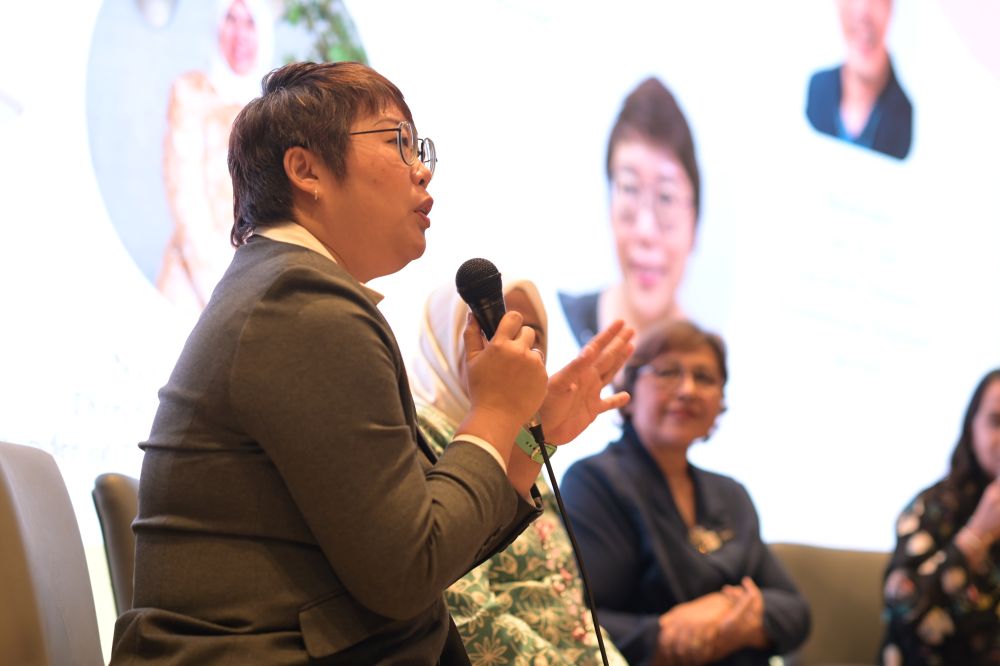
One standout project, A Day in the Life of a Little Taukeh, involved K1 and K2 children exploring entrepreneurship through running a small, coffee-shop-style initiative. Children learned about hygiene, food sources, marketing, pricing, and teamwork. They planted lemongrass in the school garden, brewed drinks, set up booths, and practised cooperation and cleanliness.
Parents and the community were actively involved. Elderly residents from a nearby home were invited to enjoy the drinks, and funds raised were donated back to the community. This was PBL at its best; learning with heart, purpose, and social impact.
Julia emphasised that PBL can be adapted across age groups and abilities, and when educators put their hearts into it, it works.
PBL as a Mindset: Community, Confidence, and Continuity
Reflecting on the discussion, Pn. Sarina highlighted the importance of genuine community participation. “We often say it takes a village to raise a child, but do we truly practise it?” PBL creates the conditions for that village to come alive, integrating thinking skills, communication, creativity, teamwork, and values into one holistic experience.
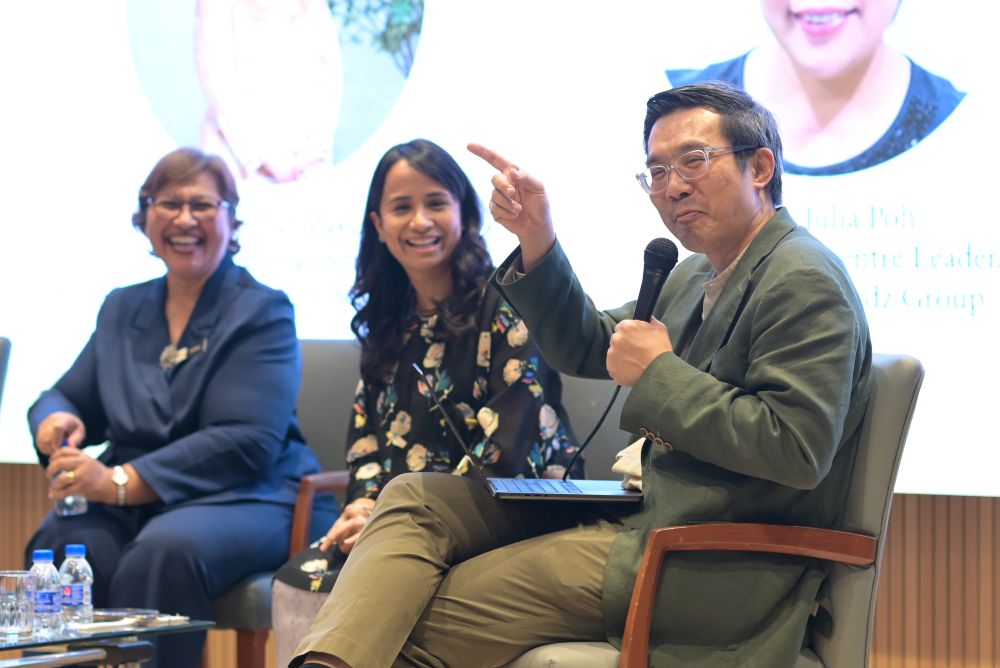
Moderator Lim Ee Tuo, Executive Director of Presbyterian Preschool Services, distilled the essence succinctly: PBL is a mindset. It can happen anywhere, anytime, when educators embrace curiosity and intention.
Listening to Children: Insights from the Q&A
When asked how educators can identify children’s interests, panellists offered grounded advice.
- Aqilah emphasised psychological safety; classrooms where there are no silly questions, and where observation is as valued as participation.
- Julia highlighted inquiry-based questioning, allowing confident children to lead while quieter children observe, reflect, and eventually contribute.
- Saleemah stressed that confident teachers create confident learners. When educators truly understand PBL and the curriculum, learning flows naturally.
On continuity between preschool and primary school, Pn. Sarina reassured educators that from 2027 onwards, Malaysia’s curriculum framework will ensure a seamless, borderless transition, aligning PBL experiences with future learning expectations.
Why Project-Based Learning Matters for Malaysia’s Future
Project-Based Learning is more than a teaching strategy. It is a nation-building approach.
By nurturing curious thinkers, confident communicators, compassionate citizens, and lifelong learners, PBL prepares children not just for exams but for life, work, and leadership in an uncertain world.
As this event powerfully demonstrated, change does not happen to education, it happens through educators.
And when educators choose to be the change, children, and Malaysia, will rise with them.