










by Billy Boey . on 24/04/2026 ...
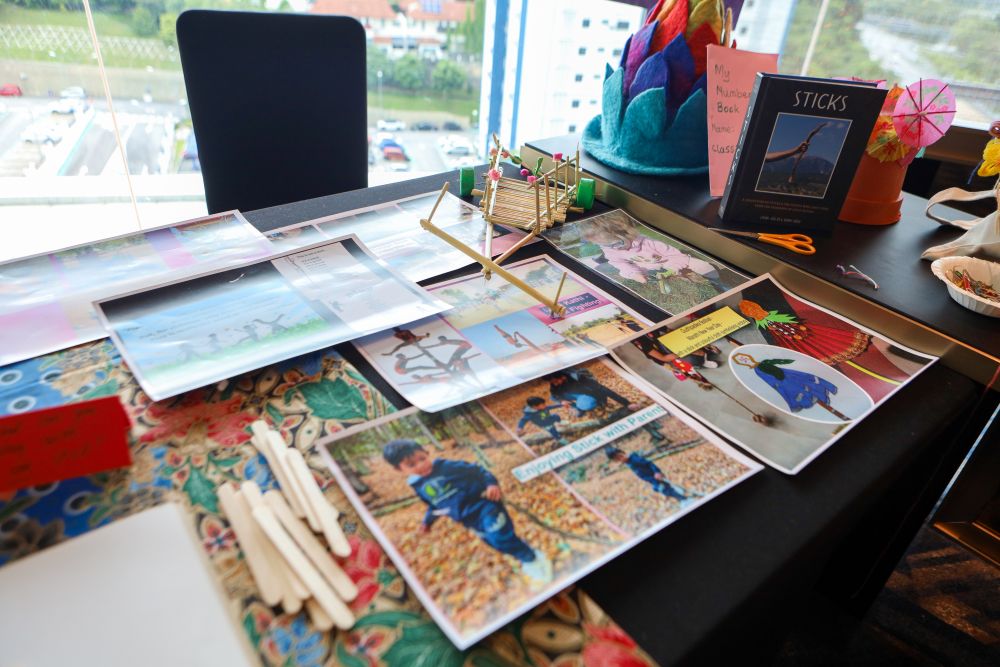
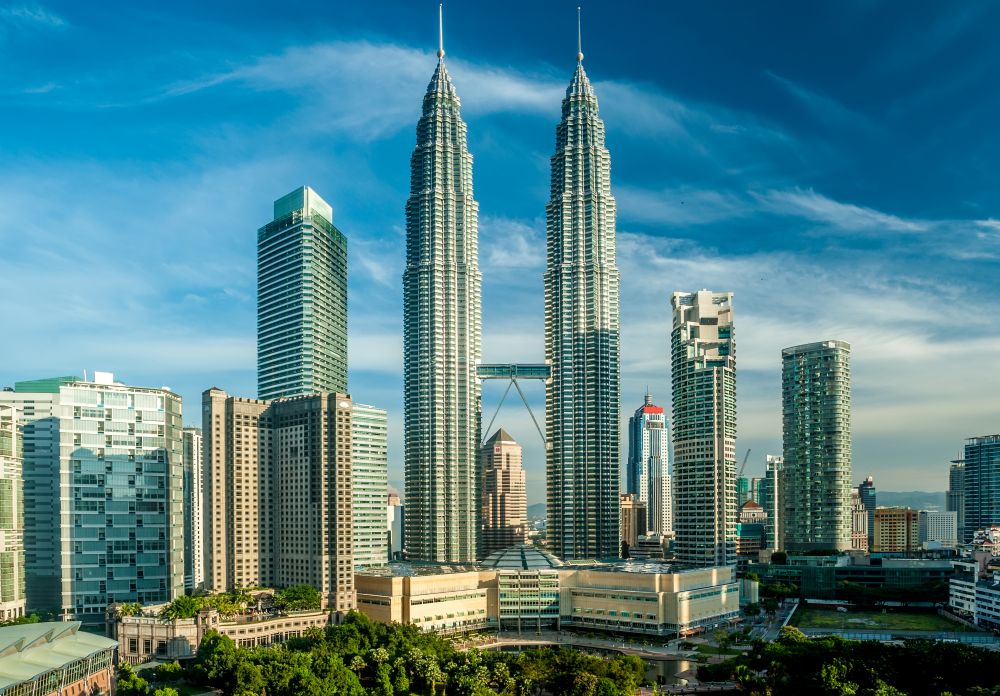
Amid headlines often dominated by conflict, uncertainty, and division, hope found its voice in Kuala Lumpur, through a global gathering of individuals committed to making the world better for children.
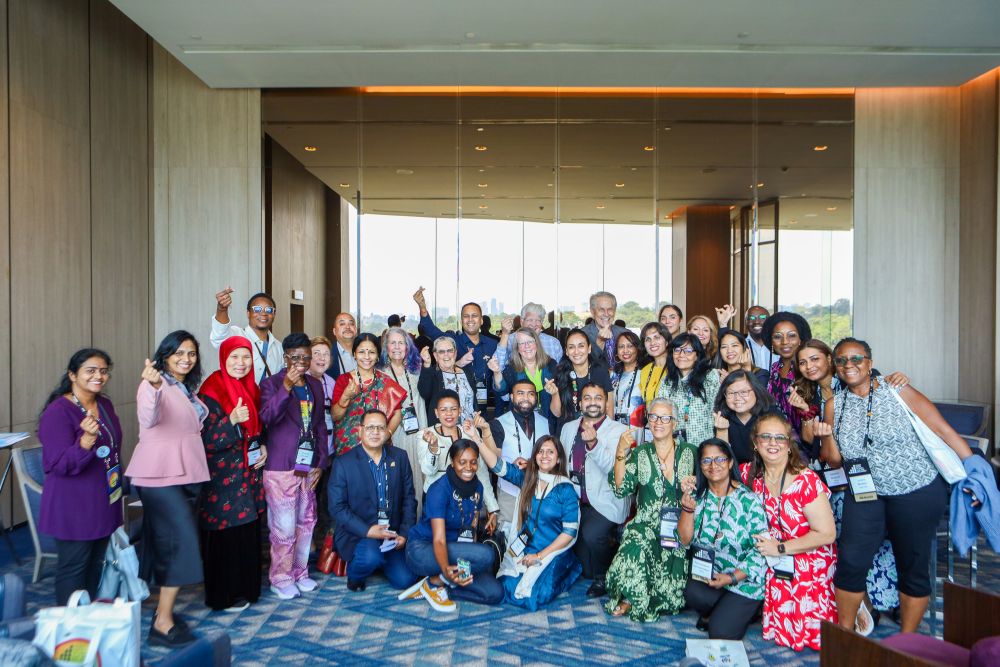
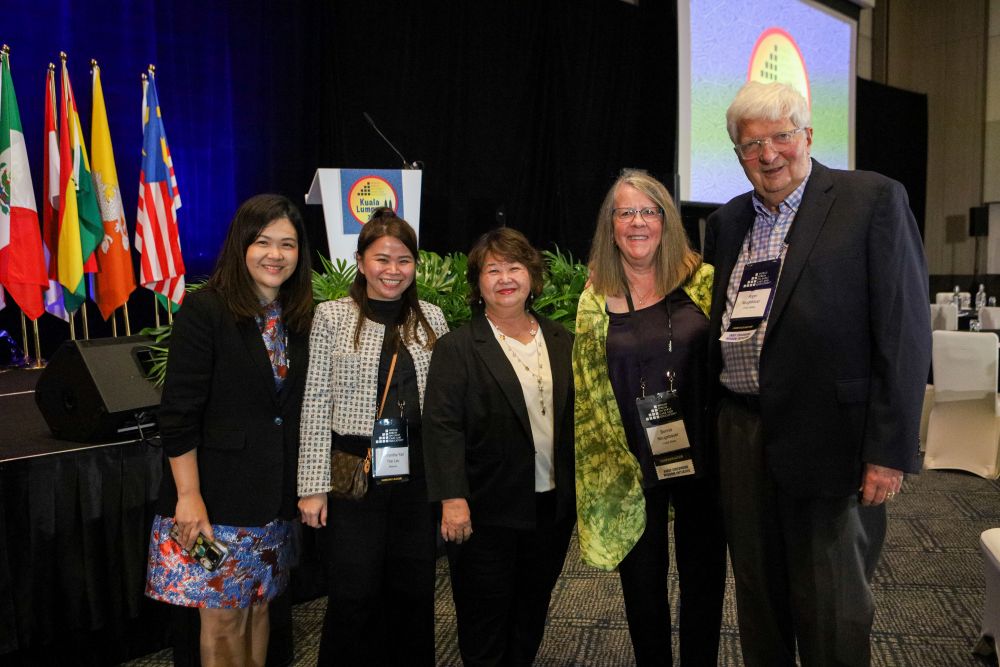
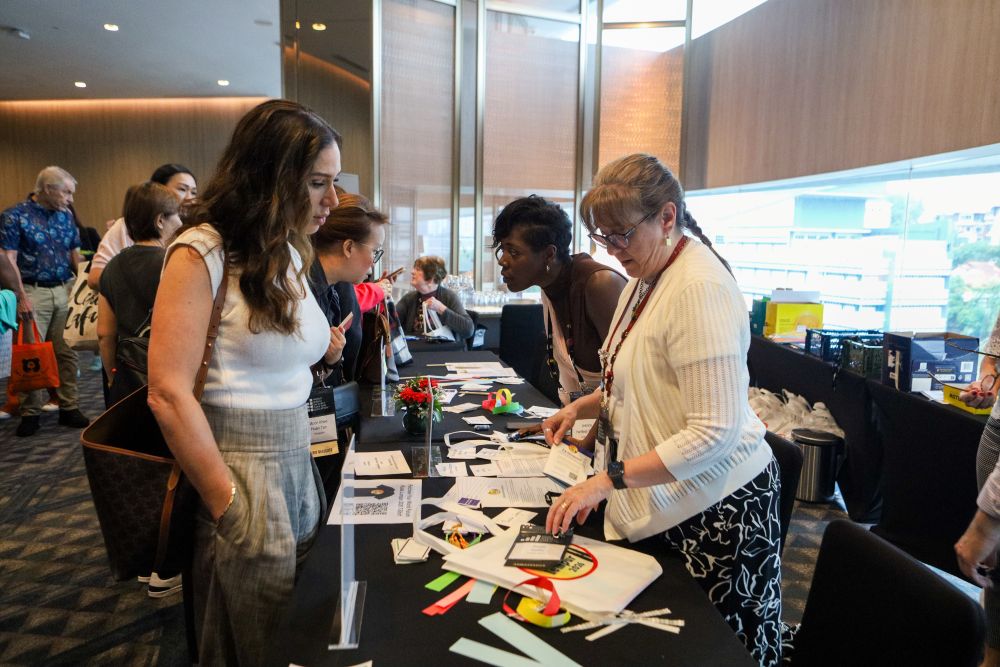
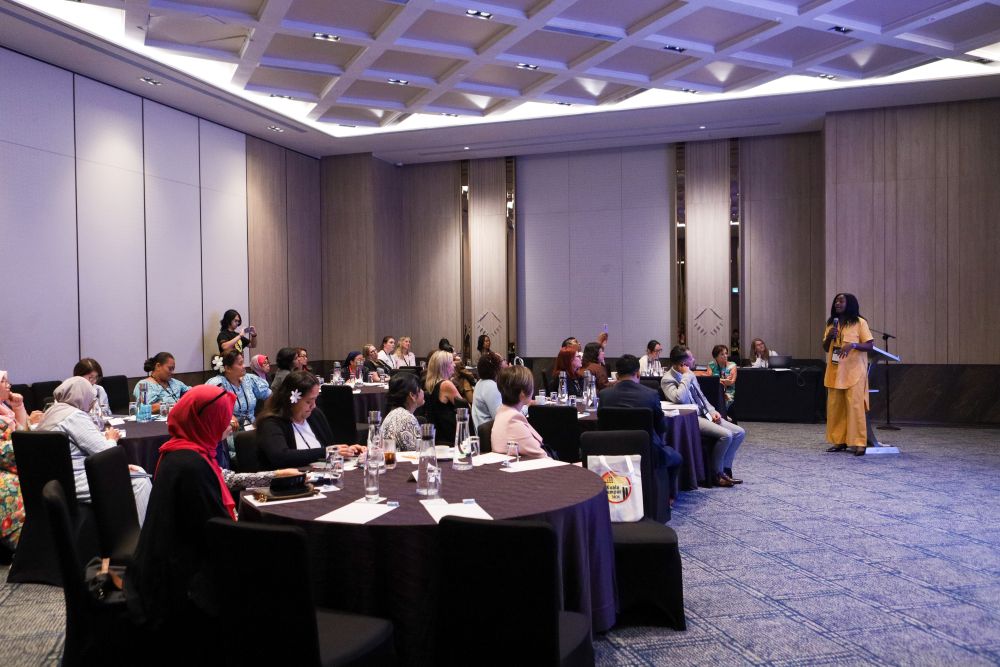
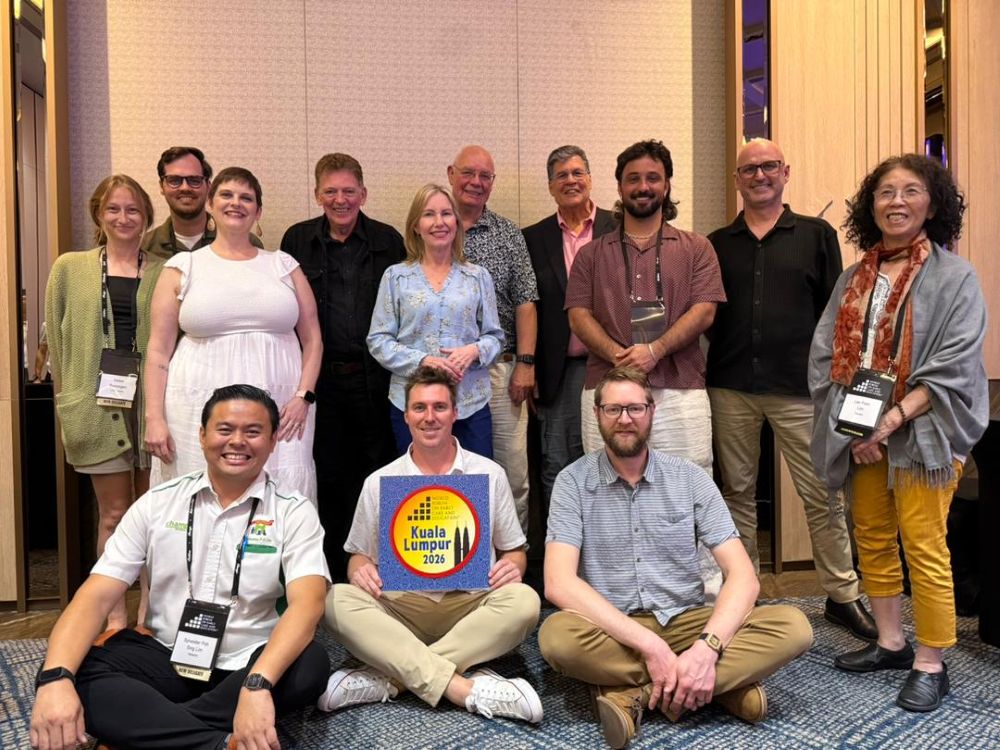
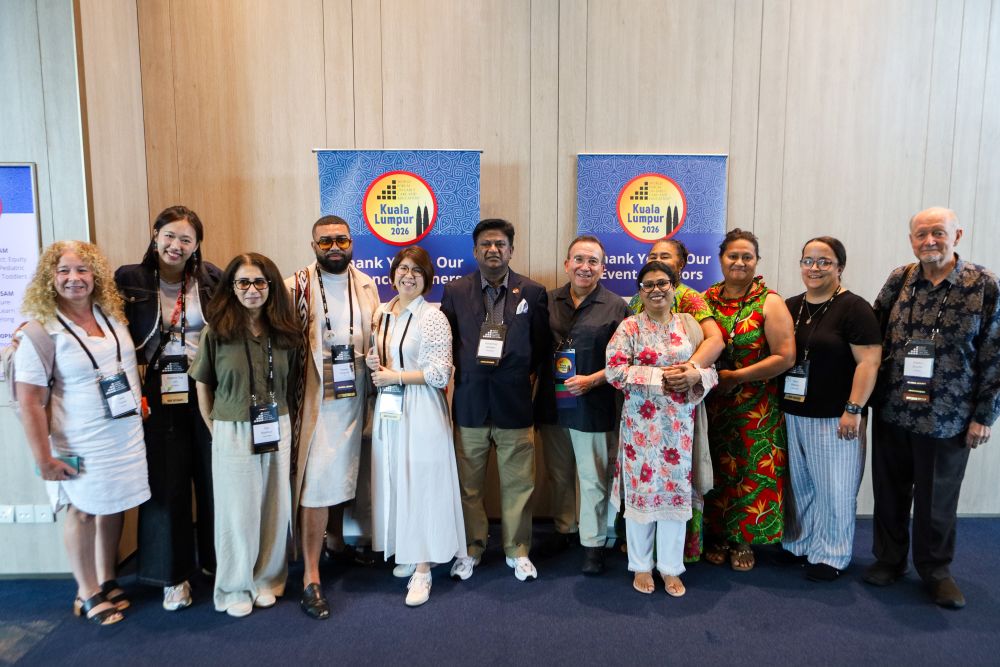
From 13 – 17 April 2026, the World Forum on Early Care and Education 2026 was held and deeply felt. It lived through conversations, connections, shared silences, and collective conviction. For five profound days, more than 650 delegates from over 50 countries gathered, united by one belief that transcends borders, cultures, and systems: every child deserves a future shaped with dignity, care, and possibility.
They arrived as educators, policymakers, researchers, advocates, and caregivers. But beyond their roles, they arrived as human beings, each carrying stories of children from their own corners of the world. And what unfolded in Kuala Lumpur was a global convergence of purpose, a rare space where differences dissolved into dialogue, and where hope was not distant, but deeply present.
Malaysia’s hosting of the World Forum, nearly two decades after its first in 2007, marked a significant milestone that reflected the nation’s growing leadership in early childhood education, aligned with its vision for inclusivity, innovation, and community-driven learning.
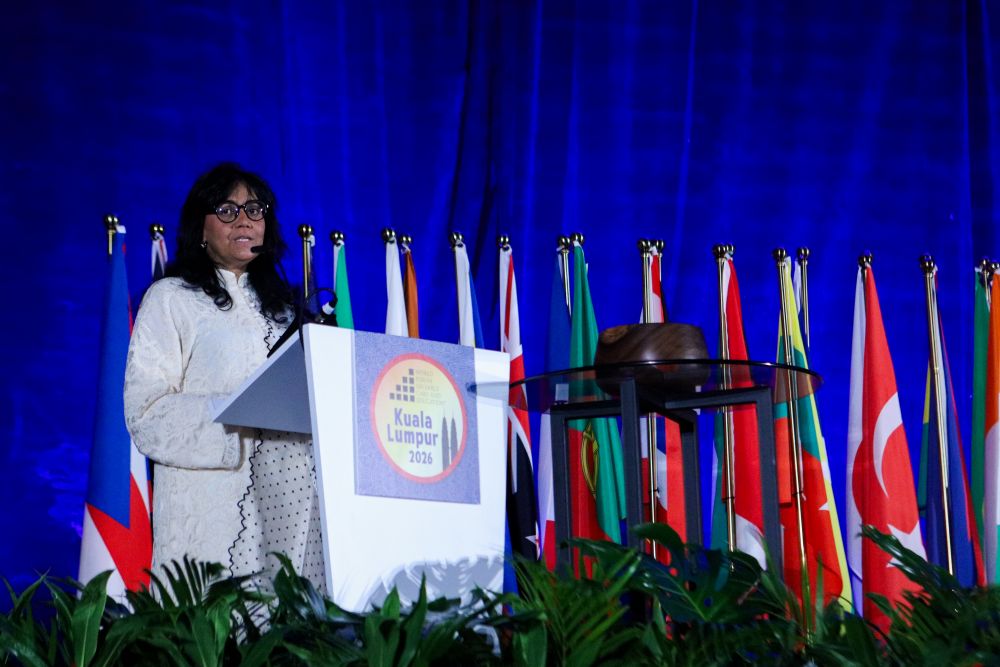
Anne Sivanathan, Vice-President of the World Forum Foundation and Local Host Chair, described Malaysia’s return as host for the second time as both an honour and a responsibility, adding:
“Malaysia believes deeply in the transformative power of early childhood education in shaping a more inclusive, compassionate, and sustainable future. The presence of global delegates here reflects a shared commitment to strengthening the systems that support young children.”
She further encouraged participants to use the Forum as a space where ideas can grow and meaningful partnerships can emerge.
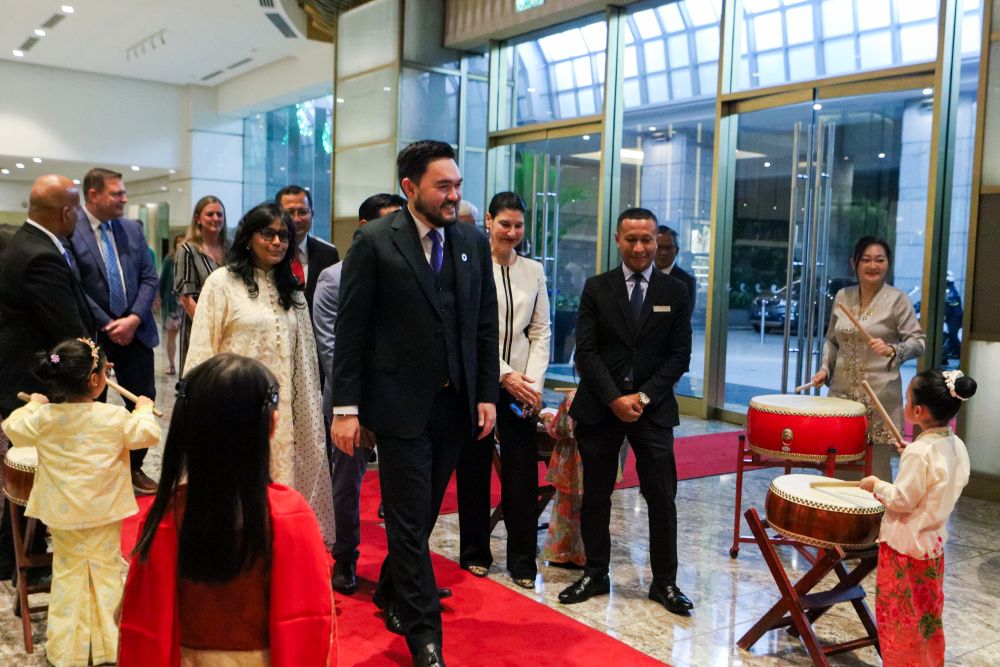
The opening ceremony, officiated by Raja Muda of Selangor Tengku Amir Shah Sultan Sharafuddin Idris Shah, set a tone that resonated throughout the entire Forum:
“Education remains one of our strongest tools for transformation. It must go beyond access. It must be meaningful, inclusive and responsive to every child. Every classroom should be a place where diversity is celebrated and where no child is left behind.”
He urged society at large to remove barriers, strengthen systems, and ensure that every child grows in an environment of dignity, safety, and belonging. It was a message that lingered echoing through every plenary, every breakout session, and every conversation that followed.
To understand what made this gathering so powerful, one must first understand the essence of the World Forum itself. Since its founding in 1999, the World Forum Foundation has been guided by five core values: Children, Change, Relationships, Spirit, and Differences. These are lived principles that shape every interaction within the Forum.
In Kuala Lumpur, these values came alive through the theme, “Feeling Joy, Facing Challenges: Listening to Voices that Lead Us to Connection and Action,” carefully woven throughout the five-day journey.
This structure encouraged something rare in today’s fast-paced world. It created space for knowledge-sharing, reflection, empathy, and transformation, reminding participants that meaningful change begins with listening.
What made the experience truly unforgettable was the people.
There was a palpable sense of openness, an environment where differences became bridges to understanding. Delegates shared not only their expertise, but also their vulnerabilities. They spoke of challenges faced in their countries’ conflict, inequality, systemic gaps, and the ongoing struggle to ensure children are seen, heard, and protected. And yet, despite these realities, the atmosphere remained overwhelmingly hopeful.
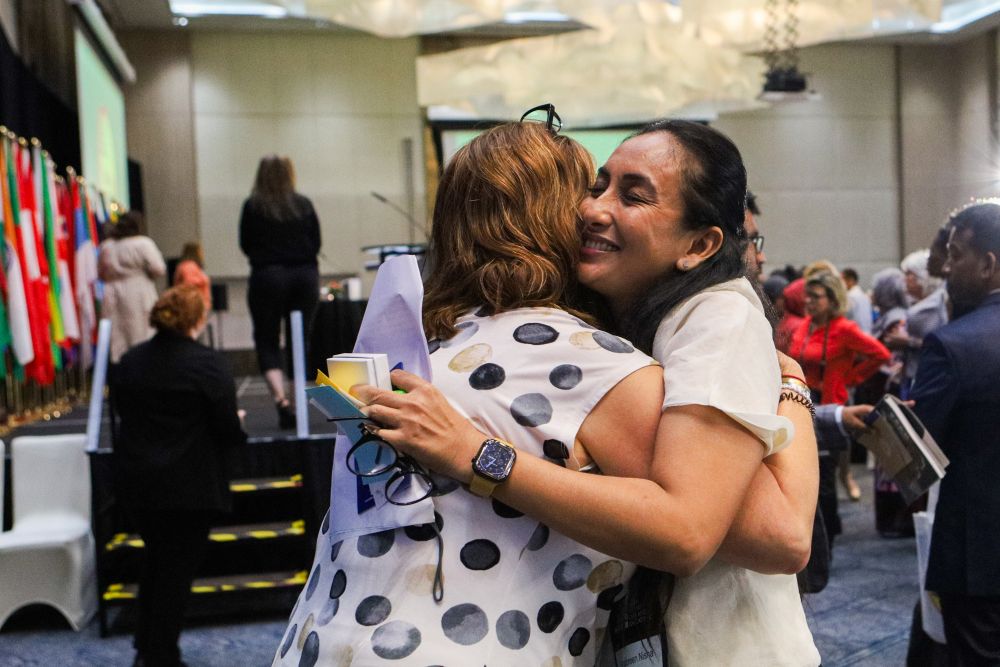
There was warmth in every interaction. Kindness in every exchange. An understanding that everyone in that space was part of something bigger than themselves. It was, in many ways, a reminder that even in a world marked by uncertainty, there are still spaces where humanity feels whole.
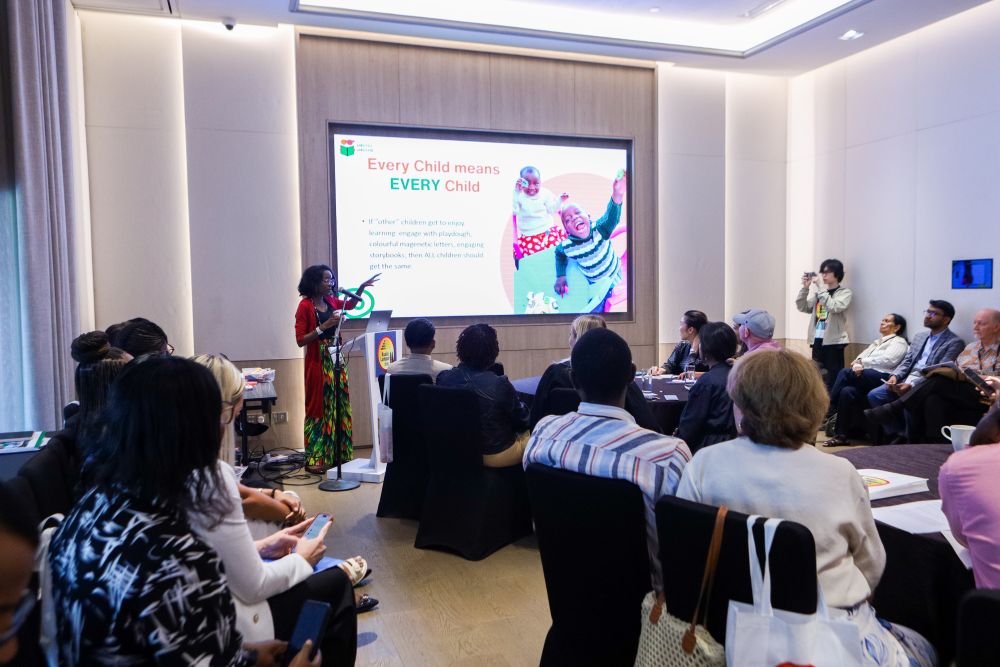
Across more than 60 breakout sessions, the Forum explored the vast and complex landscape of early childhood today.
Topics ranged from child development, inclusivity, and children’s rights to climate change, artificial intelligence, play-based learning, leadership, and mental well-being. There were discussions on children affected by conflict, on equity and policy, on supporting children with disabilities, and on the evolving role of educators in a rapidly changing world. These subjects were deeply grounded in real-world experiences. Among numerous speakers, 19 from Malaysia took the stage, each a notable contributor to the nation’s early childhood landscape.
What made the learning truly powerful, however, was how it extended beyond the walls of the conference halls.
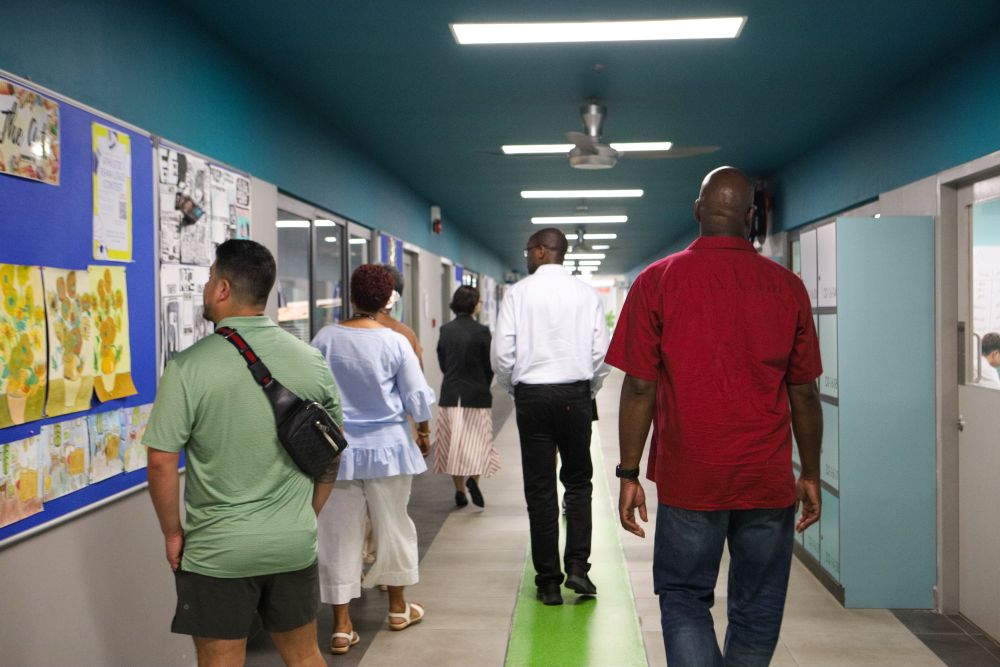
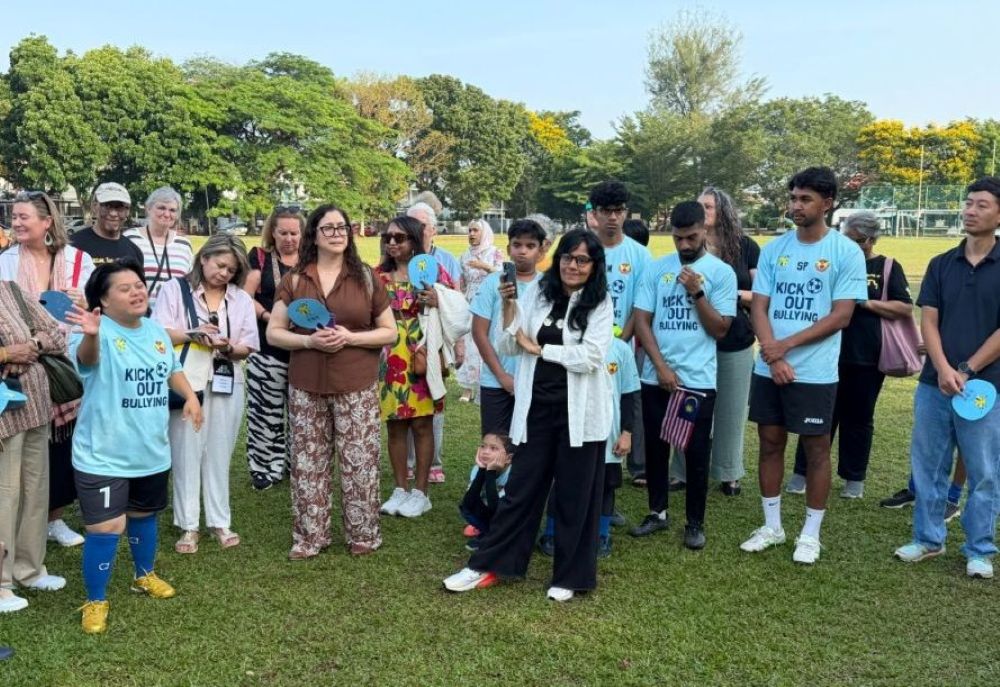
Through centre tours, delegates stepped directly into Malaysia’s early childhood ecosystem. They visited preschools, play centres, and inclusive outdoor learning environments, witnessing firsthand how educational philosophies are translated into practice. They saw children learning through nature, experienced inclusive playgrounds designed for all abilities, and observed classrooms rooted in respect, curiosity, and community.
These visits transformed discussions into tangible experiences, allowing delegates to hear, see, feel, and understand early childhood education in context.
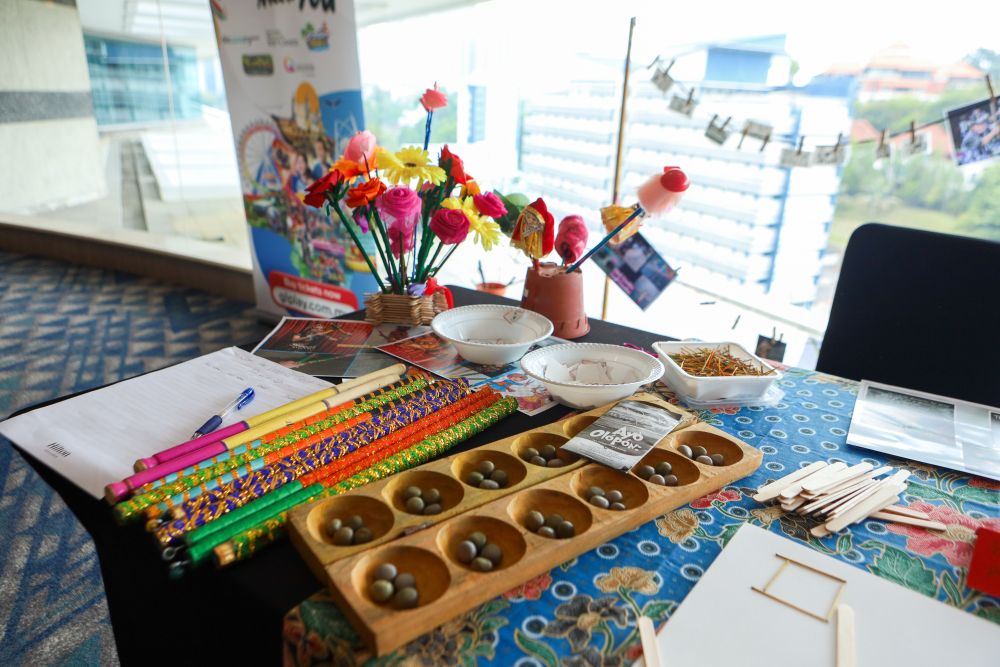
Complementing this were city tours that offered deeper cultural immersion into Malaysia itself. From its vibrant streets to its rich heritage, participants experienced the diversity and warmth that define the nation’s strength, strengthening both professional understanding and cultural appreciation.
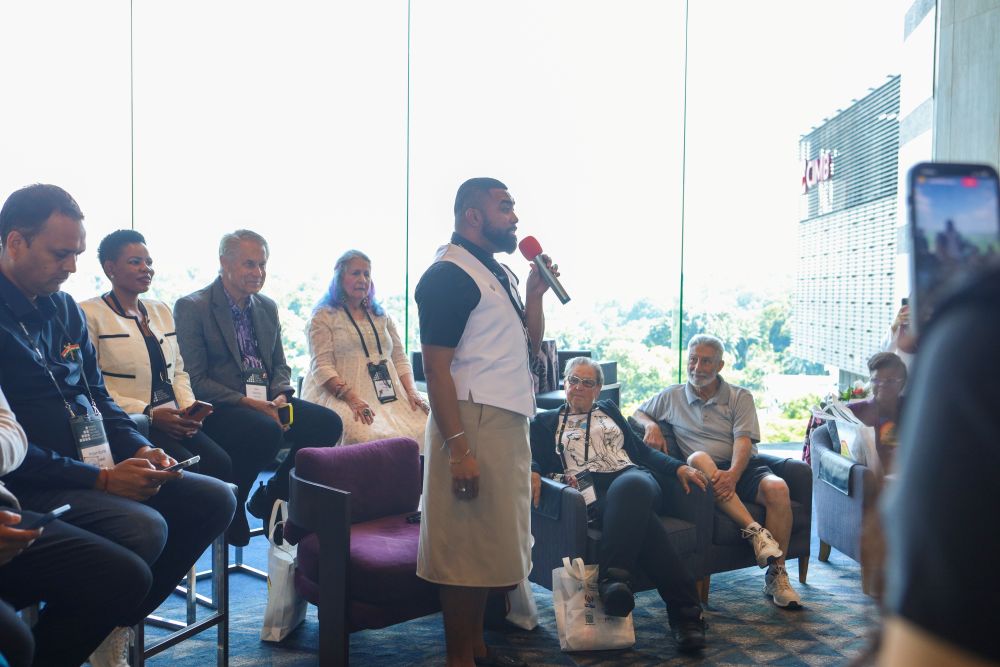
Another significant highlight was the dedicated programme on Men in Early Care and Education. In a field traditionally dominated by women, this session sparked important conversations about representation, stereotypes, and inclusion.
Through open dialogue and shared experiences, participants explored solutions and reaffirmed the importance of diversity among educators as well. A diverse environment lets children grow with varied learning experiences.
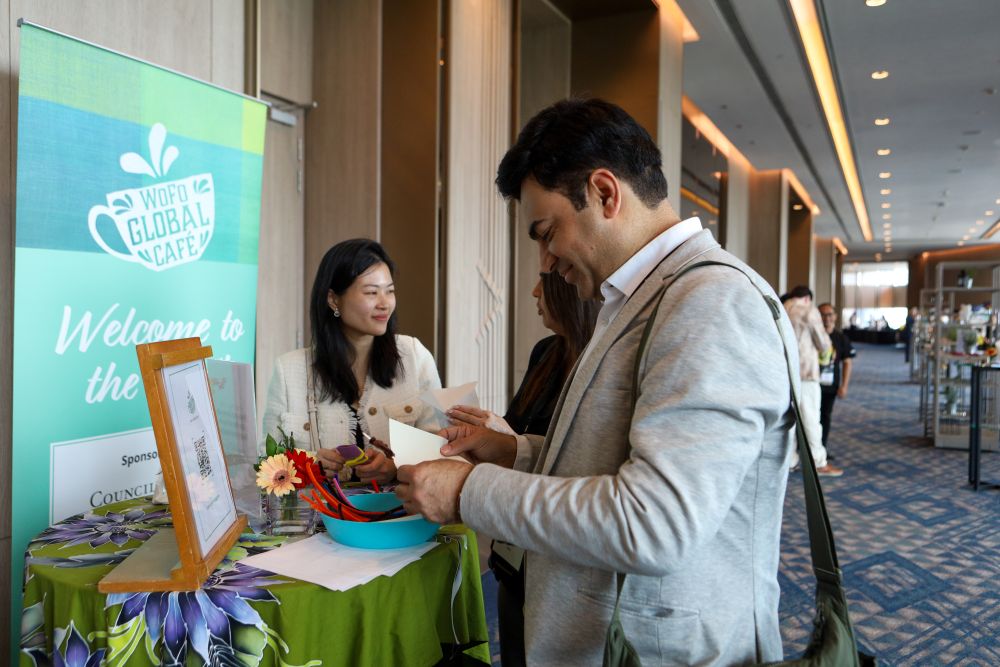
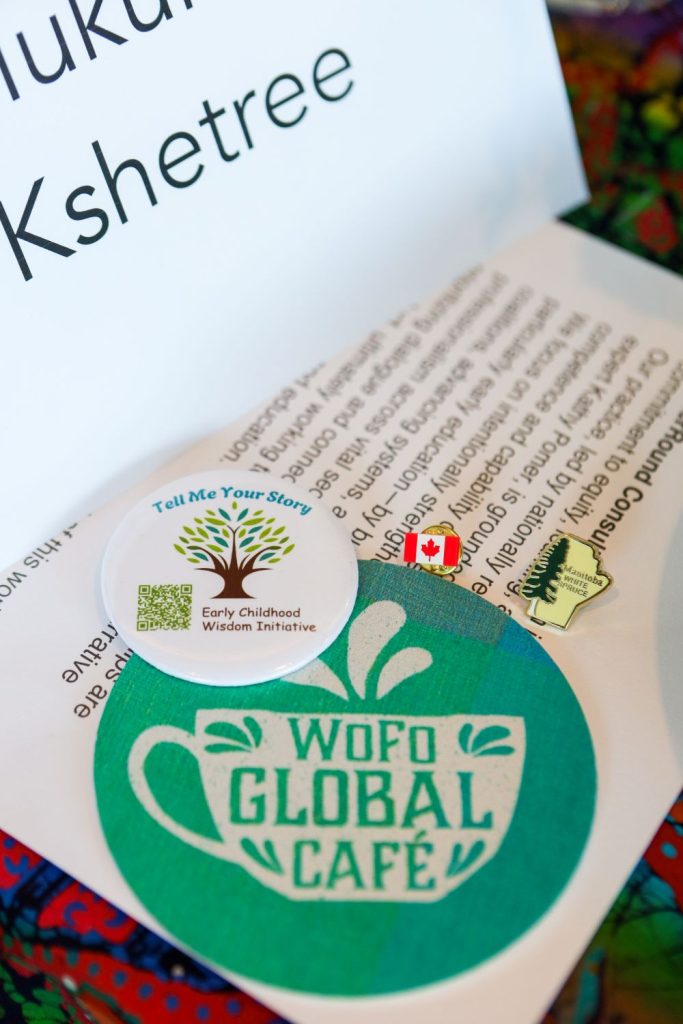
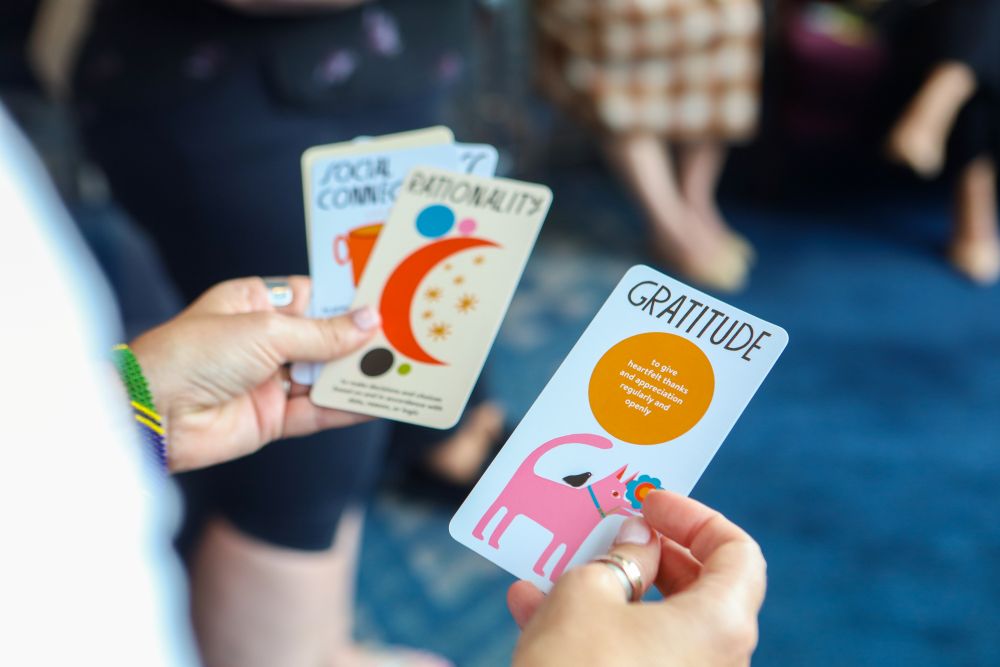
Perhaps one of the most meaningful innovations this year was the WoFo Global Café.
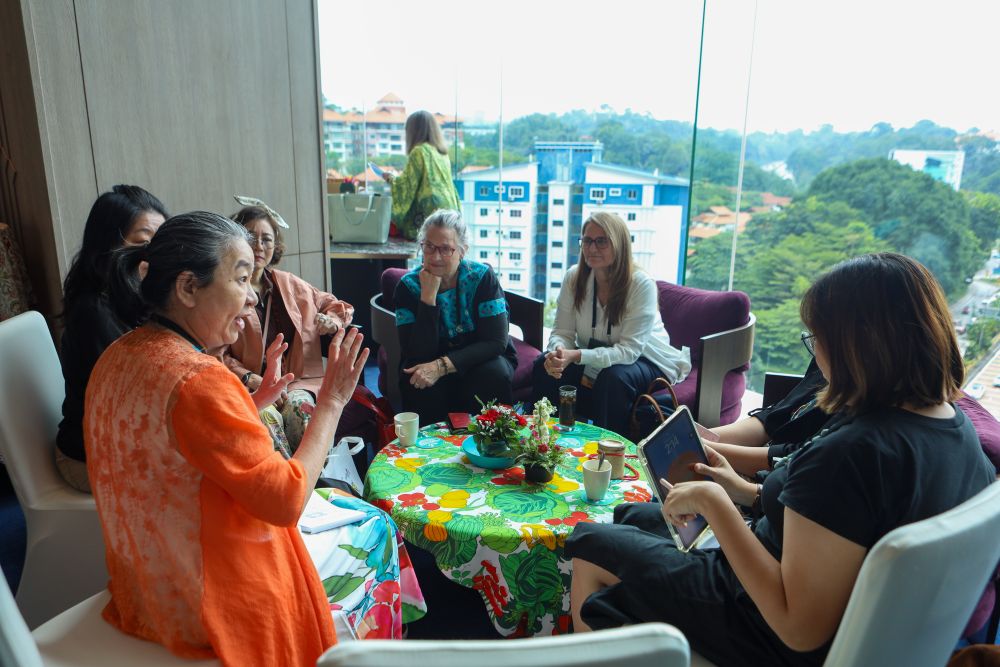
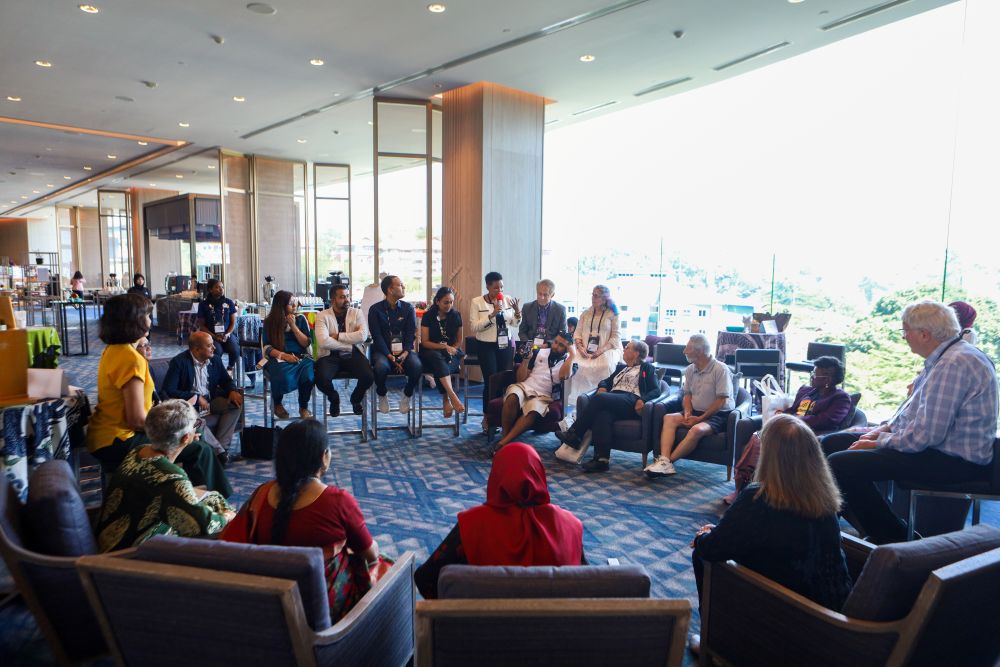
It was a simple yet powerful concept. Delegates gathered around coffee tables to speak freely without hierarchy or formality.
They discussed policies, challenges, cultural contexts, and possibilities. They debated, questioned, and reflected. They shared stories that do not often make it into formal presentations; real, unfiltered experiences of working with children.
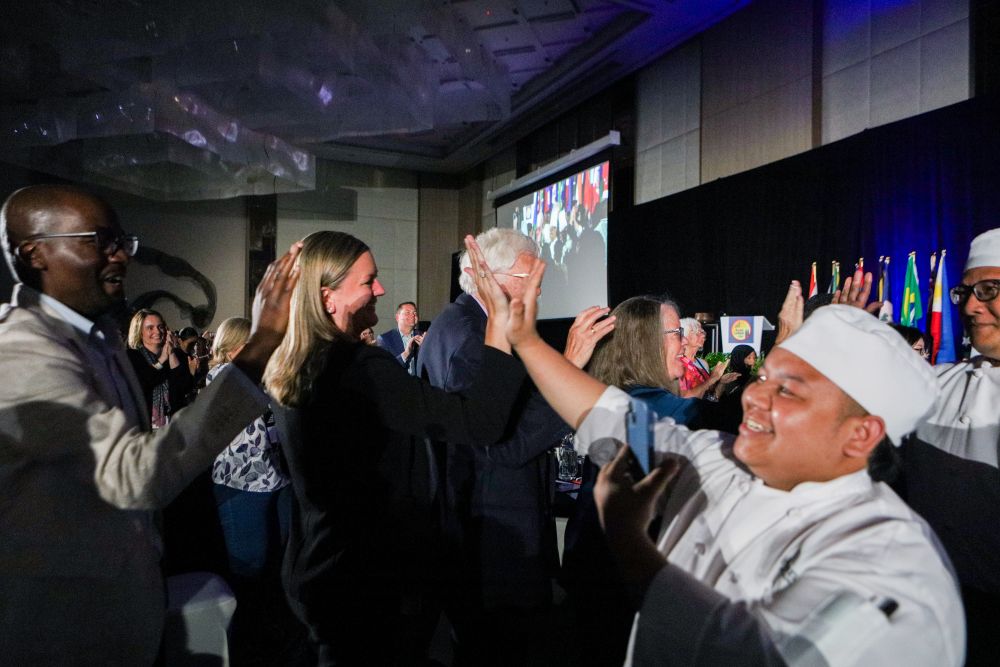
It was here that the Forum’s essence became most visible. Strangers became collaborators. Conversations turned into action plans. Perspectives expanded. More importantly, everyone was welcomed with open hands, minds, and hearts.
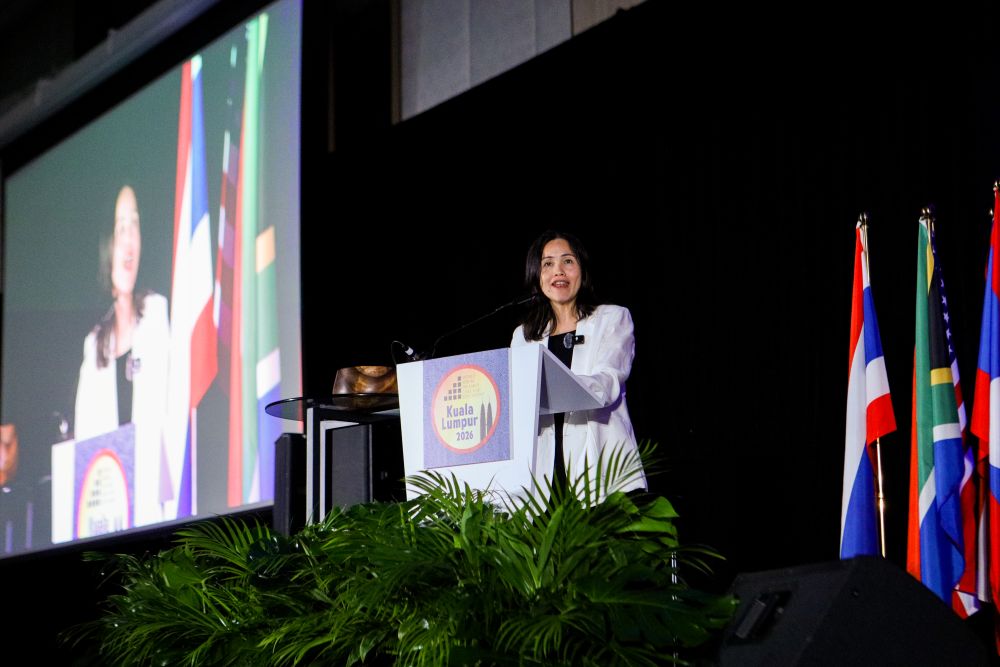
Among the many plenary sessions, the address by Yang Berhormat Teo Nie Ching (Deputy Minister of Communications) stood out for its urgency and relevance.
She highlighted the evolving reality of childhood in a digital world:
“Early childhood is a phase where trajectories are set. What we invest in shapes not only individual outcomes, but the resilience and future of our societies.”
While acknowledging the opportunities digital platforms provide, she cautioned against their risks of overstimulation, reduced attention spans, and exposure to harmful content. Her message was clear: technology must support, not replace, meaningful childhood experiences.
And at its core, she reminded everyone of something simple yet profound: Play must remain real. Rooted in imagination, movement, and human connection.
Beyond the intellectual depth, the Forum was alive with culture and celebration.
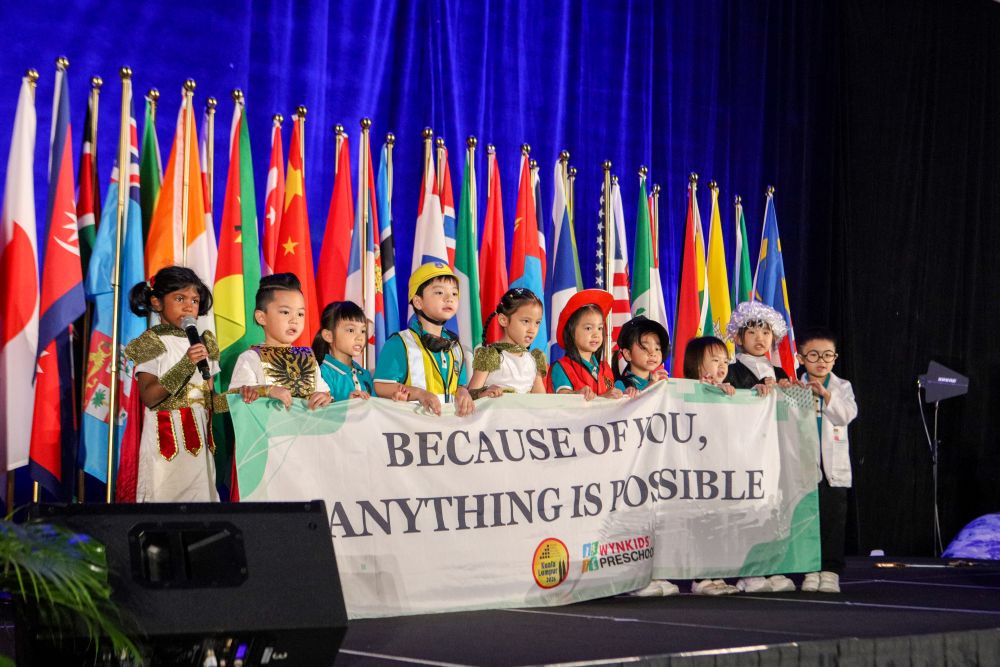
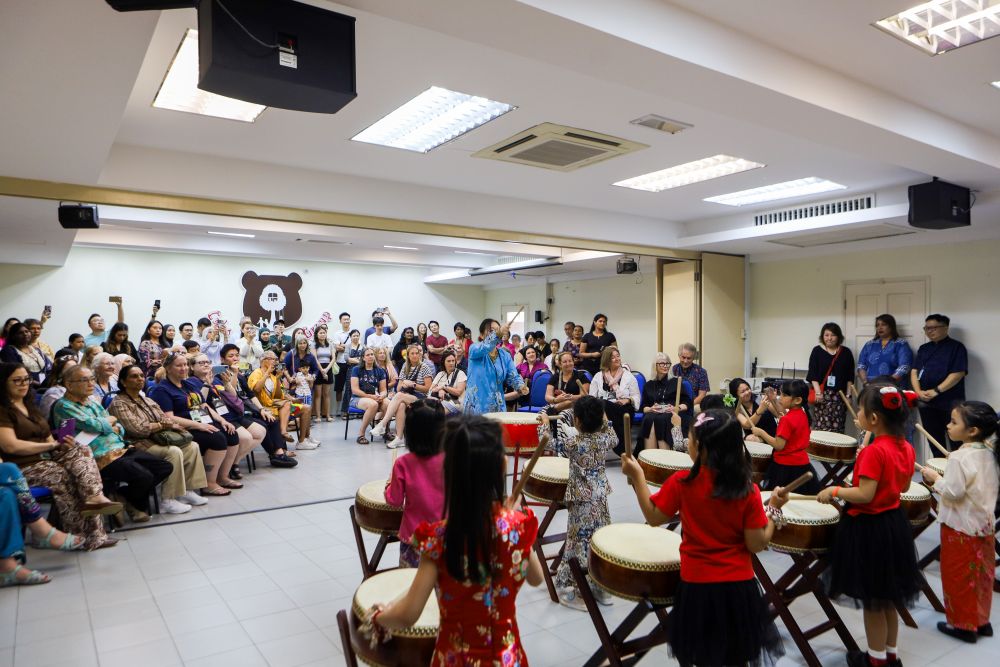
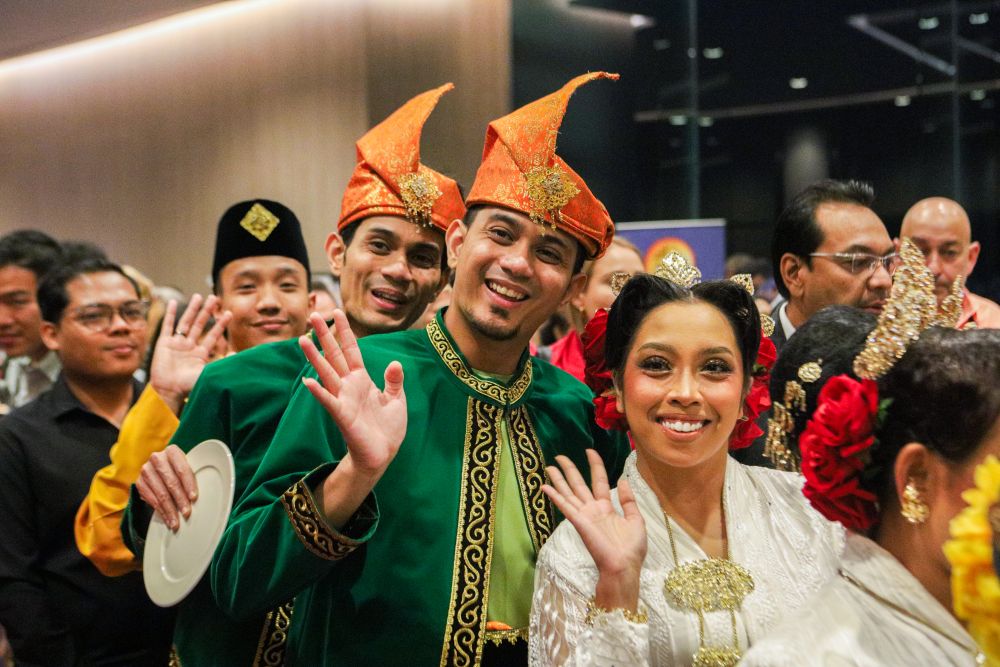
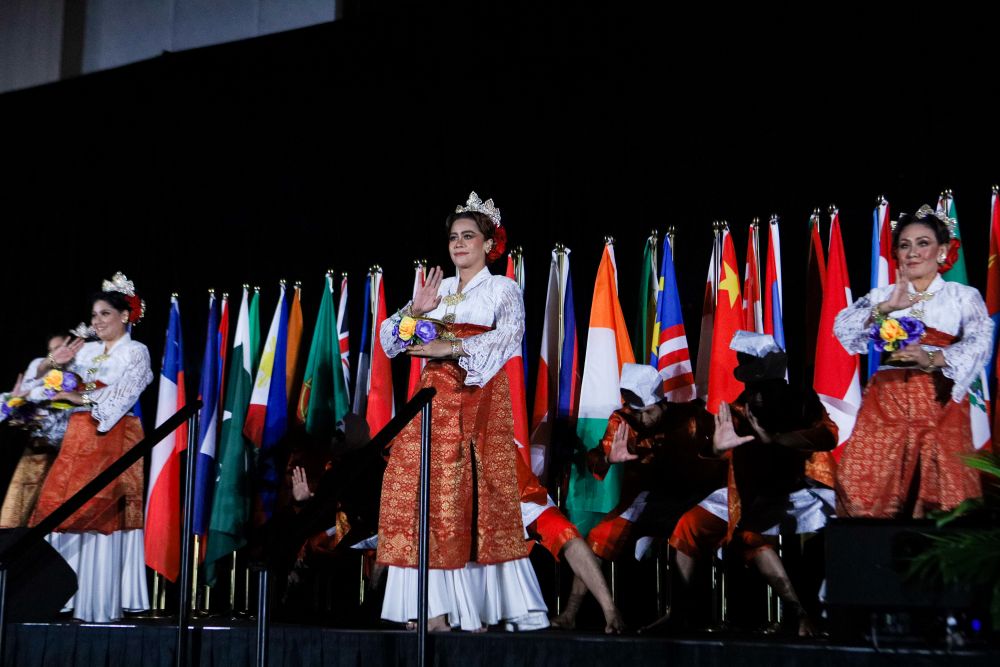
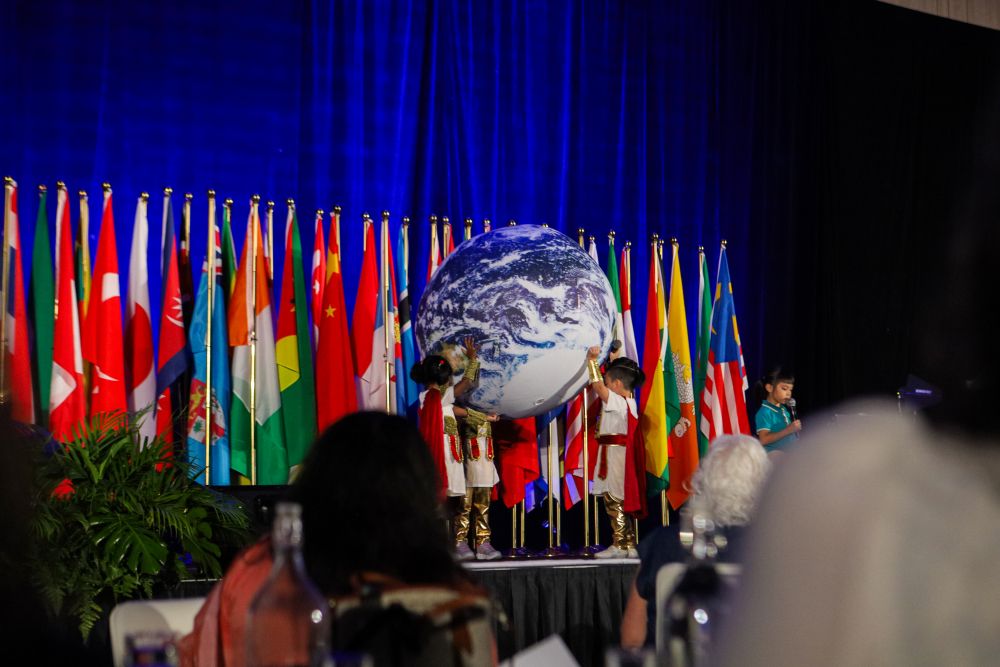
Performances by the Petaling Jaya City Council troupe, children’s dances, and musical showcases brought warmth and vibrancy to the event. A Temuan group from Kuala Langat filled the space with traditional bamboo sounds, while the audience joined in song voices from around the world blending into one.
These performances were reminders that children’s worlds are shaped not only by policies and pedagogy, but by culture, identity, and joy. Even the informal moments, storytelling sessions, movie nights, and international dance became opportunities for connection. Networking here was not transactional; it was deeply human.
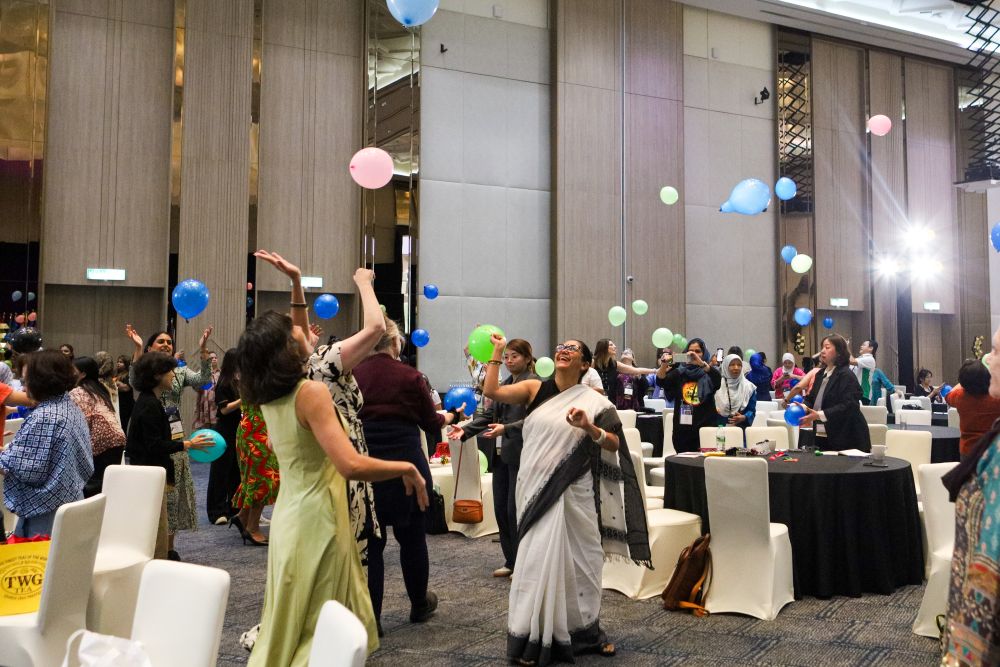
Laughter echoed across spaces. Delegates sang, played, and connected, rediscovering their own child-like joy. These spontaneous moments brought life to the Forum. And they mattered.
As the days unfolded, one truth became increasingly clear: the World Forum is defined by its people.
In the closing reflections, a powerful reminder emerged long after the presentations fade, it is the relationships that remain.
Participants may not remember every detail from every session. But they will remember the people they met. The conversations they had. The laughter, the hugs, the shared moments.
They will remember how someone from another country understood their challenges. And a country will no longer just be a place, but a memory of a friend.
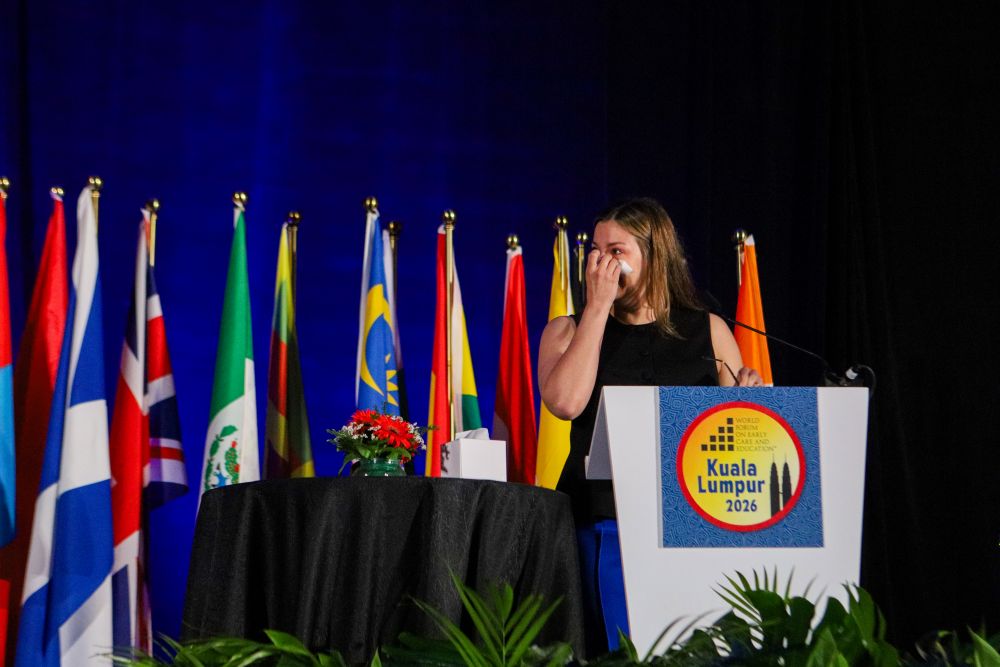
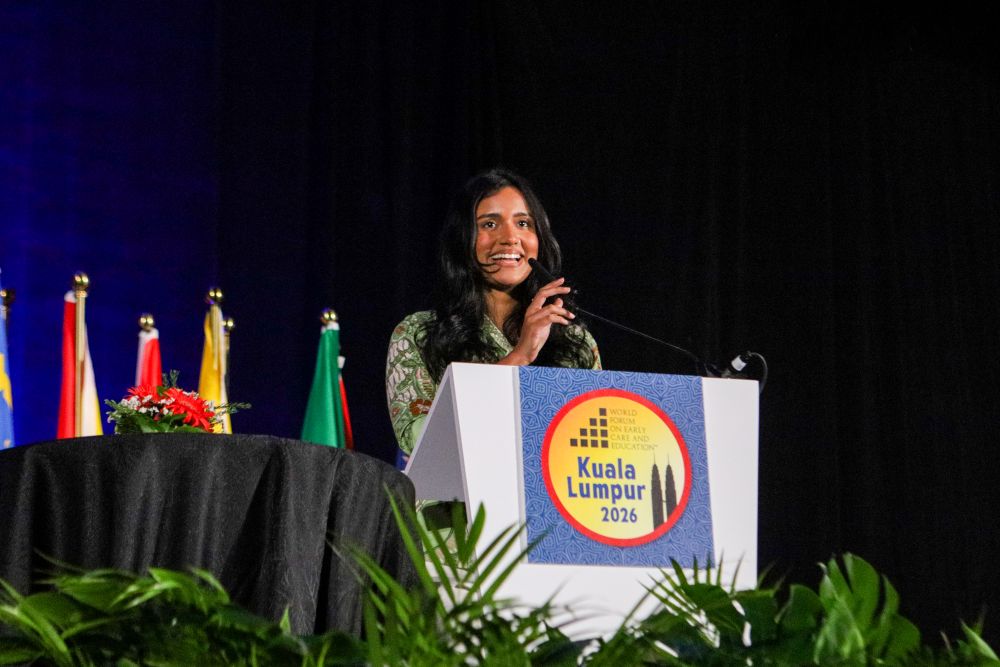
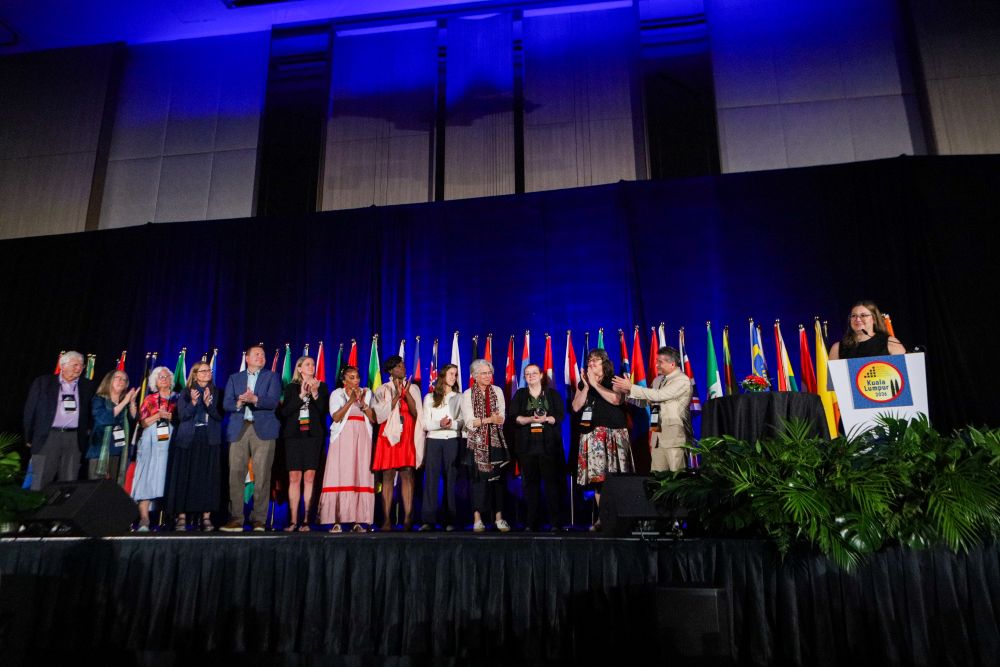
In her closing reflection, Shilpa Lazarus (Community Manager at iTrain Asia) captured the essence of the week:
“What makes this forum so special is the diversity of people, of stories, of challenges, and of ideas. From that comes something invaluable; perspective, scope, and hope.”
She spoke of inclusion as lived experience, and of the responsibility to create spaces where every child feels seen, heard, and valued.
Her own journey, from a child struggling to be heard to speaking confidently on a global stage, served as a powerful reminder: the work we do today shapes the voices of tomorrow.
As delegates departed Kuala Lumpur, they carried more than memories; they carried purpose. The World Forum does not end when the event ends. It continues in classrooms, policies, communities, and daily practice.
For five days, the world felt kinder, more connected, more hopeful. And perhaps that is its greatest legacy.
It reminded everyone that even in a complex world, there exists a global community; compassionate, committed, and unwavering in its mission for children. And in that shared purpose, the world did not just come together.
It moved forward.
Behind the scenes, the success of the World Forum 2026 was made possible by an extraordinary network of partners, sponsors, and contributors. They included Kiddy123, We.Play Playground, The Whytehouse Education Group, GL Play by Gamuda Land, Blooming Tots House, Polaris Preschool, Raihan The Garden School, Cubs Education Group, Wynkids Preschool, Sunway International Schools, Dignity for Children Foundation, and many others shaping Malaysia’s early childhood landscape.
A special acknowledgement must also be given to the local host team, supported by the Selangor State Government, Majlis Perwakilan Penduduk Zone 16, and the Association of the Inclusive Outdoor Classroom. Their collective effort reflected the strength of community-driven collaboration in early childhood development, and bringing the World Forum to life on Malaysian soil.
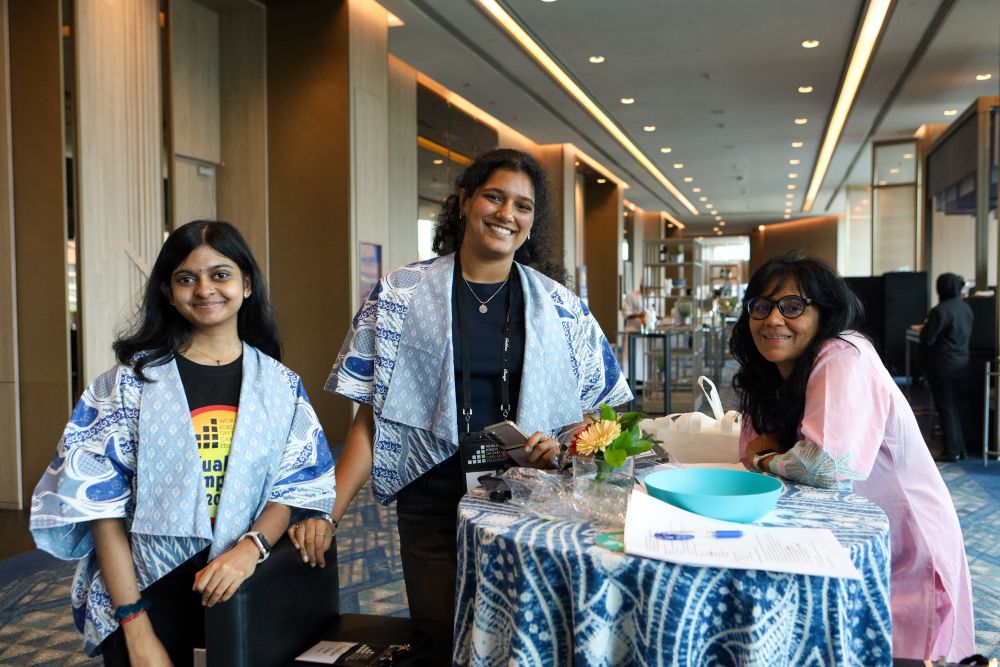
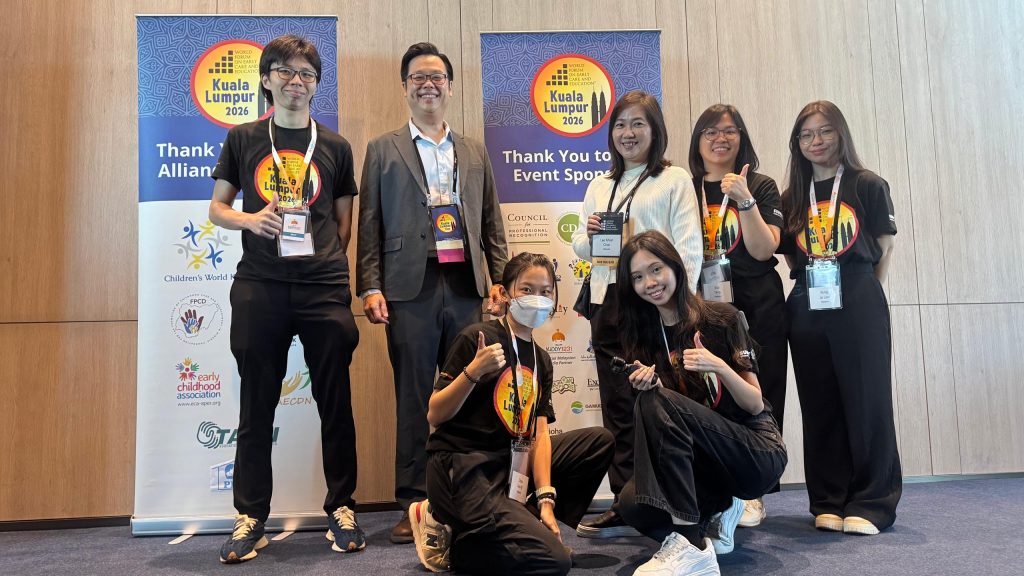
Equally instrumental were the organisers, volunteers, and the dedicated team at Hilton Kuala Lumpur, whose hospitality and commitment ensured a seamless and welcoming experience throughout the week. Not to forget, the good food and refreshing beverages served.
As the official Malaysian media partner, Kiddy123 is proud to have been part of the World Forum on Early Care and Education 2026. We are deeply grateful for the opportunity to amplify its voices, stories, and impact through live coverage throughout the event, alongside social media postings and features on our website, ensuring that its message continues to inspire and resonate far beyond these five days.