When the world gathers in Kuala Lumpur from 14 – 17 April 2026 for the World Forum on Early Care and Education, the conversations will extend far beyond classrooms and curricula. They will centre on children’s rights, dignity, access, and the kind of society we are collectively shaping for the next generation.
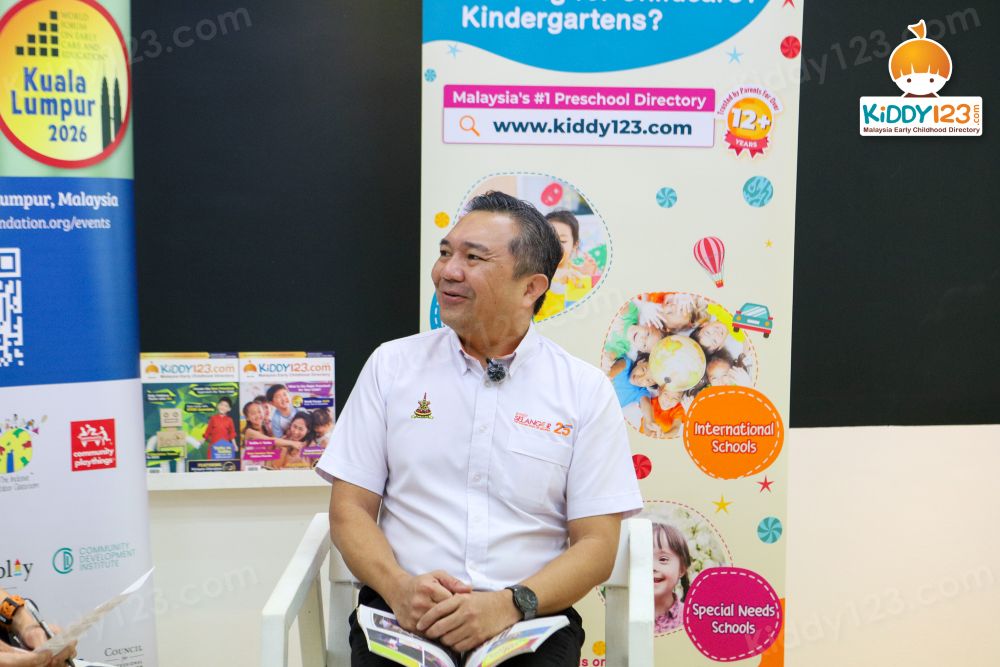
For Yang Berhormat Ng Sze Han, Local Team Host Leader of World Forum 2026 and Selangor State Executive Councillor, this global gathering reflects a belief that has guided his public service journey: children’s rights must begin in early childhood and be protected through sound policy, thoughtful systems, and shared responsibility.
Trained as an engineer before entering public life, YB Ng brings a systems-driven, long-term perspective to governance. As Selangor’s State Executive Councillor for Investment, Trade, and Mobility, and a three-term State Assemblyman for Kinrara, Puchong, he approaches development with a clear principle: sustainable progress begins by strengthening foundations, including those that support young children and families.
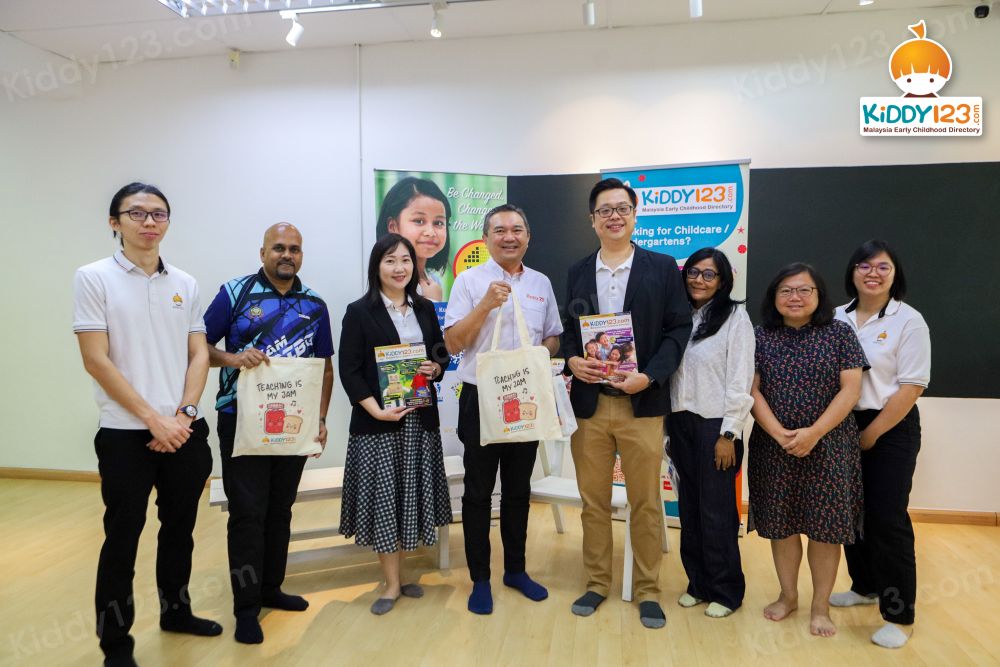
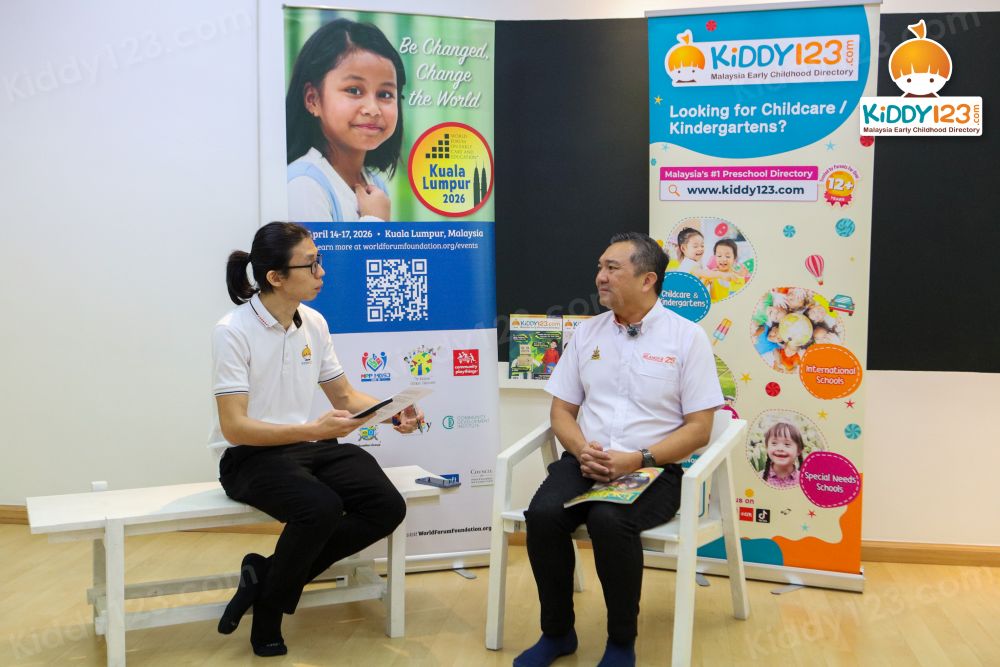
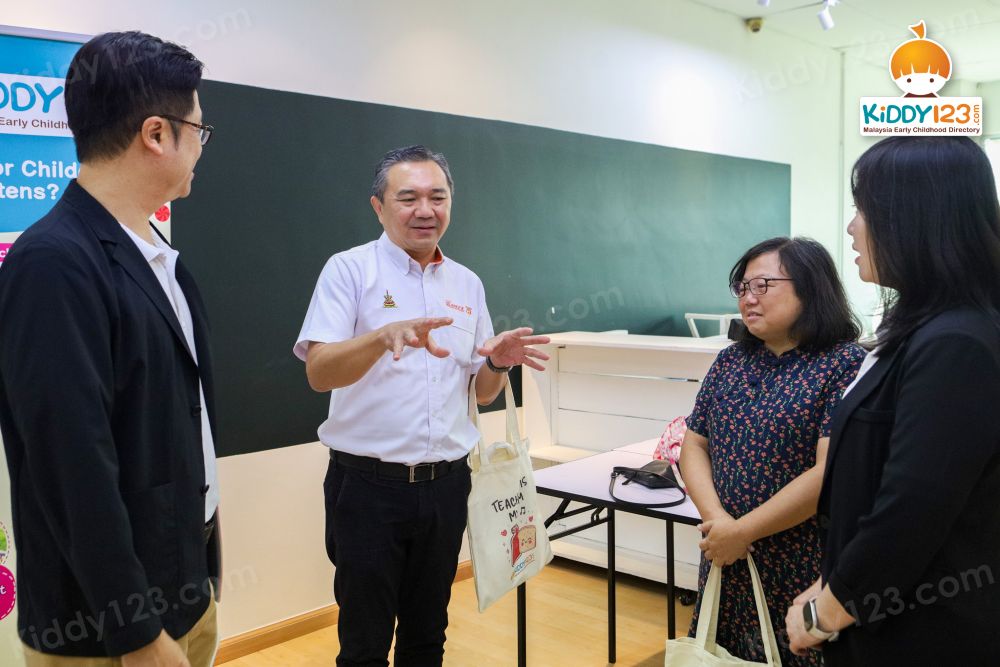
That philosophy shapes his role in hosting the World Forum at Hilton Kuala Lumpur. For YB Ng, hosting the Forum is not merely about convening global experts, but about positioning Malaysia as a nation ready to lead meaningful, action-oriented dialogue on early childhood care and education. Against this backdrop, Kiddy123 sits down with YB Ng to explore the role policymakers and the community help every child grow for the future.
Children’s Rights Start Early, and Policy Matters
From YB Ng’s perspective as a policymaker, children’s rights are not abstract ideals. They are lived realities shaped by access, safety, and opportunity, especially in the early years.
“Children’s rights should begin in early childhood,” he stresses. “As a government, we must ensure that our policies provide protection, reduce inequality, and create a conducive environment for children to grow.”
In Selangor, this philosophy is translated into tangible action. The state provides subsidies to selected childcare centres, particularly in low-income communities, to ensure that early education is not a privilege but a right. The goal is clear: every child deserves access to quality early learning, regardless of background.
Designing Cities That Work for Children
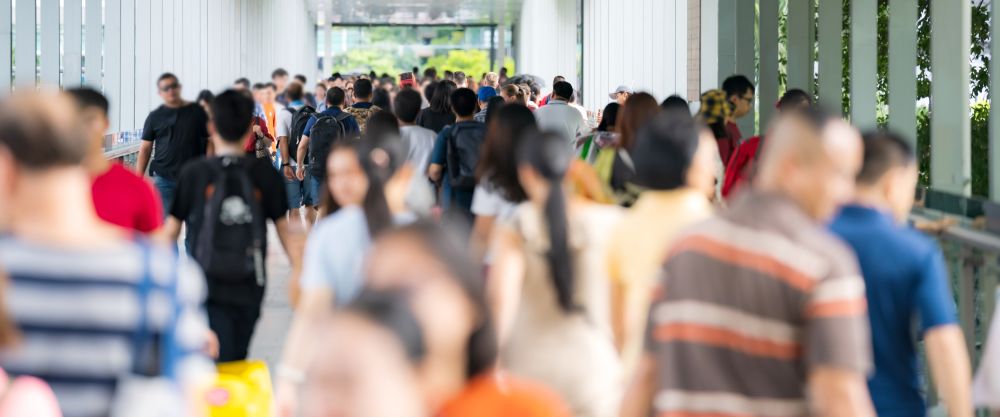
As Malaysia’s most urbanised and densely populated state, Selangor faces the ongoing challenge of balancing rapid development with human-centred planning, especially where children and families are concerned. For YB Ng, growth must never come at the expense of young lives. Instead, cities should be designed to support children’s everyday needs from the very beginning.
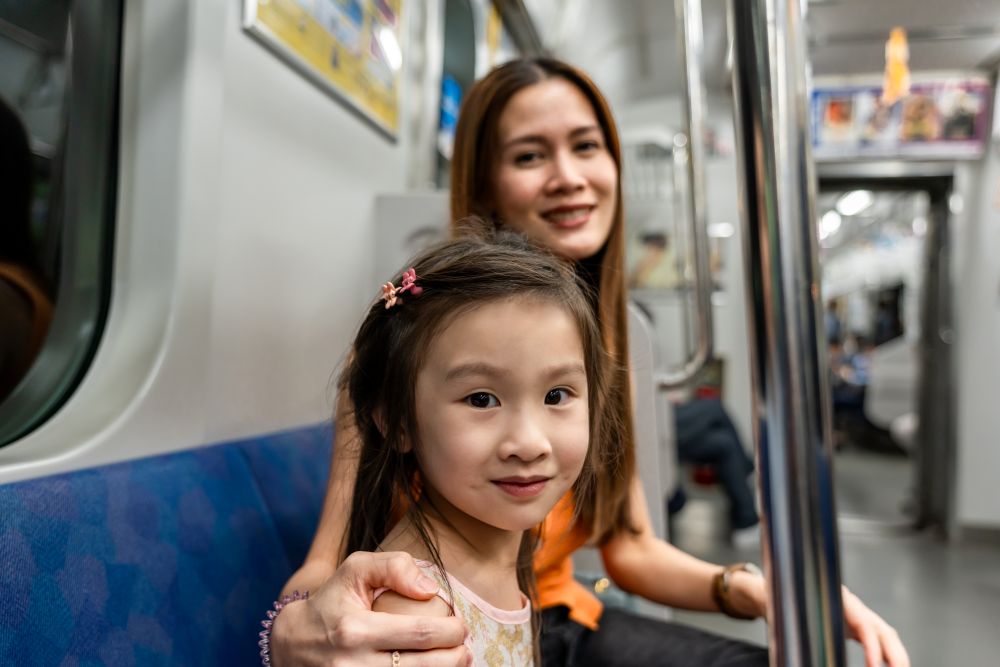
“When we plan our towns and cities, we must take early childhood needs into account,” he explains. This includes ensuring access to safe, well-regulated childcare centres, as well as public transport systems that are accessible and family-friendly for parents and young children. In this sense, children’s rights extend beyond education policies into the very fabric of urban design, including how neighbourhoods are connected, how services are accessed, and how families navigate their daily lives.
These principles come to life through mobility initiatives such as Selangor’s free public transport programmes, which help ensure children can travel safely to schools and childcare centres. Within the communities, buses are consistently filled with school-going children throughout the day, a practical reminder that accessibility matters.
“When families can save on transportation costs, and children can reach their schools safely, that is also children’s rights in action,” YB Ng reflects. In Selangor’s evolving urban landscape, thoughtful planning, mobility, and infrastructure become quiet yet powerful enablers helping families access early childhood services affordably, safely, and with dignity.
Economic Growth as a Foundation for Childhood Well-Being
As Selangor’s State Executive Councillor for Investment, Trade, and Mobility, YB Ng draws a clear and deliberate connection between economic policy and children’s rights. For him, a strong economy is not an abstract metric, but a foundation that directly shapes family wellbeing.
“When the economy grows, families benefit,” he explains. “More job opportunities mean families can earn a decent living and provide a better quality of life for their children.”
In 2025 alone, Selangor recorded the creation of close to 45,000 job opportunities, many of them high-income and high-impact roles. This economic momentum strengthens household stability, reduces inequality, and creates the conditions for children to grow up in more secure, nurturing environments.
“When families improve, childhood improves,” he adds simply, a reminder that behind every policy decision lies a child’s future.
Technology: Opportunity with Responsibility
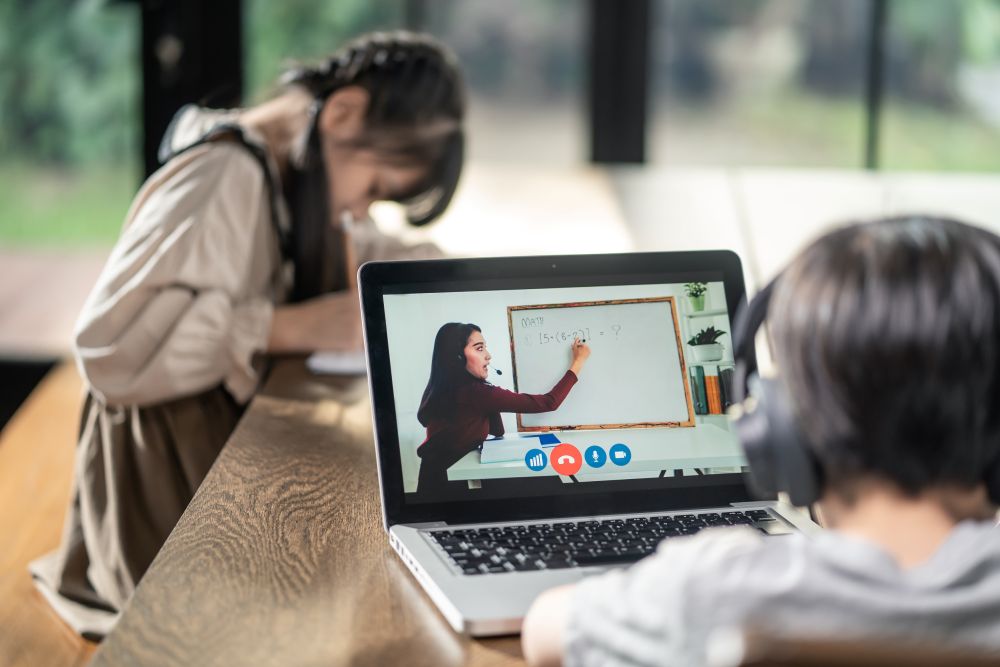
Technology and artificial intelligence are rapidly reshaping how children grow, learn, and engage with the world. These advancements hold real promise when guided with care and responsibility.
“Technology has improved our quality of life,” YB Ng notes, “from access to information to better services and learning opportunities.” In early childhood education, digital tools can support personalised learning, enhance teacher training, and improve communication between schools and families, helping children receive the right support at the right time.
Yet he is equally clear about the need for safeguards. “We must have a certain level of control, especially when it comes to children,” he cautions. He supports recent measures to restrict social media access for users under 16, viewing them as necessary steps to protect young minds from harmful or inappropriate content.
At the same time, he stresses that policy alone cannot keep children safe in a digital world. “This is where educators and parents must play their roles together with the government,” he emphasises. From guiding healthy screen habits to ensuring age-appropriate content, children’s digital wellbeing – like their education – depends on shared responsibility and collective care.
A Shared Responsibility, A Shared Future
YB Ng is clear and hopeful about the future, and he has words of wisdom to share with educators, parents, and policymakers. “Children’s rights are a shared responsibility,” he says. “We cannot leave everything to the government or educators alone. Parents must also play an active role, as it all begins in the family.”
He describes this collaboration as a golden triangle – government, educators, and families – working together to provide children with safety, guidance, and opportunity.
When children grow up supported by strong families, quality education, and thoughtful policy, they grow into compassionate, capable adults. This, YB Ng believes, is the foundation of meaningful human capital development, and it must begin early.
A Global Platform That Changed Local Thinking
YB Ng is no stranger to the World Forum. In 2023, he attended the Forum in Panama City as part of the Selangor State Government delegation, an experience he describes as both proud and transformative.
“We had the opportunity to meet delegations from all over the world and also share Selangor’s own experiences,” he recalls. “It was a meaningful platform where experts could come together to work hand in hand toward children’s rights.”
What made the experience particularly impactful was not just learning from others, but seeing how global ideas could be adapted locally. Since returning from Panama, Selangor has implemented several policies and programmes inspired by what the delegation observed and learned.
“That is why bringing the World Forum to Kuala Lumpur is so important,” YB Ng says. “We want to create that same exchange here, but this time, with Malaysia as the host.”
Why the World Forum Matters, Now More Than Ever
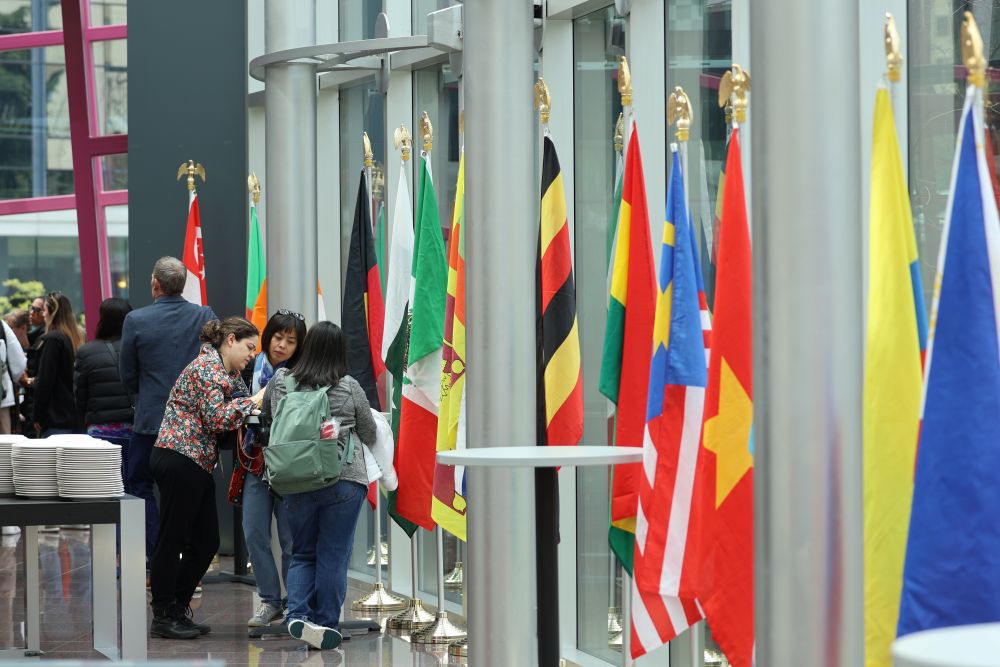
At its core, the World Forum is a one-of-a-kind international conference, that dwells deep into the future of our world, Children. Organised by the World Forum Foundation, it is a global community experience grounded in listening, cultural exchange, and shared leadership.
As Malaysia prepares to welcome the world in April 2026, the World Forum on Early Care and Education goes beyond being a milestone event; it is an invitation to educators, parents, NGOs, policymakers, students, and advocates to listen, learn, and act together for children.
YB Ng encourages all who care about early childhood and children’s rights to take part and contribute to this global conversation. Because when the world gathers in Kuala Lumpur, it will not only exchange ideas, it will affirm a shared belief:
Every child deserves a safe, dignified, and joyful start in life.
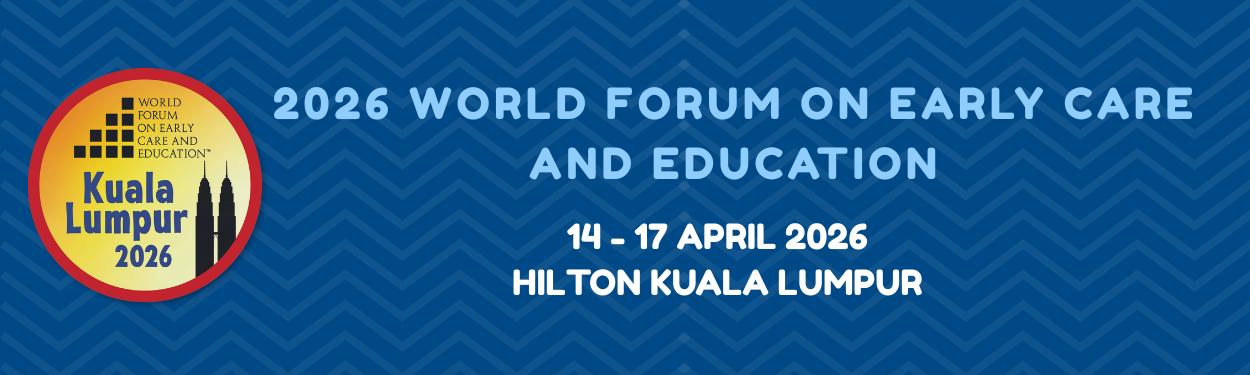
Mark your calendars for 14 – 17 April 2026 at Hilton Kuala Lumpur. Join the World Forum on Early Care and Education, and be part of a global movement that begins with children and grows into a better future for all.