














A City for Children: Petaling Jaya Championing Children’s Wellbeing
by Billy Boey . on 11/03/2026 ...

What does a city look like when it is designed with children in mind? Safe streets to walk to school, welcoming parks, and public spaces where young voices are heard. Around the world, cities are increasingly recognising that a truly sustainable future begins with the wellbeing of children. In Selangor, Malaysia, Petaling Jaya has stepped forward with that vision.
Under the leadership of the Petaling Jaya City Council (MBPJ), the city has become a national pioneer in prioritising children’s wellbeing in urban planning and governance. As the first city in the country to be recognised by UNICEF as a Child-Friendly City, Petaling Jaya continues to lead by example.
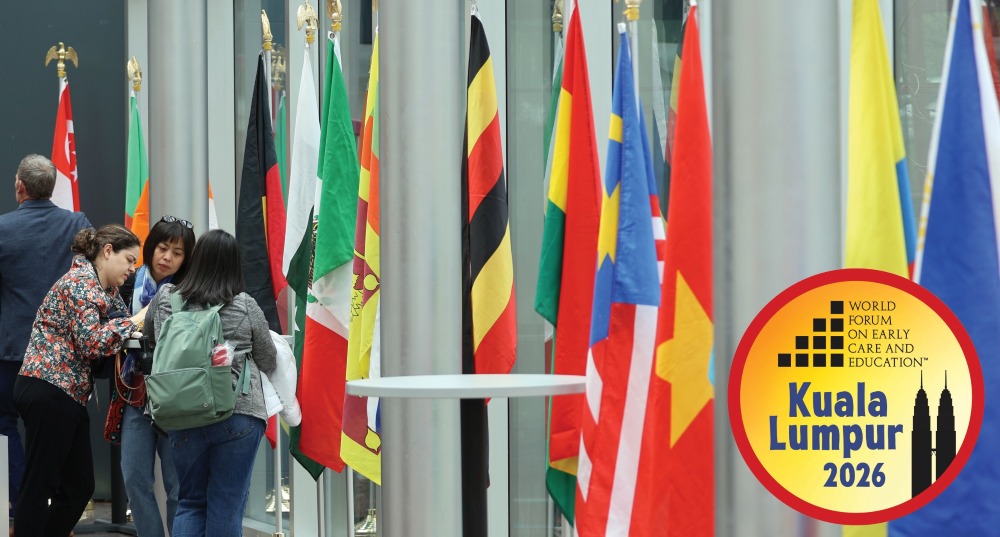
That commitment now extends onto the global stage through MBPJ’s role as a primary sponsor and local host partner of the World Forum on Early Care and Education 2026, which will bring global leaders, educators, and advocates to Kuala Lumpur from 14 – 17 April 2026.
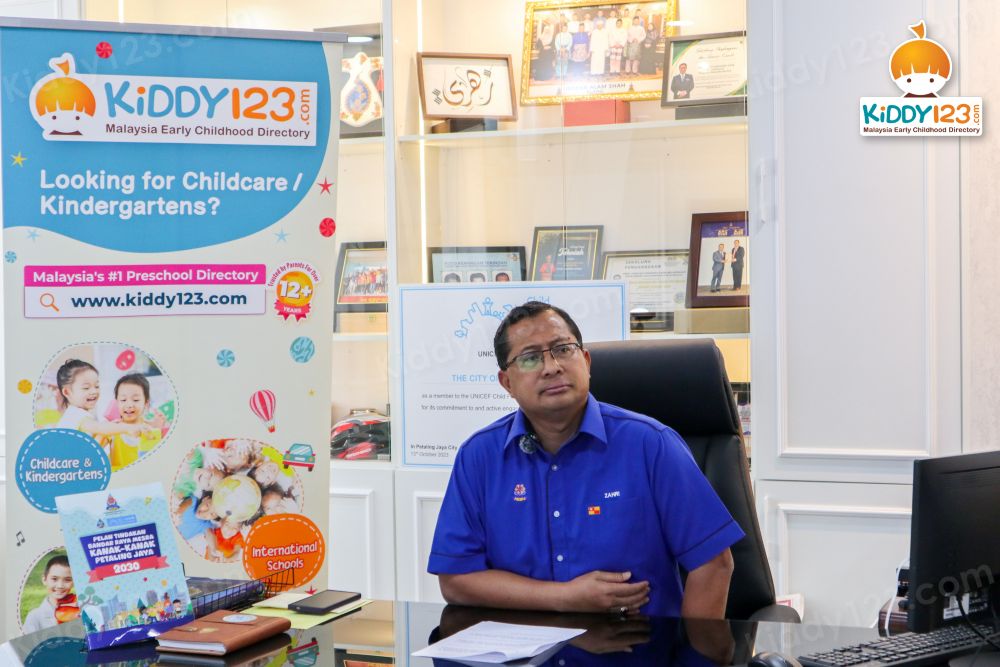
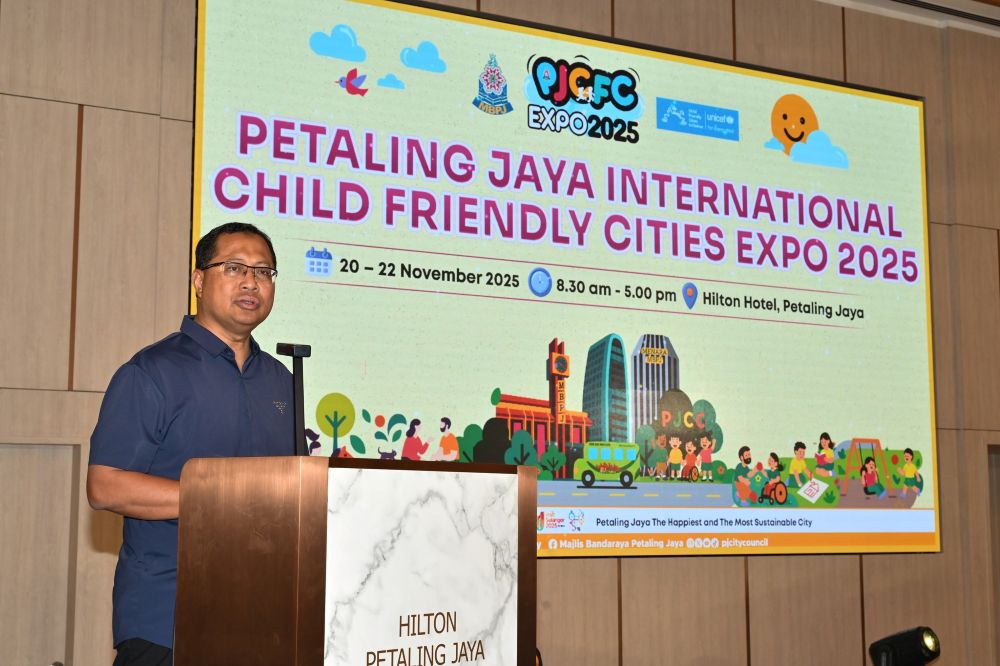
For the Mayor of Petaling Jaya, Dato’ Hj. Mohamad Zahri bin Hj. Samingon (Pictured above), supporting the forum reflects a deeper philosophy about how cities should grow.
“Child development and urban planning are deeply interconnected,” he explains. “As Malaysia’s first UNICEF-recognised Child-Friendly City, we believe in contributing to global conversations that shape better environments for children. Sponsorship reflects leadership and commitment.”
From Satellite Township to Progressive City
Established in 1952 as a satellite township to relieve overcrowding in Kuala Lumpur, Petaling Jaya has grown into one of Selangor’s most vibrant and prosperous urban centres. Today, the city is home to over 800,000 residents and reflects Malaysia’s rich multicultural diversity.
From bustling commercial districts and thriving educational institutions to well-loved neighbourhood parks, Petaling Jaya is widely known as a “fully contained city” where residents can live, work, study, and play without leaving its borders.
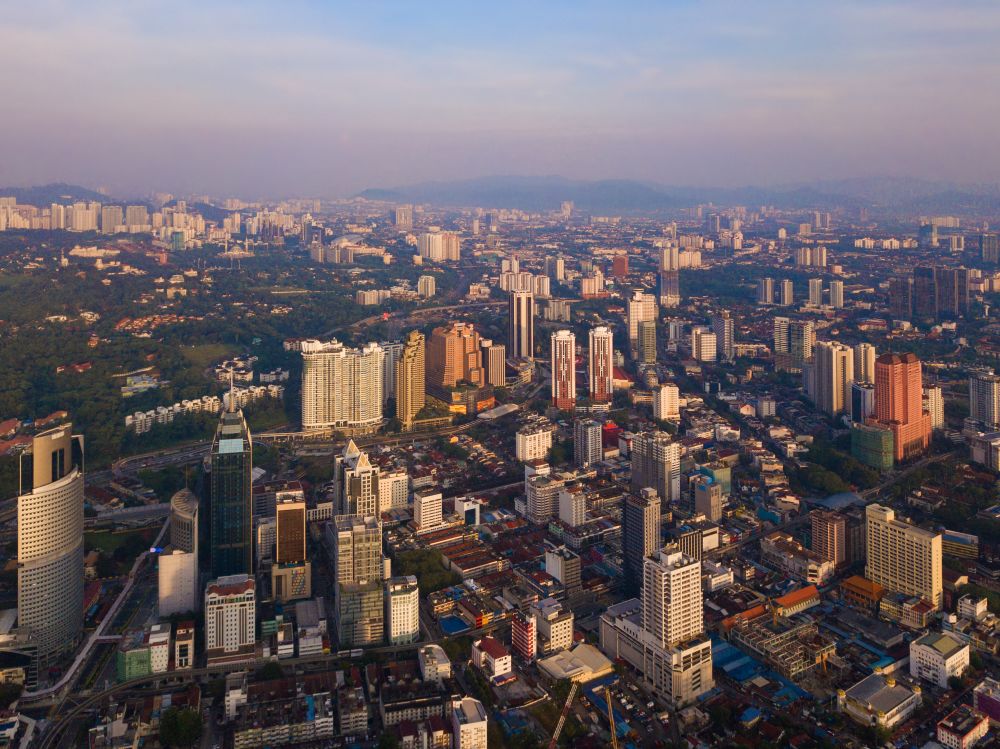
Yet beyond economic growth and convenience, the city has taken a decisive step toward something deeper: embedding children’s rights into urban governance.
In October 2023, Petaling Jaya achieved a historic milestone when it became the first city in Malaysia to be officially recognised under the UNICEF Child-Friendly Cities Initiative (CFCI).
“Recognition by UNICEF reflects measurable commitments,” he says. “It means we integrate children’s rights into urban planning, governance, budgeting, and service delivery. It holds us accountable to international standards and continuous improvement.”

Designing a Truly Child-Friendly City
For Petaling Jaya, creating a child-friendly city goes far beyond building playgrounds. It requires a holistic commitment to safety, participation, wellbeing, and opportunity.
“A child-friendly city is defined by safety, accessibility, participation, protection, and opportunity,” Mayor Zahri explains. “It is about reducing bullying, promoting mental wellbeing, ensuring inclusive education, and fostering community belonging.”
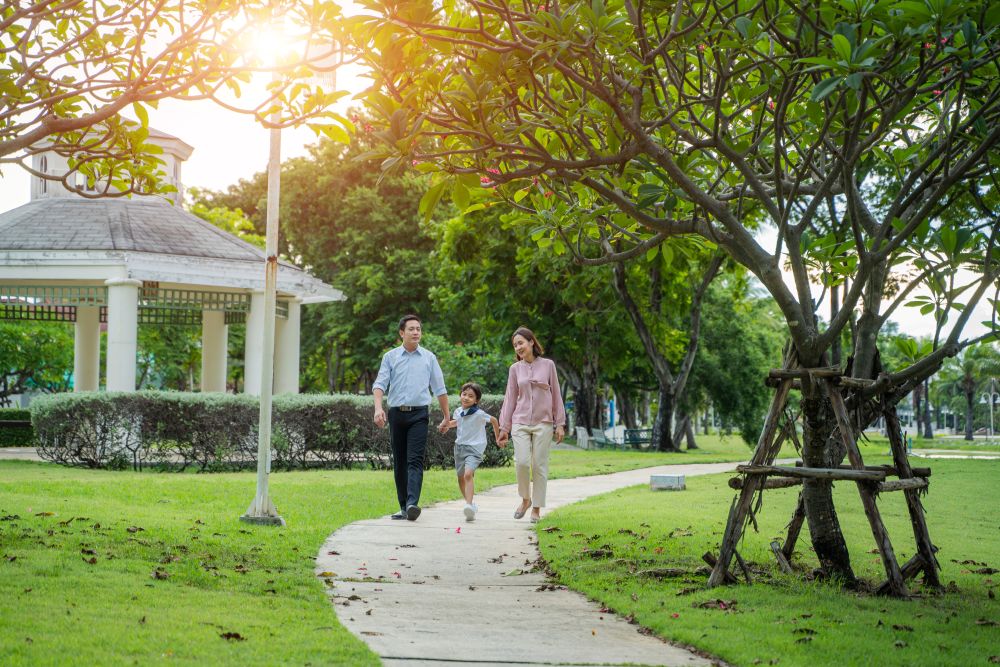
Infrastructure certainly plays an important role such as inclusive playgrounds, safe pedestrian pathways, and child-friendly public spaces. But equally important are policies that safeguard children’s rights and encourage meaningful community engagement.

In Petaling Jaya, these principles have shaped a wide range of initiatives, including inclusive public spaces designed with children’s input, policies that embed child protection and participation in governance, community programmes that promote wellbeing, and partnerships with the private sector to create family-friendly environments.
Together, these efforts reflect a broader understanding that a city’s success should be measured by how well it nurtures it’s youngest citizens alongside economic growth.
Giving Children a Seat at the Table
One of Petaling Jaya’s most distinctive initiatives is the establishment of the Petaling Jaya Child Council (PJCC).
Created to ensure young voices are heard in city decision-making, the council brings together children and adolescents aged roughly 9 to 17 from diverse backgrounds across the community.
Rather than treating children as passive recipients of policy, the city views them as active contributors to shaping their environment. “The Petaling Jaya Child Council ensures that children are contributors to policy-making in the city,” says the mayor. “It gives young residents a platform to express concerns, propose ideas, and participate in shaping the city they grow up in. This is participatory democracy in action.”
Members of the council engage directly with planners, policymakers, and community leaders, sharing insights on issues ranging from public safety and environmental sustainability to recreational spaces and school environments. Their perspectives often reveal gaps adults might overlook.
“Listening to children leads to more responsive and humane policymaking,” the mayor adds.
Through initiatives like the PJCC, Petaling Jaya is cultivating not only better policies but also the next generation of civic-minded leaders.
Learning from the World
Petaling Jaya’s journey has also been strengthened through international engagement.
In recent years, MBPJ representatives have participated in global gatherings organised by the World Forum Foundation in cities such as Panama City (2023) and Vancouver (2024). These forums bring together leaders and practitioners to exchange ideas on early childhood development, public policy, and inclusive urban planning.
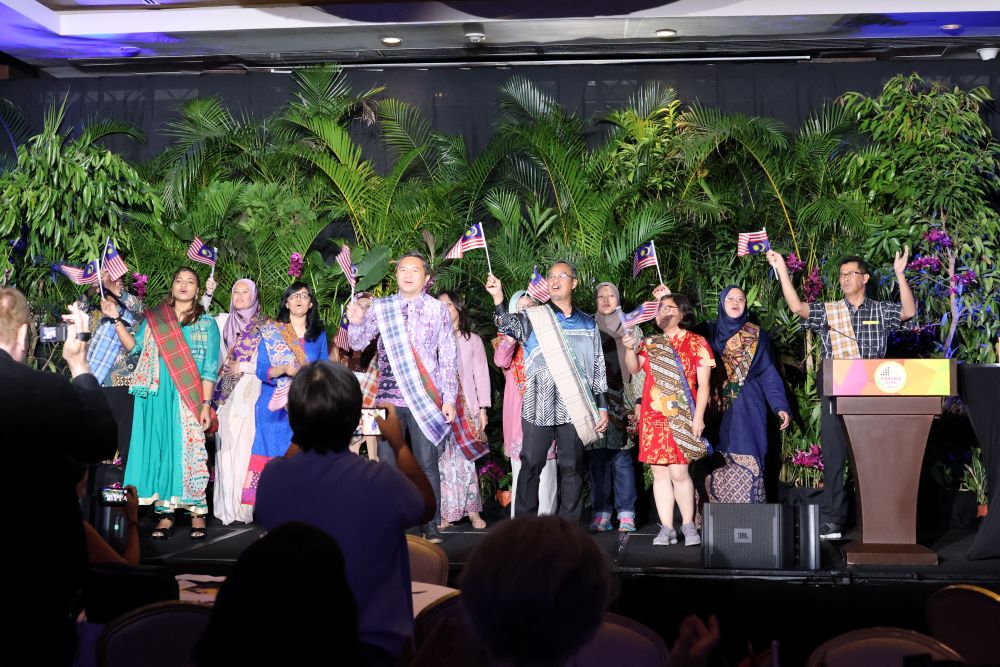
For Mayor Zahri, these engagements help the city benchmark its policies against global standards while learning from the experiences of other cities. “Those international engagements allowed us to benchmark our policies against global standards,” he explains. “We learned about participatory governance, inclusive public space design, and child-centred policy frameworks.”
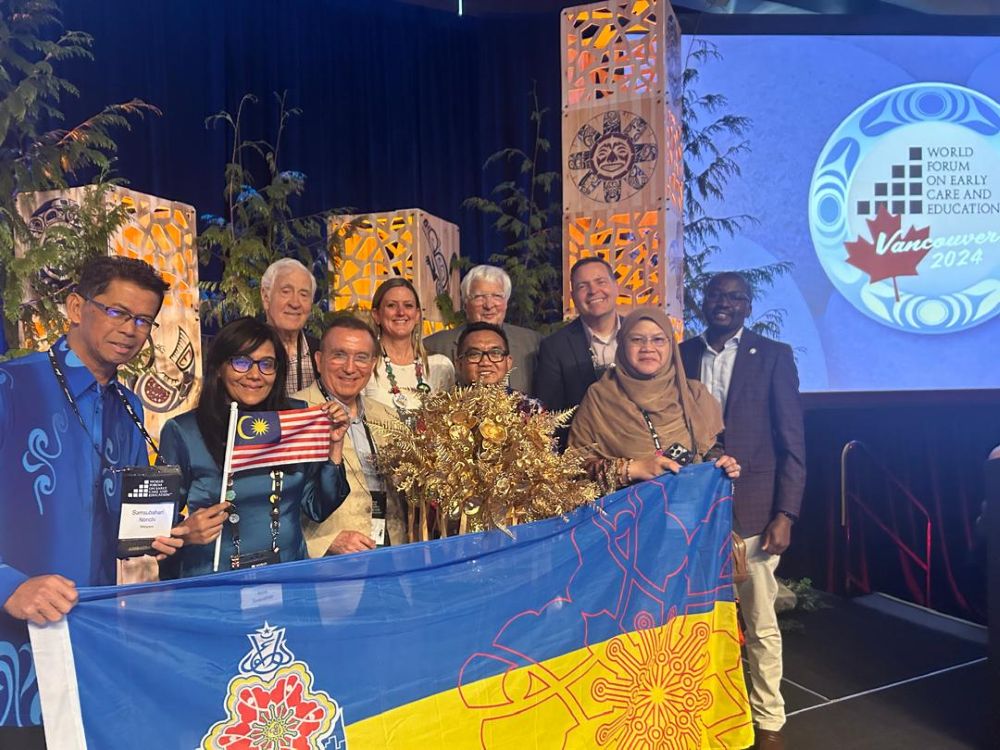
The lessons gained abroad have real impact back home. “When we learn globally, we improve locally,” he says. “Insights from Panama and Vancouver inform our planning guidelines, safety initiatives, and participatory mechanisms. Ultimately, it translates into safer parks, more inclusive programmes, and stronger child engagement platforms here at home.”
Supporting the World Forum and Building a Shared Future
Petaling Jaya’s leadership in child-centred governance strongly aligns with the mission of the World Forum Foundation, the organisation behind the upcoming World Forum on Early Care and Education 2026.
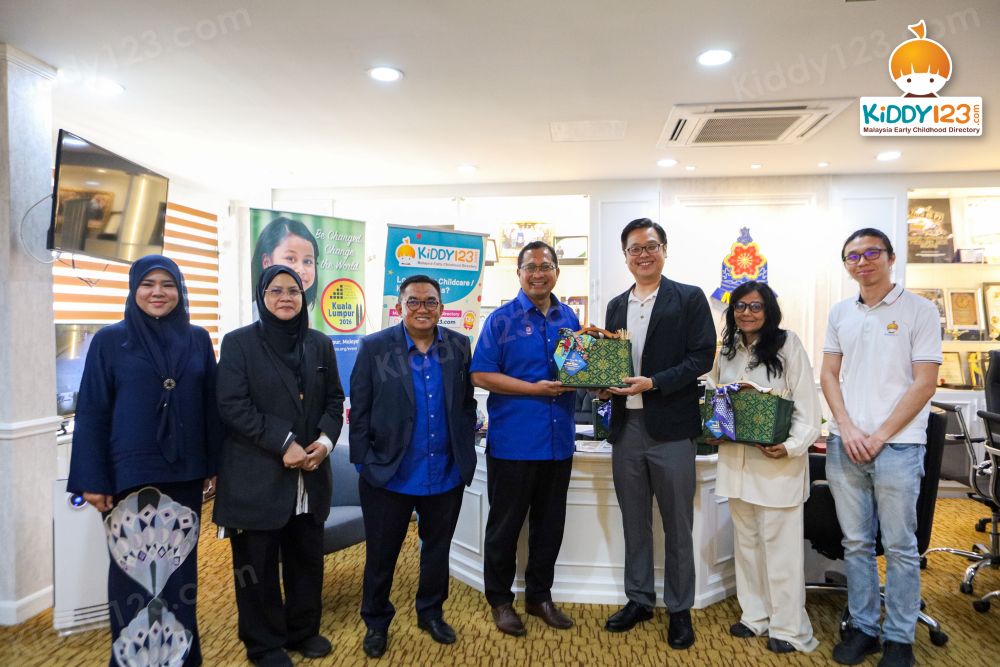
MBPJ, a primary sponsor of the event reflects the city’s commitment in contributing to global conversations about children, education, and community development.
Mayor Zahri explains that child development and urban planning are closely connected. The way cities are designed from safe streets and parks to accessible schools and community services shapes children’s daily experiences and opportunities.
Because of this, Petaling Jaya believes participating in global networks is essential for strengthening local policies. By supporting the World Forum, MBPJ hopes to exchange knowledge with cities around the world while ensuring that Petaling Jaya continues to align with international best practices in child-centred urban governance and actively shape children’s wellbeing.

At the same time, MBPJ’s sponsorship sends a broader message to businesses, developers, and community stakeholders throughout the city: building a child-friendly environment requires collaboration across all sectors.
While city governments can lead the way, creating communities where children thrive depends on the collective efforts of planners, educators, businesses, and residents alike.
“Child-friendly principles must be embedded in all sectors,” says Mayor Zahri. “Developers, architects, and businesses share responsibility in creating inclusive spaces. The city government can lead but collective action sustains impact.”

Looking ahead, he envisions a Petaling Jaya where every child feels safe, heard, and valued.
“My vision is a city where public spaces are inclusive, schools are supportive, and children’s voices are part of governance,” he says. “Because when children thrive, the city thrives.”
Be Part of the Global Movement
As Malaysia prepares to host the World Forum on Early Care and Education 2026 in Kuala Lumpur, Petaling Jaya stands proudly among the key local partners helping make this global gathering possible.
The forum will bring together educators, policymakers, advocates, parents, and community leaders from around the world to exchange ideas, share innovations, and explore solutions that support the wellbeing and development of young children.
If you believe in building a better future for children, this is your moment to be part of something meaningful. Mark your calendars for 14 – 17 April 2026 at Hilton Kuala Lumpur as all of you are invited to the World Forum on Early Care and Education. Come together with global changemakers, learn from inspiring voices, and contribute to shaping environments where every child can thrive.
Because when a city listens to its children, it builds a future that works for everyone.