













The Early Entry Diaspora: Supporting the Aspiration, Questioning the Readiness
by Billy Boey . on 30/01/2026 ...
As a platform grounded in the early years community, Kiddy123 believes:
- Year One at six align Malaysia with global education standards and unlock children’s potential
- Developmental Benefits: Early entry can boost cognitive growth, social skills, and long-term human capital
- Strong alignment between preschool and primary education is essential for smooth transitions
- Private kindergartens play an important role as collaborative partners within the national education ecosystem
- Utilise the KP2026 framework to produce the best outcome for preschool children, getting them ready for Year One
- Parents benefit most from clear communication, practical guidance, and reassurance throughout periods of change
- Early childhood educators are highly skilled professionals whose role is critical in preparing children for formal schooling
Education reform should always begin with one guiding question: What truly serves the child’s long-term well-being?
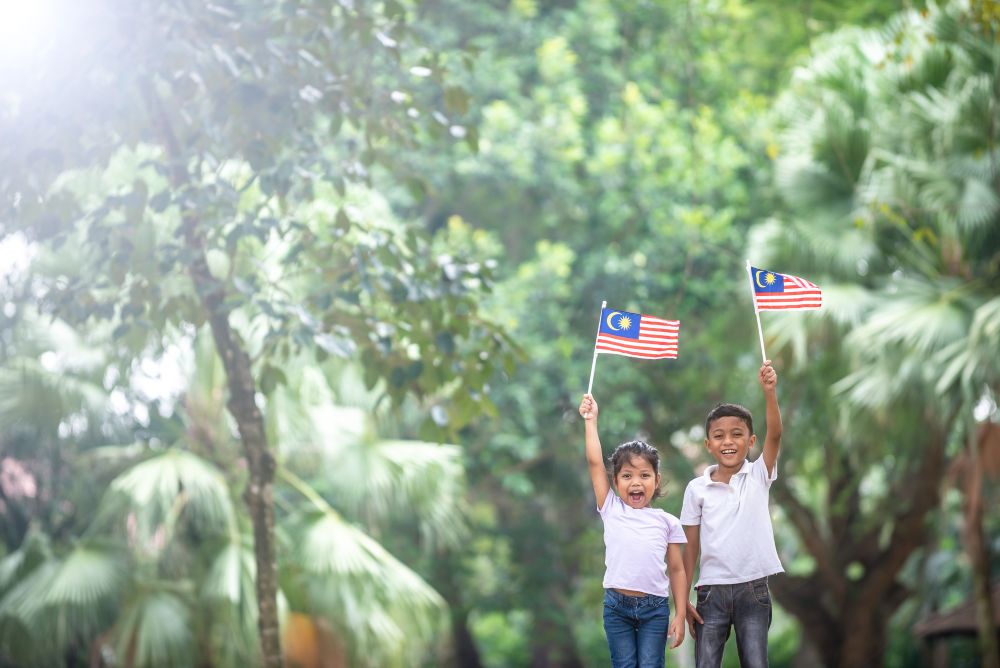
The government’s proposal to allow voluntary Year One entry at age six, beginning in 2027, has sparked wide discussion among parents and educators alike. It is a policy rooted in noble ambition to strengthen learning outcomes, align Malaysia with global education standards, and ensure no child’s potential is delayed unnecessarily.
These are aspirations worth supporting. But as with all changes involving young children, success depends not just on intent, but on readiness, implementation, and safeguards.
Why the Government Is Introducing Early Year One Entry
From the government’s perspective, the move reflects a broader effort to modernise Malaysia’s education system and keep pace with global and regional peers.

Currently, more than 100 countries, including most ASEAN nations such as Singapore, Thailand, Vietnam, Brunei, Laos and the Philippines, that begin formal primary education at age six. The Prime Minister has argued that it is unreasonable to assume Malaysian children are academically unready until age seven, particularly when many already demonstrate basic literacy, numeracy, and learning focus by six.
The policy is designed to be voluntary, not compulsory, with several safeguards:
- Children must have attended preschool at age five
- Parental consent remains central to the decision
- Children who are not ready may still enter Year One at seven
Importantly, the structure of Malaysia’s education system remains unchanged: six years of primary and five years of secondary education. Early entry does not shorten schooling, it simply allows eligible children to start earlier.
Potential Benefits of Early Entry, If Readiness is Respected
Education experts supporting the move highlight several potential advantages. At around six years old, many children begin to show:
- More structured and logical thinking
- Improved attention span
- Stronger language skills
- Greater independence in self-care and social interaction
Early exposure to a formal learning environment may:
- Stimulate cognitive development during a period of high brain adaptability
- Provide earlier access to learning resources, nutrition, and structured support
- Help narrow socio-economic gaps for children from disadvantaged backgrounds
- Enable earlier workforce entry in adulthood, strengthening long-term human capital

From a broader policy lens, this is seen as a long-term national investment, aligned with international research showing that early educational investment yields high social and economic returns.
The government has also stated that capacity concerns will be addressed through:
- Phased classroom expansion
- Additional teachers trained via education degree and diploma programmes
- Ongoing monitoring and learning support for early entrants
Where Readiness and Implementation Become Central
While the intent of the policy is widely understood, early childhood experts caution that age alone cannot define readiness.
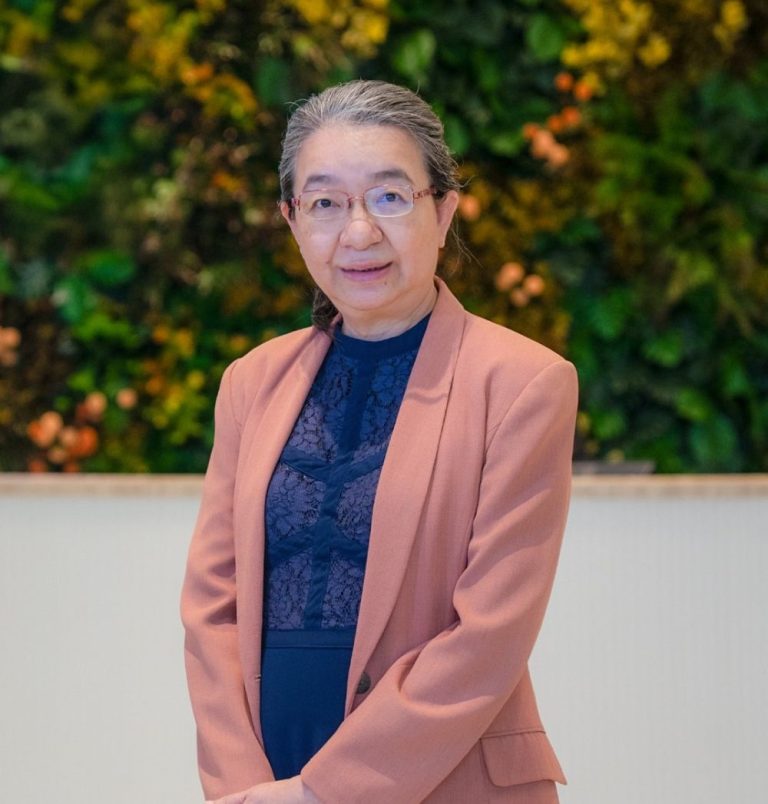
Carolyn Choo, Head of the Department of Education at SEGi Subang Jaya & President of Early Childhood Care & Education (ECCE) Malaysia, reminds us that internationally, early childhood is defined as ages 0 to 8 by organisations such as UNICEF, UNESCO, and the World Health Organization. Six-year-olds are still within a critical developmental window.
“The issue is not age alone. It is alignment, readiness, and respect for childhood.”
She also emphasises an important clarification made by Prime Minister Anwar Ibrahim that entry into Standard One at age six from 2027 is a choice, not a compulsion. This flexibility, if implemented responsibly, recognises that children develop at different paces.
“What we must guard against is turning this flexibility into pressure on children, parents, and teachers,” Carolyn notes. “Five-year-olds do not need more worksheets or earlier academics. They need rich language, play-based exploration, emotional security, and skilled educators who understand child development.”
KP2026: Utilise the Framework to it’s Full Potential
Another important point raised by Carolyn Choo is that Malaysia already has a comprehensive, developmentally appropriate framework in place: Kurikulum Prasekolah 2026 (KP2026).
KP2026 includes continuous, child-centred, professionally administered assessments covering psycho-emotional, cognitive, physical, language, moral, socio-emotional, and creative domains.
“If implemented faithfully, KP2026 accurately identifies readiness to enter Year One at six or seven, without the need for additional centralised testing,” she explains. “A single manual test contradicts the principles of authentic, continuous, non-comparative assessment stated in KP2026.”
For the reform to succeed, she adds, the focus must shift from accelerating children to preparing adults and systems.
“Children do not need to change faster. Adults need to be better prepared. Tadika teachers are not expendable in this transition, they are essential.”
Impact on the Private Early Childhood Education Sector and the Community
The proposed changes are not without concern, as it carry significant implications for Malaysia’s private kindergarten ecosystem, families and careers. Let’s explore further:
Sustainability of Private Kindergartens
For decades, private kindergartens have played a crucial role in Malaysia’s education ecosystem. They have prepared children for formal schooling while nurturing social skills, emotional regulation, physical coordination, language, values, and identity. All these are often done without relying heavily on public infrastructure.
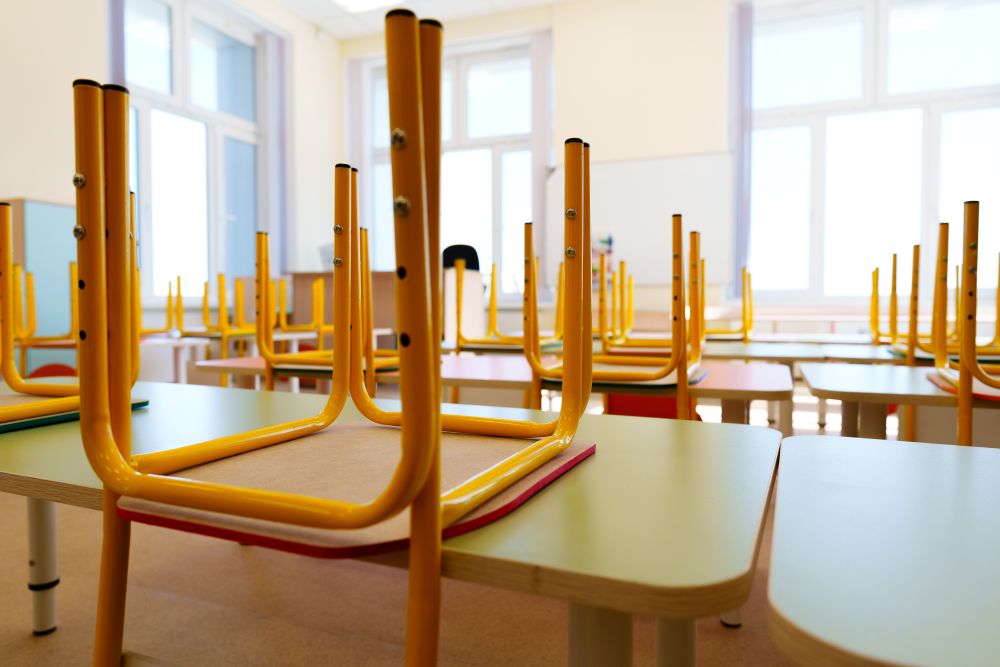
Yet, these institutions operate within tight margins. Enrolment patterns are carefully planned. Staffing decisions are long-term commitments. So, a sudden shift in age entry has immediate implications for sustainability.
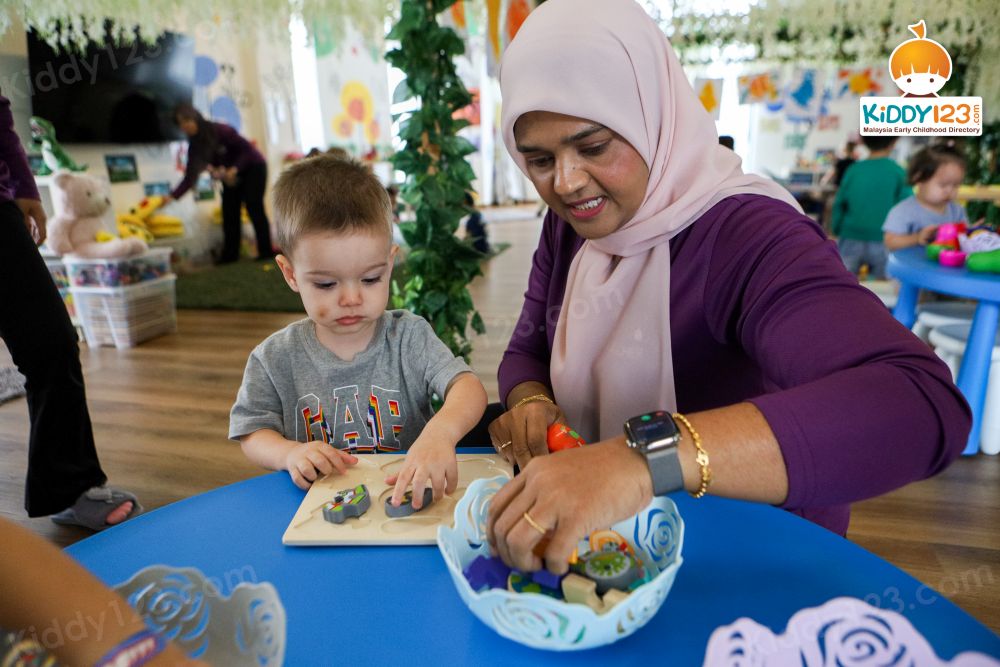
Ms. Faridah Hamzah, founder and principal of Kiddie Cove Playschool & Preschool in Johor Bahru, explains:
“Many centres rely heavily on the final kindergarten year to remain sustainable. If a large number of children transition earlier to Year One, it may lead to reduced enrolment, affect cash flow, and challenge long-term planning.”
We believe that sustainability is not a business issue alone, it is a quality issue. When centres struggle to survive, children inevitably feel the impact.
Teacher Retention: The Risk We Cannot Ignore

Malaysia has more than 8,000 registered private kindergartens, employing tens of thousands of early childhood educators, yet, they are among the most under-recognised professionals in the education system. The majority are women who have spent years honing specialised skills in child development, classroom dynamics, and emotional support.
When enrolment drops, teaching hours shrink. When hours shrink, morale suffers. A drop of morale brings upon instability, and this is when experienced educators opt to leave, for good.

Mr. Tan Chuey Yong, co-founder of MyGenius Education Group, warns:
“Most private kindergartens will not be able to sustain their operation due to significant reduction in fee revenue while operating costs continue to increase. This will result in closures and loss of jobs for many early childhood educators.”

This happened before. After the pandemic, many educators left the sector and never returned, citing uncertainty and lack of career security. Any policy reform that risks accelerating this trend must be carefully reconsidered. We must be aware that teachers are not expendable in transition, they are essential to it. They are skilled professionals whose understanding of child development cannot be replaced by worksheets, crash courses, or rushed academic preparation.
Early Entry, But Children aren’t Ready
Much of the public conversation has understandably focused on academic readiness. Yet early childhood education has always been about more than academics alone. It is a vital period for nurturing emotional regulation, resilience, independence, and essential self-care skills.
At five or six years old, children are still growing rapidly in these areas and development does not follow a fixed timeline. Even today, some children entering Year One at seven continue to need time and support to adjust to writing, reading, numeracy, and daily routines. This is not a reflection of ability or intelligence, but a natural part of individual development.
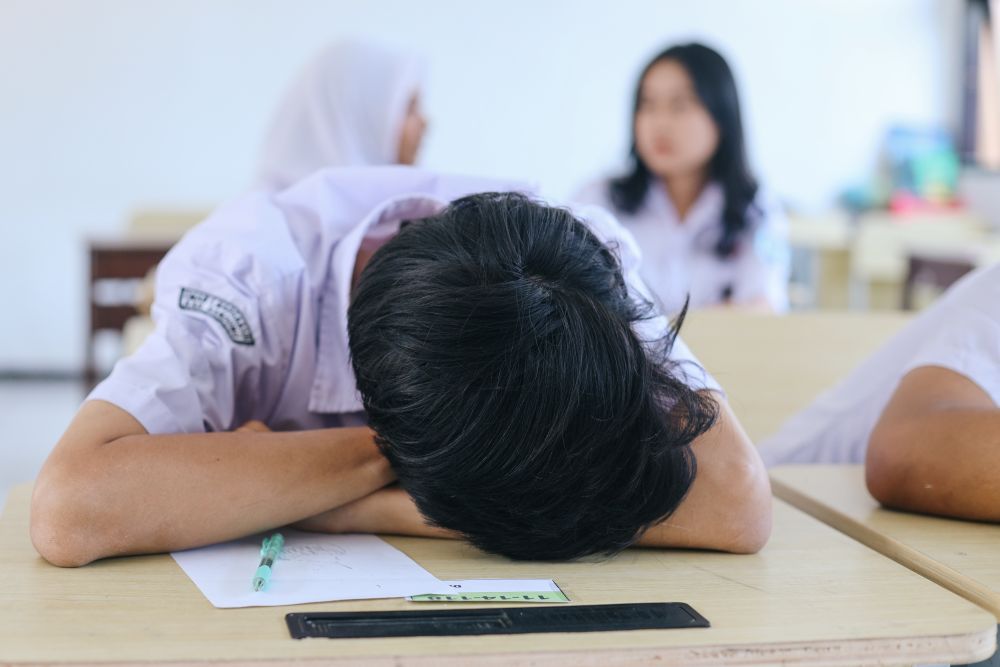
Mr. Tan offers this grounded perspective:
“Some children are still unable to take care of themselves and handle basic hygiene routines. Without sufficient preparation, it puts heavy stress on primary school teachers and huge pressure on children.”
The concern, then, is not whether children can start earlier, but whether schools, teachers, and systems are truly ready to receive them when a large influx of early starters begin Year One.
What Concerned Parents have to Say
Many parents are engaging thoughtfully with the proposed changes and asking important, child-centred questions:
- Will my child be emotionally ready?
- Will learning remain joyful?
- Will my child feel safe, confident, and supported during this transition?
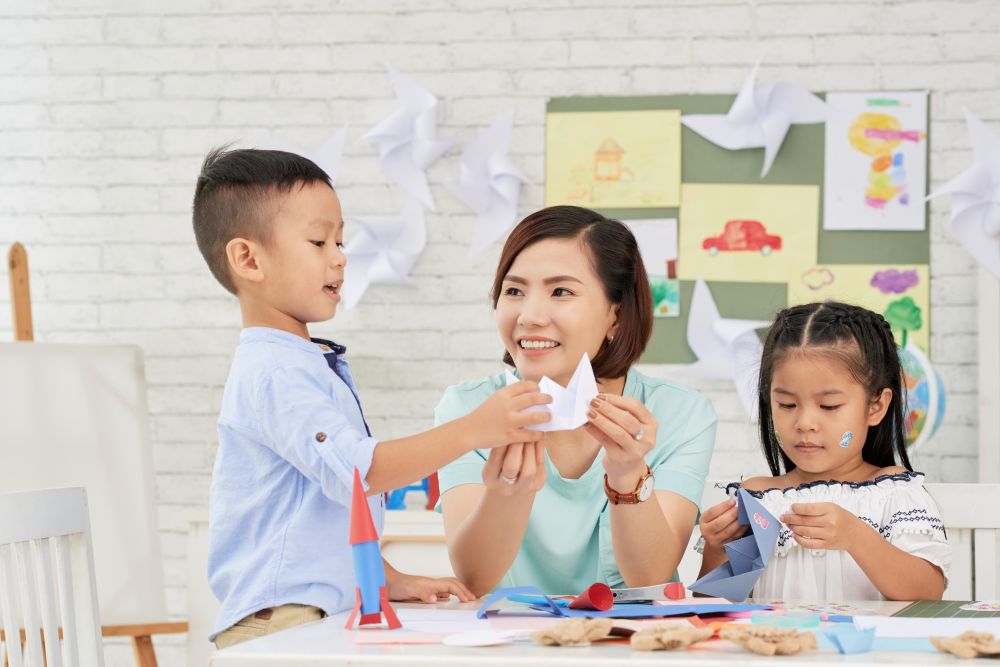
Many parents appreciate that the policy offers choice and flexibility, while also recognising that every child develops at a different pace. What they are seeking most is reassurance that readiness will be assessed holistically, and that their child’s well-being will remain at the centre of any decision.
Ms. Eve Kok, Co-Founder of 2% Preschool in Damansara Jaya, shares:
“Some parents have asked whether their children would be able to cope if they enter primary school earlier, while others hope their children can enjoy more of their preschool years before moving into a more structured environment. Overall, parents want clarity and confidence that their child’s readiness will be carefully considered.”
Similarly, Ms. Faridah highlights the value parents place on a nurturing foundation:
“Kindergarten provides a safe, play-based environment where children build confidence, curiosity, and a love for learning. Parents value this stage as an important preparation that supports children emotionally and socially before they transition into Year One.”
The message we get from parents is not opposition, but hope for thoughtful implementation. They want their children to move forward feeling prepared and supported at the right time, in the right way, so that learning continues to be a positive and empowering experience.
Moving Forward
The introduction of optional Year One entry at age six reflects a genuine effort to strengthen Malaysia’s education system and align with global practices. At the same time, early childhood education reminds us that readiness is multi-dimensional, and system-wide alignment is essential.
Education reform succeeds not when it moves fastest, but when it moves wisely. By balancing aspiration with preparation, and flexibility with safeguards, Malaysia has the opportunity to move forward in a way that strengthens not only academic outcomes, but childhood itself.